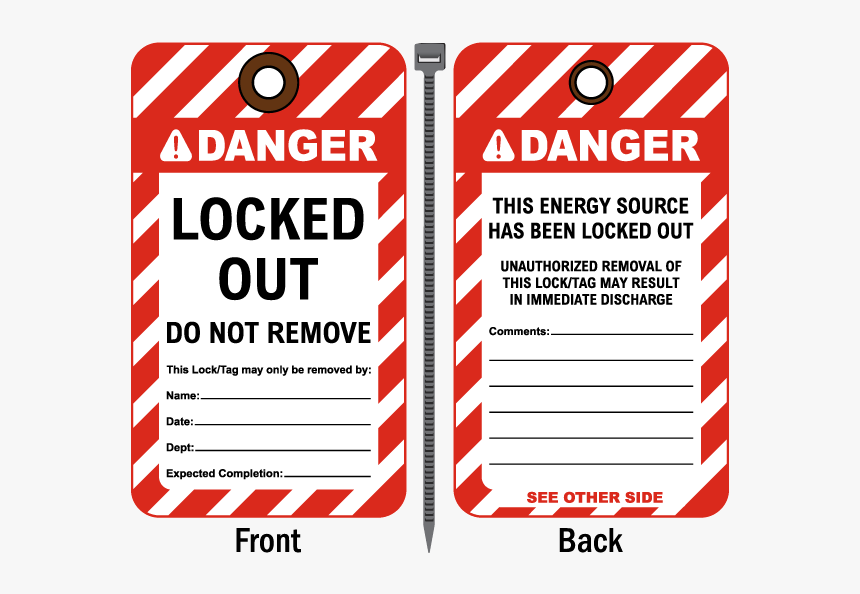
Workers on a manufacturing floor don’t have time to wait days for lockout tagout (LOTO) locks. When machines need maintenance, safety gear must be on-site and ready. That’s why searching for “lockout tagout locks near me” isn’t just about convenience—it’s about immediacy, compliance, and preventing accidents.
But finding the right LOTO lock locally isn’t as simple as typing into Google and picking the first result. You need the correct type, material, and compliance features. And you need it fast—without sacrificing quality.
This guide cuts through the noise. You’ll learn where to source LOTO locks nearby, what to look for in each purchase, and how to avoid common selection mistakes that could jeopardize worker safety.
Why "Near Me" Matters for LOTO Locks
Imagine a technician preparing to service a conveyor system. The maintenance schedule is tight. A delay in finding a padlock for the energy isolation point could mean rushing the job or skipping the lockout entirely. Both are dangerous.
Buying locally reduces lead times, supports urgent replacements, and allows for in-person inspection of product quality. It also enables quick consultation with safety supply experts who understand regional OSHA interpretations and industry-specific risks.
Common urgent scenarios include: - A lost or damaged lock during shift change - Audit findings requiring immediate LOTO program updates - New machinery installations needing customized lockout kits
When safety hinges on a padlock, waiting five business days for shipping isn’t an option. That’s why local availability matters.
Where to Find Lockout Tagout Locks Near You
Finding reliable suppliers within driving distance requires knowing where to look. Here are the most effective local sources:
1. Industrial Safety Supply Stores
These brick-and-mortar shops specialize in PPE, signage, and lockout devices. Employees are often trained in compliance and can help match locks to your specific machinery. Stores like Grainger, Safety First, or local distributors like Industrial Safety Solutions often carry full LOTO lines.
Tip: Walk in with a photo of the energy isolation point—many staff can recommend the right lock type on the spot.
2. Electrical & HVAC Distributors Since many lockout applications involve electrical panels or mechanical systems, HVAC and electrical supply shops often stock LOTO locks. Brands like Ideal, Klein, and Hubbell are common here.
Caution: Not all carry OSHA-compliant locks. Verify the lock meets ANSI/ASSE Z244.1 standards before purchase.
3. Manufacturing & Maintenance Tool Suppliers Local vendors catering to plant maintenance teams routinely carry lockout kits, group lock stations, and individual safety locks. Some offer custom engraving services on-site—a useful feature for accountability.
4. Online Marketplaces with Local Pickup Platforms like Amazon or Zoro now offer “pickup near you” options. While not physical stores, they provide same-day or next-day access through partner warehouses. Filter for “In-Stock” and “Local Delivery” to speed up access.
Reality check: Verify that the lock material (e.g., brass vs. steel) and shackle length match your equipment needs—online photos can be misleading.
Types of Lockout Tagout Locks You’ll Find Locally
Not all LOTO locks are the same. Local suppliers typically stock these key types:

Hasp Locks Used when multiple workers need to lock out a single energy source. A hasp accepts several padlocks, enabling group lockout. Most local suppliers carry steel hasps with 6–12 lock points.
Best for: Maintenance teams working on high-risk equipment like presses or boilers.
Padlocks with Tags Standard safety padlocks with integrated tag holders. Tags are used to document who applied the lock, when, and why. Available in keyed alike, keyed different, or combination styles.
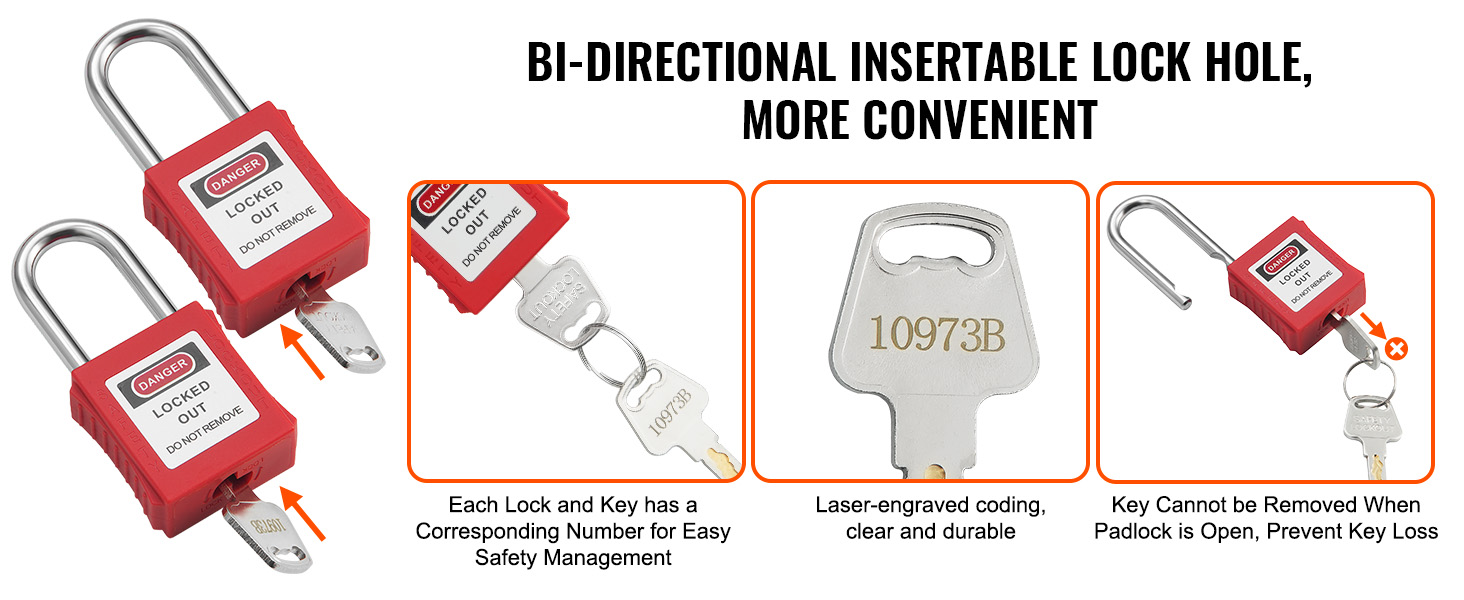
Common mistake: Using regular padlocks instead of safety locks. Real LOTO locks are bright red (or another safety color), non-conductive, and clearly marked “Do Not Remove.”
Electrical Breaker Lockouts Plastic or nylon devices that fit over circuit breakers, preventing accidental re-energization. Often sold as kits. Local electrical suppliers are the best source.
Limitation: One-size-fits-all kits may not match older or custom panels. Bring breaker dimensions if possible.
Valve Lockouts Used on ball valves, gate valves, or pneumatic lines. Typically made of durable polymer. Some feature adjustable straps; others require exact valve sizing.
Pro tip: Local suppliers may loan out sample fittings so you can test compatibility before buying.
What to Check Before Buying LOTO Locks In-Person
Walking into a store without a checklist can lead to buying the wrong lock. Use this on-the-spot verification list:
| Feature | Why It Matters |
|---|---|
| Shackle Length & Diameter | Must fully engage the energy isolation point without forcing |
| Material (Brass, Steel, Nylon) | Brass resists corrosion; steel offers strength; nylon is non-conductive |
| Color & Labeling | Red is standard; must say “Danger” or “Do Not Operate” |
| Key Control | Keyed alike for teams vs. individual keyed different locks |
| OSHA & ANSI Compliance | Look for certification marks on packaging or lock body |
Example: A plant in Houston replaced standard steel locks with brass after repeated corrosion near washdown stations. The local supplier swapped them same-day—because they understood the environment.
Top 5 Places to Buy Lockout Tagout Locks Locally (Real-World Options)
Here are five types of suppliers where you’re likely to find compliant LOTO locks nearby:
- Grainger Store Locations
- - Nationwide presence, in-stock LOTO inventory
- - On-site engraving, OSHA-compliant products
- - Can order online for in-store pickup
- Fastenal Distribution Centers
- - Strong industrial focus
- - Offers lockout audits and site visits
- - Sells individual locks and full kits
- Local Safety Equipment Dealers
- - Independent shops like “SafetyPro Solutions” or “SecureSite”
- - Often provide training and compliance checkups
- - May offer rental lock sets for temporary needs
- Electrical Supply Houses
- - E.g., Rexel, CED, or independent electric suppliers
- - Stock breaker locks and electrical-specific devices
- - Technicians often on staff to advise
- Home Depot Pro Desk (Select Locations)
- - Limited selection, but some stores carry basic LOTO locks
- - Best for emergency replacements
- - Verify compliance before purchase
Workaround tip: If your city lacks physical stores, use the “store availability” feature on vendor websites. Many allow phone orders with same-day pickup.
Common Mistakes When Buying LOTO Locks Nearby
Quick access shouldn’t mean careless decisions. Avoid these pitfalls:
- Assuming All Red Locks Are LOTO Compliant
- Some novelty or hardware store locks are red but lack safety labeling or non-conductive materials.
- Ignoring Shackle Clearance
- A 1" shackle might not fit around a large valve stem. Measure before you buy.
- Buying Without Tag Compatibility
- Tags must attach securely. Some locks have integrated tag holders; others require zip ties.
- Overlooking Key Management
- Keyed alike locks are convenient but reduce individual accountability. Balance ease with safety.
- Skipping Employee Input
- The technician using the lock knows the pain points. Involve them in the selection.
How to Verify a LOTO Lock Is OSHA-Compliant
OSHA 1910.147 doesn’t require a specific brand—but it does require that locks: - Are durable and standardized - Identify the individual user - Are substantial enough to prevent removal or bypass - Clearly indicate a prohibition from operating a machine
When buying locally, ask the supplier: - “Is this lock designed specifically for energy isolation?” - “Does it meet ANSI Z244.1?” - “Can you show me the certification?”
A reputable dealer will provide documentation. If they hesitate, go elsewhere.
Custom vs. Standard: When to Go Beyond the Shelf
Most local suppliers stock standard locks—but what if your equipment is unique?
Some vendors offer: - On-site engraving with employee names or IDs - Custom lock colors for department differentiation - Specialty fittings for rare valve types
Real use case: A food processing plant in Wisconsin needed purple locks for allergen-line maintenance. Their local supplier sourced custom-colored nylon locks in 48 hours.
If you operate specialized machinery, ask about customization before settling for a makeshift solution.
Final Tips for Fast, Safe Access to LOTO Locks When you're searching for “lockout tagout locks near me,” speed matters—but so does correctness. Act fast, but act smart:
- Keep a small emergency LOTO kit on-site with common lock types
- Build relationships with 1–2 local suppliers for priority service
- Train maintenance leads to identify proper lock specs
- Audit your current locks quarterly for wear, loss, or non-compliance
Buying nearby isn’t just about convenience. It’s about building a resilient safety culture where protection is always within reach.
Need a lock today? Skip the generic searches. Call your nearest industrial safety supplier, describe your application, and have someone walk the floor with you. That human touch makes all the difference.
FAQs
Where can I buy lockout tagout locks locally? Check industrial safety stores, electrical suppliers, or maintenance tool vendors like Grainger, Fastenal, or local safety dealers.
Are hardware store padlocks acceptable for LOTO? No. Only locks specifically designed for lockout tagout—labeled, durable, and standardized—meet OSHA requirements.
What’s the standard color for LOTO locks? Red is most common, but other colors can be used for department or hazard differentiation.
Can I get LOTO locks with my company logo? Yes—many local suppliers offer engraving or custom labeling services.
Do LOTO locks need to be keyed differently? Not necessarily. Keyed alike locks are acceptable for team lockout, but each worker must still use their own lock and tag.
What is the minimum shackle length for LOTO locks? There’s no universal minimum—the shackle must fully engage the isolation point. Measure your equipment.
Can I return a LOTO lock if it doesn’t fit? Most industrial suppliers allow returns if the lock is unused and in original packaging. Ask about return policies upfront.
FAQ
What should you look for in Where to Buy Lockout Tagout Locks Near Me – Fast & Reliable? Focus on relevance, practical value, and how well the solution matches real user intent.
Is Where to Buy Lockout Tagout Locks Near Me – Fast & Reliable suitable for beginners? That depends on the workflow, but a clear step-by-step approach usually makes it easier to start.
How do you compare options around Where to Buy Lockout Tagout Locks Near Me – Fast & Reliable? Compare features, trust signals, limitations, pricing, and ease of implementation.
What mistakes should you avoid? Avoid generic choices, weak validation, and decisions based only on marketing claims.
What is the next best step? Shortlist the most relevant options, validate them quickly, and refine from real-world results.