Every year, hundreds of workers suffer catastrophic injuries or fatalities because a machine powered on unexpectedly during servicing. These incidents are preventable. At the heart of that prevention is a safety procedure known as lock out tag out (LOTO). It’s not a high-tech solution, nor is it complicated—but it is critically effective when implemented correctly.
LOTO ensures that hazardous energy sources—electrical, mechanical, hydraulic, pneumatic, chemical, or thermal—are isolated and cannot be re-energized while maintenance or servicing takes place. It’s a standardized system combining physical locks and visible tags to communicate danger and enforce control. Yet despite its simplicity, misapplication remains widespread, putting workers at risk and organizations in legal jeopardy.
This is not just about compliance. It’s about creating a culture where safety isn’t bypassed for speed, and accountability is built into every maintenance task.
The Core Mechanics of Lock Out Tag Out
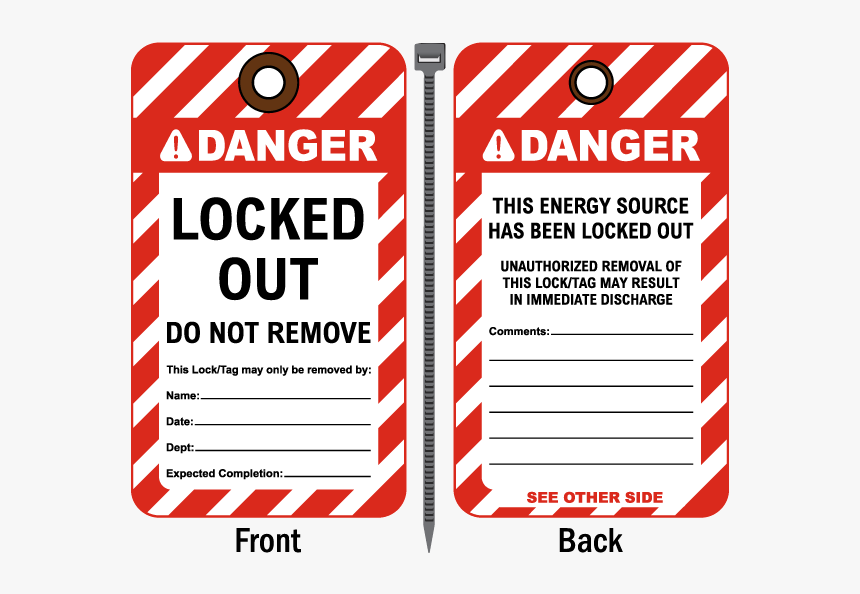
Lock out involves physically securing an energy-isolating device—like a circuit breaker, valve, or disconnect switch—with a lock so that equipment cannot be operated. Tag out complements this by attaching a warning tag to the same device, indicating that it must not be operated until the tag is removed.
Together, they form a dual-layer defense: - Lock out prevents accidental or unauthorized re-energizing. - Tag out communicates why the equipment is down and who is responsible.
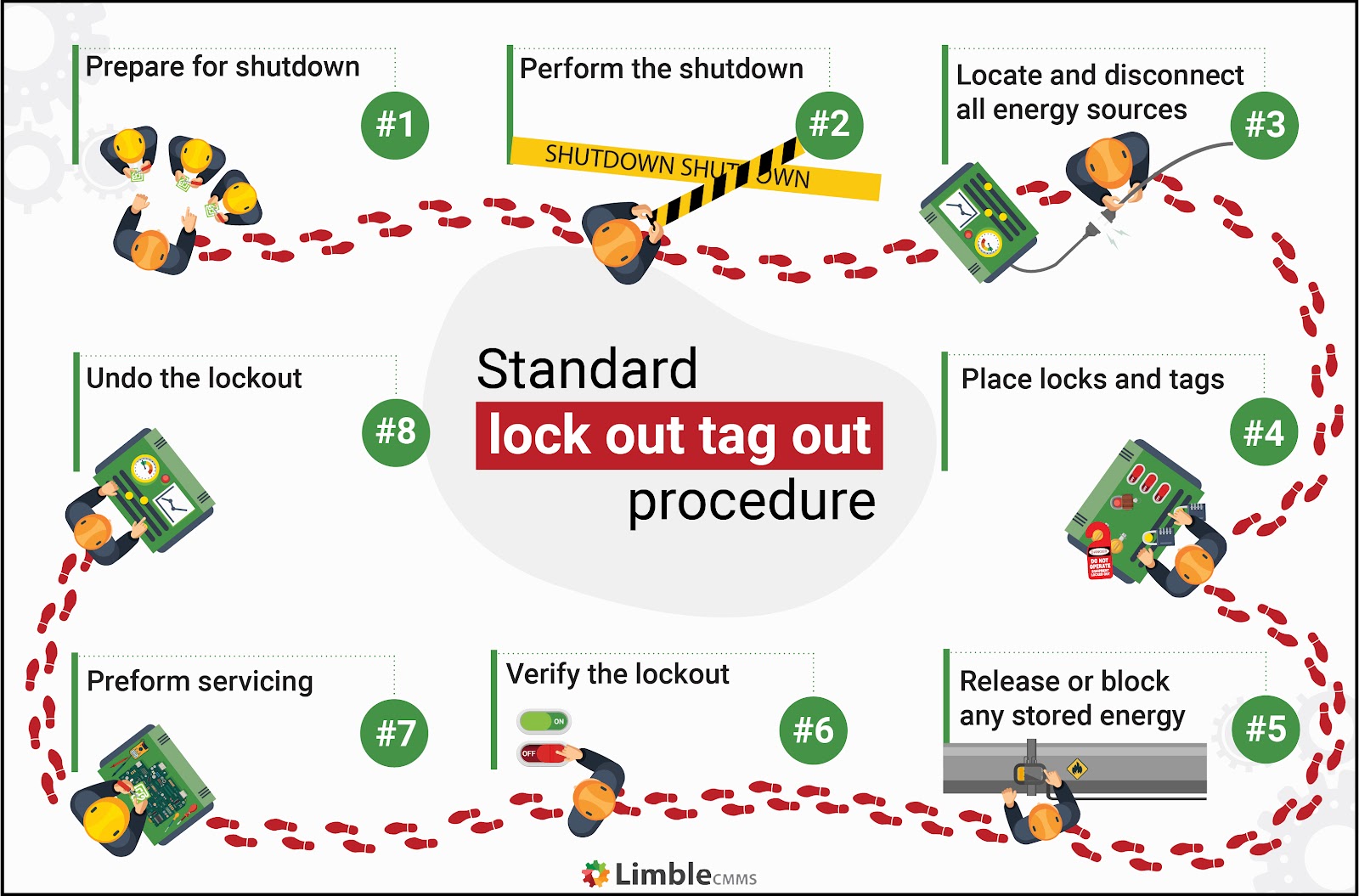
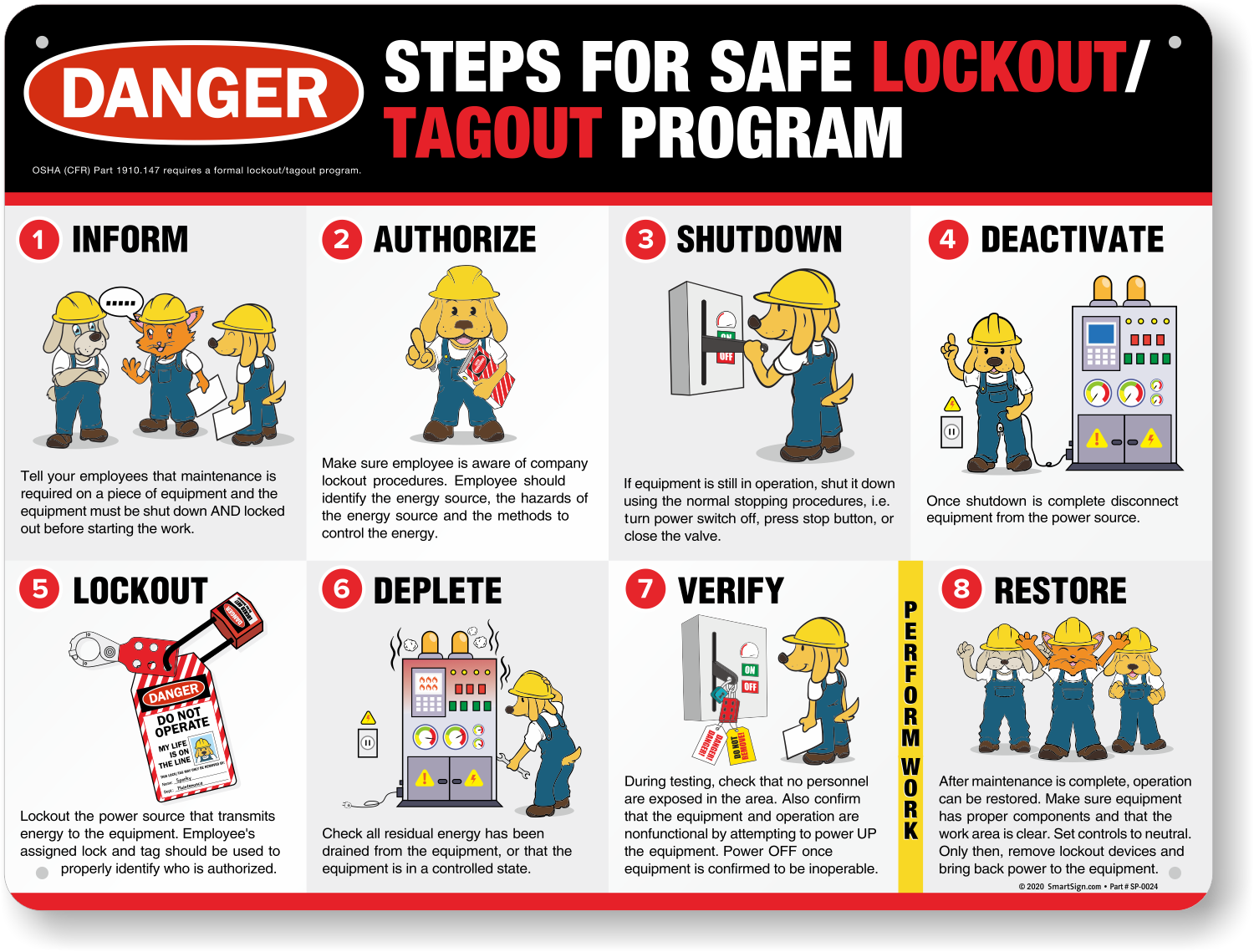
But LOTO isn’t just about applying a lock and tag. It follows a defined sequence of steps, each critical to safety:
- Preparation: Identify the type and magnitude of energy involved, and the methods required to control it.
- Notification: Inform all affected employees that a shutdown is about to occur.
- Shutdown: Turn off the equipment using proper procedures.
- Isolation: Disconnect or block all energy sources.
- Application of Locks/Tags: Each authorized employee applies their personal lock and tag.
- Control of Stored Energy: Relieve or block residual energy (e.g., discharging capacitors, depressurizing lines).
- Verification of Isolation: Attempt to start the machine (from a safe position) to confirm zero energy.
Only after all these steps are completed should work begin.
Common LOTO Failures That End in Injury
Even with procedures in place, failures happen—often due to human behavior or flawed systems. Some of the most dangerous missteps include:
- Using group locks without individual accountability: A single lock used by a team undermines personal responsibility. Each worker must apply their own lock.
- Skipping stored energy control: A technician might shut off power but fail to drain a pressurized line, leading to an unexpected release.
- Bypassing LOTO for “quick fixes”: Employees often rationalize skipping the process for tasks under five minutes. Many fatalities occur during these brief interventions.
- Improper tag design: Tags that aren’t durable, legible, or standardized may be ignored or misunderstood.
- Inadequate training: Authorized employees must understand both the how and why of LOTO—not just follow steps robotically.
One real-world case involved a maintenance worker clearing a jam in a conveyor system. The machine wasn’t locked out. A coworker, unaware of the maintenance, restarted the system, resulting in fatal entanglement. This wasn’t an equipment failure—it was a LOTO failure.
When LOTO Applies: Real-World Scenarios
LOTO isn’t limited to large industrial machinery. It applies whenever servicing exposes workers to hazardous energy. Consider these practical examples:
- Changing a motor on a pump: The motor must be disconnected electrically and locked out. Any pressure in the line must be bled off.
- Cleaning inside a packaging machine: Even if power is off, springs or hydraulics may store energy. Lock out all sources and verify.
- Replacing blades on a metal shear: The hydraulic system must be depressurized and locked out. A falling blade can sever limbs.
- Servicing HVAC units: Electrical disconnects must be locked, and refrigerant lines isolated if opened.
- Maintenance on robotic arms: Robots can move unexpectedly. Lock out both power and control systems.
In each case, the hazard isn’t always obvious. A silent machine can still be dangerous. LOTO forces workers to stop, assess, and act deliberately.
OSHA Standards and Legal Requirements
In the United States, OSHA’s standard 29 CFR 1910.147 sets the legal framework for control of hazardous energy. It defines two key roles: - Authorized employees: Those who perform LOTO procedures and service equipment. - Affected employees: Those who operate or use the equipment but don’t perform maintenance.
The standard mandates: - Written energy control procedures. - Annual inspections of LOTO practices. - Employee training for both authorized and affected staff. - Use of locks and tags that are durable, standardized, and identifiable.
Non-compliance can result in fines exceeding $15,000 per violation—and even more in cases of willful neglect. But beyond penalties, courts often cite LOTO failures in workplace injury lawsuits, amplifying liability.
OSHA doesn’t prescribe a specific lock or tag design, but it does require that locks be: - Operable only by a key or other means under the employee’s exclusive control. - Distinctive in color, shape, or size from non-safety locks. - Used only for control of hazardous energy.
How to Build an Effective LOTO Program
A successful LOTO program goes beyond张贴 posters and handing out locks. It requires structure, documentation, and ongoing oversight.
Step 1: Conduct an Energy Audit Identify every machine that requires LOTO. Document: - Types of energy used. - Isolation points (disconnects, valves, etc.). - Stored energy risks. - Maintenance frequency.
Step 2: Develop Written Procedures Each machine or group of similar machines should have a clear, step-by-step LOTO procedure. Include: - Shutdown sequence. - Location of isolation devices. - Lock application steps. - Verification method.
Use diagrams or photos to clarify complex setups.
Step 3: Train Employees Training must be role-specific:
- Authorized employees need hands-on practice applying locks, controlling stored energy, and verifying isolation.
- Affected employees must understand the purpose of LOTO and their responsibility not to remove locks or restart equipment.
Retrain annually or when procedures change.
Step 4: Perform Regular Audits Once a year, a supervisor must observe a LOTO procedure being performed and verify compliance with the written plan. Document findings and correct gaps immediately.
Step 5: Use the Right Equipment Not all locks and tags are equal. Invest in: - Non-releasable padlocks (cannot be removed without cutting). - Weather-resistant tags for outdoor equipment. - Lockout hasps for group lockout scenarios. - Valve locks, circuit breaker locks, and plug lockouts tailored to specific devices.
LOTO Tools and Devices: What You Actually Need
Effective LOTO relies on the right hardware. Below are essential tools and their practical applications:
| Tool | Purpose | Use Case |
|---|---|---|
| Personal Locks | Individual accountability | Each technician applies their own lock |
| Tagout Devices | Communication of hazard | Tags include name, date, reason, and contact |
| Valve Lockouts | Prevent valve operation | Used on gas, steam, or fluid lines |
| Circuit Breaker Locks | Secure electrical disconnects | Prevents accidental re-energizing |
| Plug Lockouts | Block electrical cords | Used on portable tools or machines |
| Group Lockout Hasps | Enable multiple locks on one point | Allows each worker to apply their lock |
| Lockout Stations | Centralize tools and tags | Keeps LOTO kits accessible near high-risk areas |
Using standardized, durable equipment reduces confusion and increases compliance.
Industry-Specific LOTO Challenges
While the principles are universal, application varies by industry.
- Manufacturing: High machine density increases risk of miscommunication. Use color-coded locks per department.
- Utilities: Workers often service equipment in remote or unmanned locations. Mobile LOTO verification apps help track compliance.
- Healthcare: Medical equipment like MRI machines have strong magnetic fields and stored energy. Specialized training is essential.
- Food Processing: Frequent cleaning increases exposure to moving parts. Ensure LOTO includes lockout of both power and water/air lines.
- Construction: Temporary power setups and shared equipment make consistent LOTO harder. Daily briefings should reinforce procedures.
Why LOTO Culture Beats Procedure Alone
The most advanced LOTO system fails if workers bypass it to “save time.” That’s why culture matters more than compliance.
Signs of a strong LOTO culture include: - Supervisors who model LOTO behavior. - No tolerance for shortcuts, even under production pressure. - Open reporting of near misses. - Recognition for safety adherence.
One plant reduced maintenance incidents by 78% in two years—not by changing procedures, but by making LOTO a visible, daily priority. Workers signed a safety pledge, wore LOTO responsibility badges, and conducted peer checks.
The Bottom Line: LOTO Is Non-Negotiable
Lock out tag out isn’t a box to check. It’s a lifeline. It transforms a moment of vulnerability—when a machine is open, exposed, and being serviced—into a controlled, predictable event.
Whether you manage a single piece of equipment or a multi-site operation, the principles are the same: isolate energy, apply locks and tags, verify, and never assume. Train thoroughly, audit consistently, and foster a culture where stopping work to do LOTO is not just allowed—it’s expected.
Start today: Pick one high-risk machine, review its LOTO procedure, and walk through it with your team. That single action could prevent a tragedy tomorrow.
What is the main purpose of lock out tag out? The primary purpose of lock out tag out is to protect workers by ensuring machines are completely de-energized and cannot be started up unexpectedly during maintenance or servicing.
Who is responsible for applying lock out tag out devices? Authorized employees—those trained to service equipment—are responsible for applying their own lock and tag during maintenance.
Can tag out be used without lock out? In some cases, tag out alone is permitted if a lock cannot be applied, but this requires additional safety measures and is considered less secure.
How often should LOTO procedures be inspected? OSHA requires that LOTO procedures be inspected at least annually, with documentation of the inspection and any corrective actions.
What counts as hazardous energy in LOTO? Hazardous energy includes electrical, mechanical, hydraulic, pneumatic, chemical, thermal, and gravitational sources that could cause injury if released.
Do all employees need LOTO training? Yes—affected employees (operators) need awareness training, while authorized employees (maintenance staff) require in-depth, hands-on training.
What should a LOTO tag include? A tag should list the employee’s name, date, reason for lockout, and contact information, along with a clear warning not to operate the equipment.
FAQ
What should you look for in What Is Lock Out Tag Out and Why It Matters? Focus on relevance, practical value, and how well the solution matches real user intent.
Is What Is Lock Out Tag Out and Why It Matters suitable for beginners? That depends on the workflow, but a clear step-by-step approach usually makes it easier to start.
How do you compare options around What Is Lock Out Tag Out and Why It Matters? Compare features, trust signals, limitations, pricing, and ease of implementation.
What mistakes should you avoid? Avoid generic choices, weak validation, and decisions based only on marketing claims.
What is the next best step? Shortlist the most relevant options, validate them quickly, and refine from real-world results.