Every year, preventable accidents occur during equipment maintenance because energy sources aren’t properly isolated. A lockout tagout station isn’t just a convenience—it’s a physical manifestation of an organization’s commitment to safety. When implemented correctly, these stations centralize control, reduce human error, and ensure compliance with OSHA standards. In high-risk environments like manufacturing plants, refineries, or utility operations, having an accessible, well-stocked LOTO station can mean the difference between a smooth maintenance cycle and a catastrophic incident.
A lockout tagout station serves as a designated hub where authorized employees access locks, tags, hasps, and other energy control devices before beginning service or repair on machinery. Beyond housing equipment, it plays a strategic role in training reinforcement, accountability, and procedural consistency.
Let’s break down what makes these stations indispensable, how to design one that works, and common pitfalls that undermine their effectiveness.
Why Lockout Tagout Stations Matter
OSHA estimates that proper lockout/tagout procedures prevent nearly 120 fatalities and 50,000 injuries annually in the U.S. alone. Despite these figures, studies show compliance gaps—often due to disorganization or lack of accessible tools. That’s where a dedicated LOTO station comes in.
These stations eliminate the guesswork. Instead of technicians scavenging for locks or improvising with mismatched tags, everything is available in one visible, standardized location. This consistency reduces confusion during high-pressure maintenance scenarios.
Consider this real-world example: A technician at a food processing plant needed to service a conveyor system. Without a central LOTO station, he borrowed a lock from a colleague and used an unapproved tag. The lock was removed prematurely during shift change, leading to unexpected startup and a severe hand injury. A properly equipped station with individual locks and standardized procedures could have prevented this.
A lockout tagout station also reinforces accountability. When each employee has their own lock and tag stored in an assigned compartment, ownership of safety becomes personal. It’s not just policy—it’s visible, tangible, and traceable.
Key Components of an Effective LOTO Station
A functional lockout tagout station isn’t just a box with locks. It’s a well-designed system that supports the entire energy control process. Here are the critical elements:
1. Lock Storage with Individual Compartments Each authorized employee should have a personal lock stored in a labeled bin. This promotes accountability and prevents lock sharing—something OSHA explicitly prohibits.
2. Standardized Lockout Devices Include a variety of padlocks (keyed-alike and keyed-different), hasps, valve locks, circuit breaker locks, and plug locks. Having the right device for each energy source ensures complete isolation.
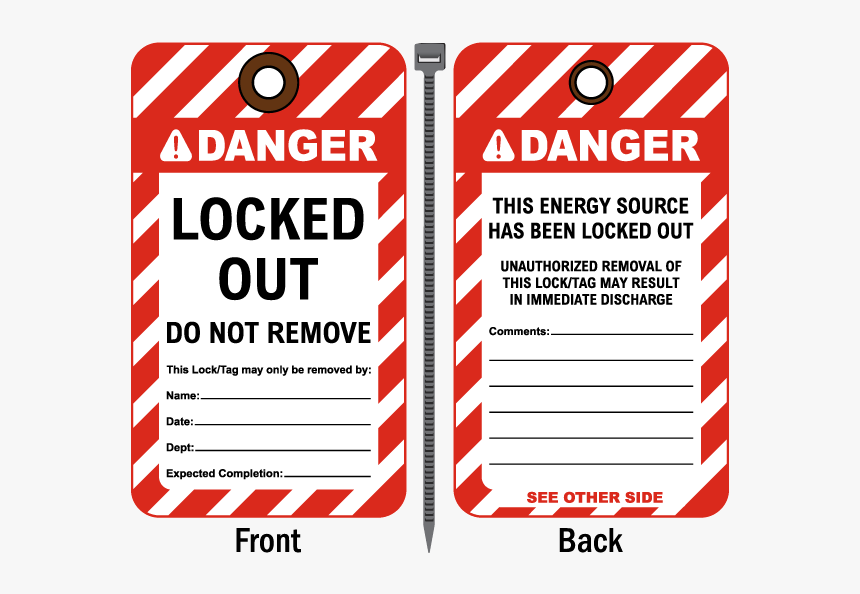
3. Tagout Tags and Tag Fill-Out Area Tags must include space for the worker’s name, department, date, reason for lockout, and expected removal time. Stations often include clipboards or dry-erase boards for temporary procedures or notes.

4. Procedural Documentation Post the site’s LOTO policy, step-by-step energy isolation procedures, and machine-specific lockout instructions. Visual aids like flowcharts or diagrams improve comprehension, especially in multilingual workplaces.
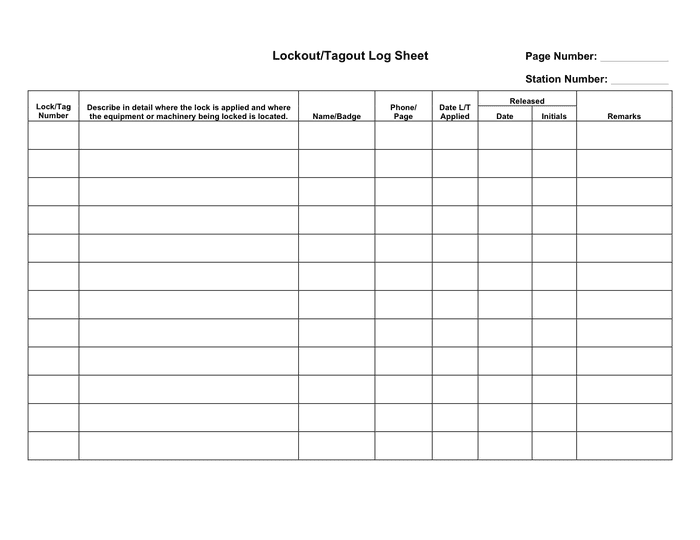
5. Audit and Sign-Out Log A logbook or digital tracker records who used which lock, when, and for which machine. This supports incident investigations and internal audits.
6. Emergency Override Protocols Clearly display steps for removing a lock when the original employee is unavailable—only to be performed under strict managerial oversight and documented justification.
Designing a Station for Your Facility
One-size-fits-all doesn’t work in industrial safety. The ideal lockout tagout station depends on your operation’s size, machinery diversity, and workforce structure.
For a small machine shop with five authorized personnel, a wall-mounted panel with 10 lock compartments, basic hasps, and three tag styles may suffice. Contrast that with a large chemical plant using dozens of energy-isolating devices across multiple shifts—here, you’ll need modular cabinets with expandable storage, bilingual tags, and redundant device backups.
Placement Matters Install stations within 25 feet of high-risk equipment if possible. OSHA doesn’t specify distance, but proximity increases compliance. Workers are more likely to follow procedure if tools are easy to access.
Avoid locations prone to moisture, extreme heat, or heavy traffic that could damage components or encourage shortcuts.
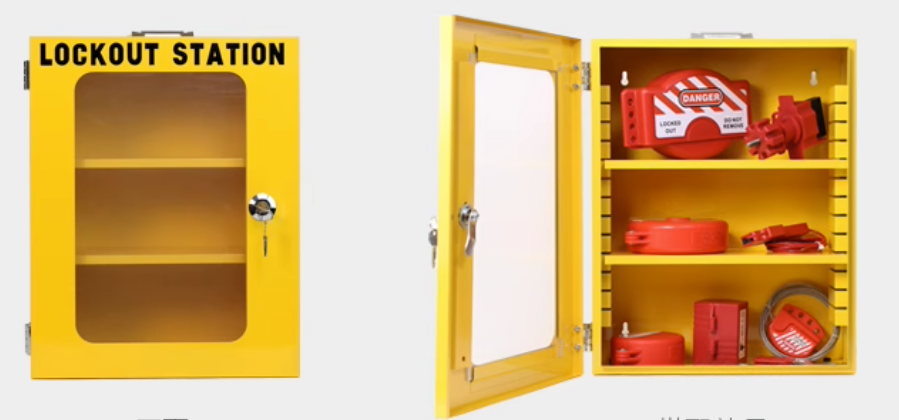
Visibility and Signage Use bright colors—red and yellow are standard—to draw attention. Include a bold header like “LOCKOUT/TAGOUT CONTROL STATION” and safety symbols (e.g., a padlock icon). Illuminated signs help in low-light areas.
Durability Choose stainless steel or heavy-duty polymer cabinets for harsh environments. Hinges should support frequent use, and doors should lock securely to prevent tampering or theft of safety devices.
Common Mistakes That Undermine LOTO Stations
Even well-intentioned setups fail when overlooked details compromise their function. These are the most frequent missteps:
1. Incomplete Device Inventory Stations stocked only with padlocks but missing valve locks or breaker covers are useless for isolating all energy types. Audit your machinery and ensure every energy source (electrical, pneumatic, hydraulic, thermal) has an appropriate lockout device.
2. Shared Locks or Tags Some teams use generic locks because individual ones are too costly. This violates OSHA 1910.147, which requires each employee to have exclusive control over their lock. Invest in personal locks—it’s not optional.
3. Poor Training Integration A station is only as effective as the training behind it. If new hires aren’t taught how to use it—or worse, see supervisors bypassing it—compliance erodes fast.
4. No Maintenance or Audit Schedule Locks rust, tags fade, hasps break. Without regular inspections, stations become unreliable. Assign a safety officer to audit the station quarterly.
5. Mislabeling or Missing Instructions If a worker can’t quickly identify which device fits a hydraulic line lock, they’ll improvise. Label all components clearly and include quick-reference guides.
Top 5 Lockout Tagout Station Solutions
Choosing the right station starts with understanding available options. These five systems balance functionality, scalability, and compliance:
| Product | Key Features | Best For |
|---|---|---|
| Grace Industries LOTO Cabinet | 20-40 employee slots, bilingual tags, modular add-ons, durable steel | Medium to large facilities needing expansion |
| Spartan Safety LOTO Panel | Wall-mounted, color-coded bins, includes 10 padlocks and hasps | Small workshops or satellite maintenance areas |
| Seton Lockout Station Center | Includes procedure boards, tag printers, audit logs | Facilities prioritizing documentation and traceability |
| Justrite Universal LOTO Cabinet | Corrosion-resistant, lockable door, customizable layouts | Harsh environments like chemical plants or outdoor units |
| Master Lock Depot LOTO Station | Affordable, pre-configured kits, OSHA-compliant tags | Budget-conscious operations starting their LOTO program |
When selecting a system, prioritize customization. The best stations let you add lock carriers, update tags, and integrate with digital safety platforms.
Integrating LOTO Stations into Daily Operations
A station isn’t a “set it and forget it” tool. To embed it into workflow:
- Include it in pre-shift briefings. Mention lock availability and recent audit results.
- Conduct monthly drills. Simulate lockouts to test station accessibility and employee knowledge.
- Link it to permit-to-work systems. Require lock sign-out before issuing maintenance permits.
- Display compliance metrics. Post stats like “98% LOTO compliance this quarter” near the station to reinforce culture.
One automotive parts manufacturer reduced maintenance-related incidents by 67% within a year simply by relocating LOTO stations closer to production lines and adding daily checklists at each cabinet.
The Cost of Skipping a Proper LOTO Station
The financial and human costs of inadequate lockout systems are steep. OSHA fines for LOTO violations average $15,000 per incident—with willful or repeated violations reaching $156,000. But fines are just the start.
Downtime from accidents, workers’ comp claims, equipment damage, and reputational harm can cost hundreds of thousands. More importantly, the human toll—lives altered, morale crushed—can’t be quantified.
A fully equipped LOTO station typically costs between $500 and $3,000, depending on size and features. That’s a fraction of the cost of a single serious injury.
Final Thoughts: Build It, Maintain It, Enforce It
A lockout tagout station is more than a cabinet—it’s a symbol of operational discipline. It reflects a culture where safety isn’t outsourced to procedures but lived through daily choices.
To get it right: - Audit your energy control needs. - Choose a station that scales with your operation. - Train every authorized employee—not just on how to lock out, but why the station matters. - Inspect and restock monthly. - Lead by example: if supervisors bypass the station, so will everyone else.
Start today. Position your station where it’s seen, used, and respected. Because when a machine powers down safely, it’s not just the equipment that’s protected—it’s the people who keep your operation running.
FAQ
What should you look for in Lockout Tagout Station Essentials for Workplace Safety? Focus on relevance, practical value, and how well the solution matches real user intent.
Is Lockout Tagout Station Essentials for Workplace Safety suitable for beginners? That depends on the workflow, but a clear step-by-step approach usually makes it easier to start.
How do you compare options around Lockout Tagout Station Essentials for Workplace Safety? Compare features, trust signals, limitations, pricing, and ease of implementation.
What mistakes should you avoid? Avoid generic choices, weak validation, and decisions based only on marketing claims.
What is the next best step? Shortlist the most relevant options, validate them quickly, and refine from real-world results.