Most workplace accidents don’t happen because of faulty machinery or extreme conditions—they happen because someone skipped a conversation. That conversation is the safety talk toolbox talk: a short, focused safety meeting held at the job site before work begins. It’s not a lecture. It’s not a compliance box to check. It’s a real-time, peer-driven dialogue that aligns teams on risks, reinforces protocols, and builds a culture where safety is spoken, not just posted.
Yet in too many workplaces, these talks are rushed, repetitive, or treated as a formality. The result? Workers tune out. Risks go unaddressed. Near-misses become incidents. The real power of a safety talk toolbox talk lies not in its duration—usually 5 to 15 minutes—but in its consistency, relevance, and engagement.
Here’s how to make it work.
What Exactly Is a Safety Talk Toolbox Talk?
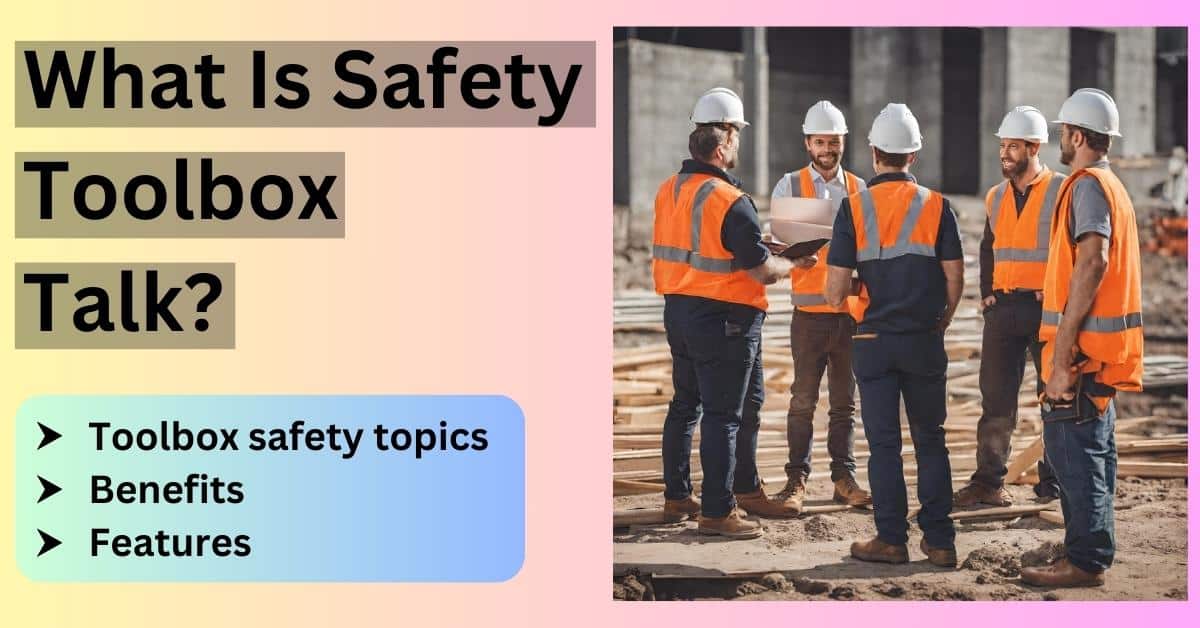
A safety talk toolbox talk is a brief, informal safety meeting conducted at the job site, typically before a shift or task begins. It’s called a "toolbox" talk because crews often gather around a toolbox, but the setting can be a staging area, trailer, or even a marked-off zone on a construction floor.
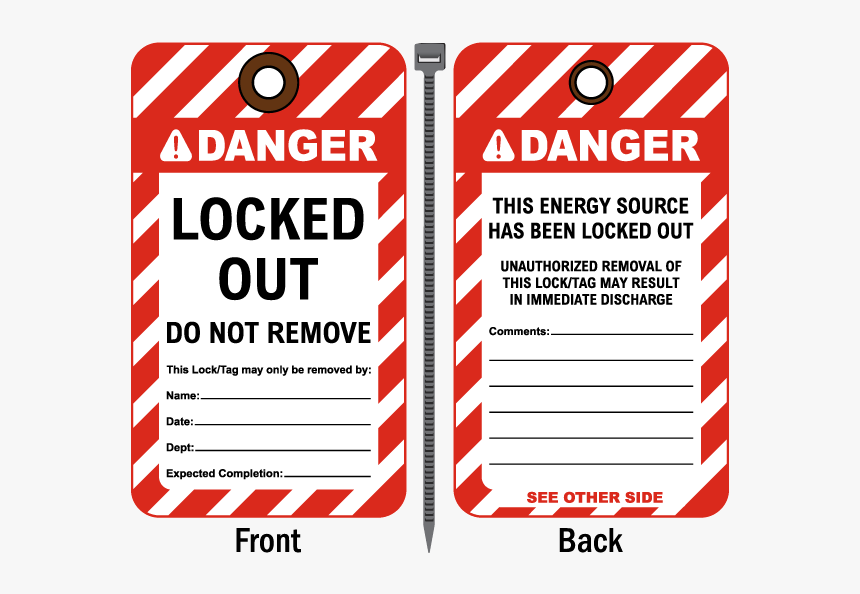
It focuses on one specific hazard or safety topic—like fall protection, lockout/tagout, or ladder safety—and lasts just long enough to inform and engage. Unlike formal training, it’s not about certification. It’s about awareness, clarity, and accountability.
These talks are most common in construction, manufacturing, utilities, and oil and gas, but they’re valuable in any environment where hazards exist. OSHA doesn’t mandate them by name, but they support compliance with broader safety standards like hazard communication and fall protection.
Key Components of an Effective Toolbox Talk
Every strong safety talk toolbox talk includes:
- Topic relevance: Tied to current work, weather, equipment, or recent incidents.
- Clear objective: What workers should know or do differently after the talk.
- Worker participation: Questions, observations, or real-life examples from the team.
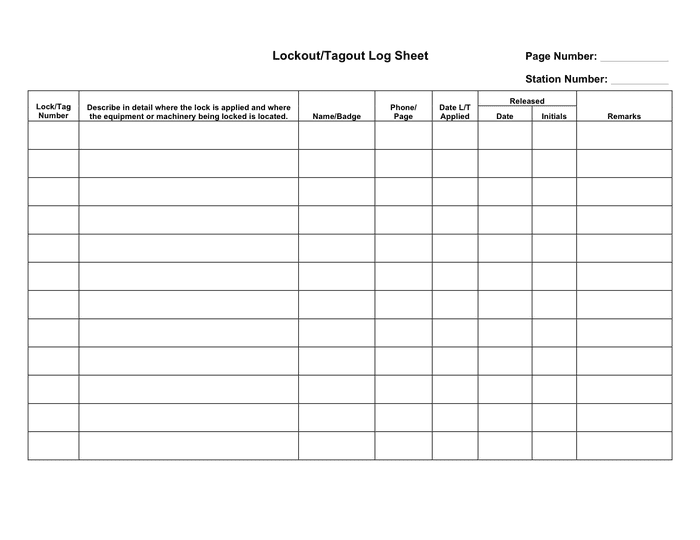
- Documentation: Date, topic, attendees, and key points recorded for review and compliance.
Skip any of these, and the talk becomes noise.
Why Most Toolbox Talks Fail (And How to Fix Them)
Too many safety talk toolbox talks follow the same pattern: a supervisor reads from a printed sheet, workers nod, someone signs a clipboard, and everyone disperses. That’s not engagement—that’s theater.
Common Pitfalls
- Generic content: Talking about PPE when the real risk is overhead power lines.
- One-way delivery: No questions, no discussion, no feedback.
- Poor timing: Held when workers are already geared up and eager to start.
- Inconsistent frequency: Done only when auditors are coming or after an incident.
These mistakes erode trust in the process. Workers start to see the talk as a hurdle, not a help.
How to Fix It
- Tailor the topic daily. If crews are welding overhead, talk about arc flash and fire watch—not hard hats.
- Involve the crew. Ask: “Has anyone seen this hazard before? How did you handle it?”
- Rotate facilitators. Let experienced workers lead occasionally. It builds ownership.
- Keep it visual. Bring the actual ladder, harness, or tagout device to demonstrate.
The best talks feel like peer-to-peer conversations, not top-down directives.
Real-World Examples of Effective Safety Talk Topics
A generic list won’t cut it. Relevance is everything. Here are real examples from the field:
1. Working at Heights – Guardrail Gaps A crew sets up scaffolding on the third floor. The talk focuses on identifying incomplete guardrails and the 6-foot fall protection rule. The supervisor walks the perimeter, points out two missing mid-rails, and asks the team how they’d address it. Outcome: Crew stops, fixes gaps, documents correction.
2. Confined Space Entry – Permit Review
Before entering a manhole, the talk reviews the confined space permit, gas test results, and rescue plan. The attendant explains their role. Workers confirm communication devices work. Outcome: Clear roles, verified conditions, no assumptions.
3. Slip, Trip, and Fall – Housekeeping
After a near-miss involving a tangled cable, the talk centers on workspace clutter. Workers identify three common culprits: extension cords, packaging debris, and unmarked wet floors. Each team member commits to a cleanup action. Outcome: Immediate site improvements.
These aren’t hypotheticals. They reflect actual risk moments where a five-minute conversation changed behavior.
Who Should Lead a Toolbox Talk?
It doesn’t have to be the safety officer or site supervisor. In fact, rotating leadership often improves engagement.
- Supervisors bring authority and oversight.
- Experienced workers offer practical insight.
- Safety reps ensure alignment with policy.
The key is preparation. Whoever leads must understand the topic, anticipate questions, and encourage interaction. A scripted talk read aloud loses attention fast. A facilitated discussion keeps people present.
Pro tip: Train multiple leaders. Use past incident reports or near-misses as practice scenarios. This builds a bench of confident facilitators.
How to Structure a 10-Minute Safety Talk
Time is tight. Structure keeps it focused. Use this format:

- Grab attention (1 min): Start with a question or incident. “Did you know 20% of construction falls happen from ladders?”
- Explain the hazard (2 min): Describe the risk, conditions, and consequences. Use real examples.
- Review controls (3 min): What PPE, procedures, or barriers prevent the hazard? Demo equipment if possible.
- Engage the team (3 min): Ask: “Where have you seen this risk? What would you do?”
- Confirm understanding (1 min): Quick verbal check: “Everyone clear on the safe work method?”
End with action: “If you see a missing guardrail, stop work and report it. No exceptions.”
This rhythm keeps energy high and information clear.
Documentation: More Than a Signature Sheet
Yes, someone must sign the log. But documentation is more than compliance—it’s a tool for improvement.
Record: - Date and time - Location or work zone - Topic and facilitator - Key discussion points - Attendee names or signatures
Review old logs weekly. Are the same topics repeating? That signals a training gap or systemic issue. Are talks held consistently before high-risk tasks? If not, adjust scheduling.
Digital tools can help. Apps like SafetyCulture or SiteDocs allow photo uploads, real-time reporting, and analytics. But even a clipboard works—if used consistently.
Integrating Toolbox Talks Into Your Safety Culture
A single talk won’t change behavior. Consistency and integration will.
- Schedule daily: Make it part of the pre-shift routine, like roll call.
- Link to JHA (Job Hazard Analysis): Use existing JHAs to pull talking points.
- Tie to incident trends: After a near-miss, hold a talk within 24 hours.
- Celebrate engagement: Recognize workers who speak up or suggest improvements.
Over time, these talks shift from being “something we do” to “how we work.”
5 Tools to Support Better Safety Talk Toolbox Talks
Running effective sessions gets easier with the right resources. Here are five practical tools:
| Tool | Best For | Key Feature |
|---|---|---|
| SafetyCulture (iAuditor) | Digital checklists and reporting | Pre-built toolbox talk templates, photo evidence, cloud sync |
| SiteDocs | Construction and field teams | Offline access, real-time alerts, compliance tracking |
| Procore Safety | Large construction projects | Integrates with project management, automated reminders |
| Encircle | Insurance and restoration | Voice-to-text reports, rapid documentation |
| Printable PDF Kits (OSHA, NIOSH) | Low-tech sites | Free, customizable, no internet needed |
Choose based on your team’s tech access and workflow. A paper template in a weatherproof binder works just as well as an app—if it’s used right.
The Bottom Line: Make It Real, Make It Regular
A safety talk toolbox talk is only as strong as the attention it gets and the actions it inspires. It’s not about perfection. It’s about presence.
Don’t wait for an incident to sharpen your approach. Start tomorrow: pick a real hazard, gather the crew, ask a question, and listen. Rotate the lead on Thursday. Review your logs every Friday.
Because the goal isn’t just to check a box. It’s to send every worker home safe—every single day.
FAQ
What should you look for in What Is a Safety Talk Toolbox Talk and Why It Matters? Focus on relevance, practical value, and how well the solution matches real user intent.
Is What Is a Safety Talk Toolbox Talk and Why It Matters suitable for beginners? That depends on the workflow, but a clear step-by-step approach usually makes it easier to start.
How do you compare options around What Is a Safety Talk Toolbox Talk and Why It Matters? Compare features, trust signals, limitations, pricing, and ease of implementation.
What mistakes should you avoid? Avoid generic choices, weak validation, and decisions based only on marketing claims.
What is the next best step? Shortlist the most relevant options, validate them quickly, and refine from real-world results.