Every year, preventable accidents occur because a machine powers on unexpectedly during maintenance. Workers are injured—sometimes fatally—because energy sources weren’t properly isolated. Lockout Tagout (LOTO) isn’t just a compliance formality; it’s a life-saving protocol. When done right, it eliminates hazardous energy risks. When ignored or misapplied, it creates vulnerability in even the safest environments.
The core principle is simple: before servicing equipment, isolate all energy sources, lock them in the off position, and tag them to warn others. But simplicity doesn’t mean ease. Real-world execution demands precision, training, and a culture of accountability. These lockout tagout safety tips ensure your team stays protected—every shift, every repair, every time.
Understand the Difference Between Lockout and Tagout
Lockout and tagout are often used together, but they serve distinct purposes.
Lockout means physically securing an energy-isolating device—like a circuit breaker or valve—with a lock to prevent accidental re-energization. Only the worker who applied the lock can remove it.
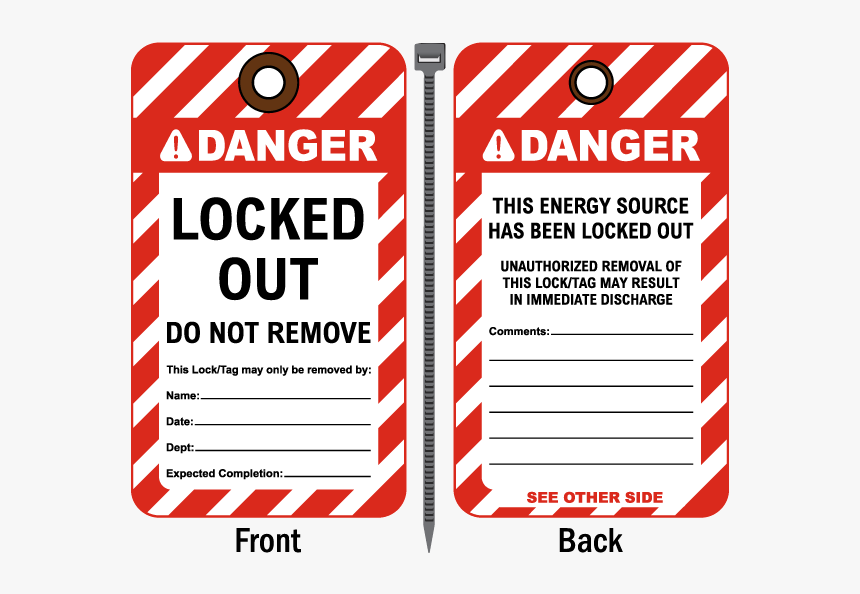
Tagout involves placing a warning tag on the same device. Tags inform others that equipment is under maintenance and should not be operated. While tags raise awareness, they don’t provide physical security.
Key Insight: OSHA permits tagout only if it provides equivalent protection to lockout. In most high-risk environments, lockout is required. Relying solely on tags creates a dangerous loophole.
Example: A technician tags a conveyor motor but doesn’t lock the disconnect. A coworker sees no lock, assumes it’s safe, and re-energizes the system. The result? A crushing injury during belt alignment.
Use both—lock and tag—for maximum protection.
Identify All Energy Sources Before Starting
Machines rarely rely on a single energy type. Assuming electricity is the only hazard leads to catastrophic oversights.
Before initiating LOTO, conduct a full energy audit of the equipment. Ask: - Is there electrical power? - Is pneumatic or hydraulic pressure stored? - Could gravity cause movement (e.g., elevated parts)? - Is there thermal, chemical, or rotational energy?
Real-World Scenario: A maintenance worker shuts off power to a hydraulic press but fails to release residual pressure in the lines. When adjusting the ram, stored energy releases—causing sudden movement and hand injuries.
Best Practice: Create equipment-specific LOTO procedures that list every energy source and the exact steps to neutralize each. Post these near the machine.
Use Authorized, Personal Locks Only
Shared locks or master keys defeat the purpose of LOTO.
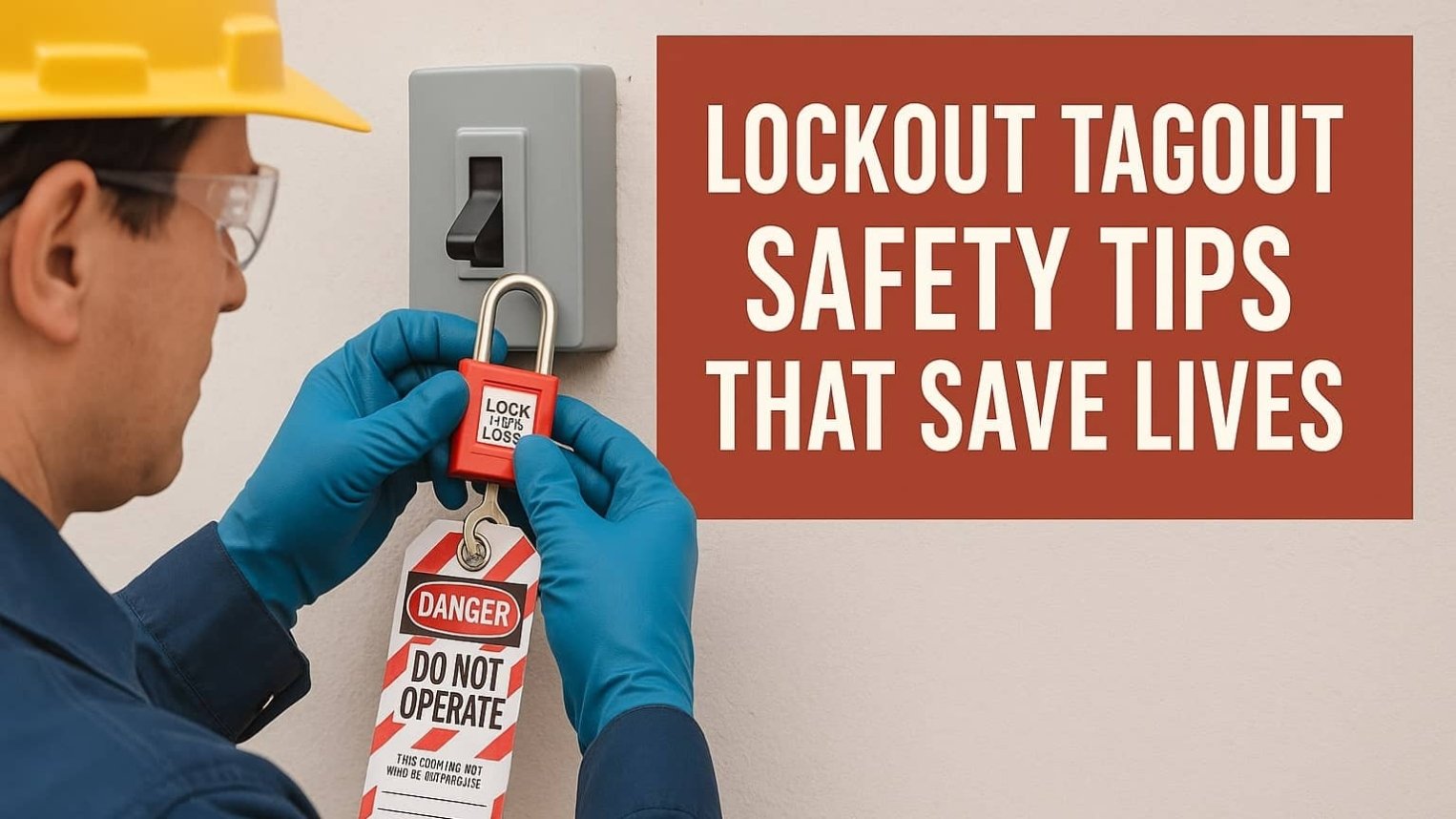
Each authorized employee must have their own lock, keyed uniquely to them. This ensures individual accountability. If a lock is left in place, it’s immediately clear who is still working on the equipment.
Common Mistakes: - Using a department lock instead of personal locks - Leaving keys in a shared drawer “just in case” - Using combination locks with shared codes
These shortcuts create confusion and risk. OSHA requires that only the employee who applied the lock can remove it—unless formal, documented procedures exist for emergency removal (e.g., supervisor override with approval and verification).
Pro Tip: Use locks with employee names and photos. It reinforces ownership and makes audits easier.
Follow a Standardized LOTO Procedure
Consistency prevents errors. A clear, step-by-step LOTO process reduces human error and ensures compliance.
- A robust LOTO sequence includes:
- Preparation: Notify affected employees. Identify energy sources.
- Shutdown: Turn off equipment using normal controls.
- Isolation: Shut off energy at the source—disconnects, valves, breakers.
- Lockout/Tagout: Apply locks and tags to each energy-isolating device.
- Stored Energy Dissipation: Bleed pressure, block moving parts, discharge capacitors.
- Verification: Attempt to restart the machine (safely) to confirm zero energy.
Critical Step: Verification is non-negotiable. Never skip the test. If the machine starts—even slightly—reassess the isolation process.
Use Case: A technician locks a motor disconnect but doesn’t block a flywheel. During servicing, vibration causes rotation. A hand is caught. Proper verification would have revealed incomplete isolation.
Train Employees Regularly—Not Just Once
Initial training isn’t enough. OSHA requires annual LOTO refresher training for all authorized and affected employees.
But beyond compliance, real-world risks evolve. New machines, updated procedures, or organizational changes demand ongoing education.
Training Should Cover: - Roles: Authorized (applies LOTO) vs. Affected (operates equipment) - Equipment-specific procedures - Recognition of hazardous energy types - Proper use of locks, tags, and tools - Emergency response if LOTO fails
Example: A new automated packaging line is installed. Without updated training, maintenance staff use the same LOTO steps from older machines—missing a hidden pneumatic accumulator. A burst valve injures a worker during calibration.
Best Practice: Conduct hands-on drills. Simulate LOTO scenarios quarterly. Test not just knowledge, but muscle memory.
Never Bypass LOTO—Even for “Quick Fixes”
One of the most dangerous myths: “It’ll only take 30 seconds.”
Workers often bypass LOTO to clear a jam, adjust a sensor, or retrieve a dropped tool. Speed becomes a liability.
Real Incident: A plant operator attempts to clear a paper jam in a printing press without locking out. A coworker restarts the machine remotely. The operator loses two fingers.
No task is too small to skip LOTO.
Workflow Tip: Build LOTO time into maintenance estimates. If managers pressure for speed, revise expectations—not safety protocols.
Encourage a speak-up culture. If someone sees a bypass, they should feel empowered to stop the job.
Audit and Inspect LOTO Procedures Annually
OSHA mandates an annual inspection of each energy control procedure. This isn’t a paperwork exercise—it’s a field test.

During audits: - Observe an authorized employee performing LOTO - Verify all steps are followed correctly - Check lock condition, tag clarity, and sequence accuracy - Identify gaps and update procedures
Use the audit to reinforce training, not punish mistakes.
Common Audit Findings: - Missing lock applications on auxiliary power sources - Tags without clear contact info or reason - Stored energy not fully dissipated - Incomplete verification attempts
Fix issues immediately. Document corrections and retrain as needed.
Use the Right Tools and Equipment
LOTO effectiveness depends on reliable tools. Using damaged, generic, or incorrect devices compromises safety.
Essential LOTO Equipment: - Personal Locks: Durable, keyed-alike sets for groups, but unique per individual - Lockout Hasps: Allow multiple locks on a single isolation point - Valve Lockouts: Fit various valve types (ball, gate, lever) - Circuit Breaker Locks: Prevent flipping breakers during service - Group Lockout Boxes: For complex jobs with multiple workers
Pro Insight: Color-code locks by department or shift. Red for maintenance, blue for production, etc. It speeds up identification during shift changes.
Avoid makeshift solutions—zip ties, tape, or temporary tags. OSHA explicitly prohibits these.
Plan for Shift Changes and Absences
What happens when a worker leaves a locked machine and doesn’t return?
Unexpected absences—sick days, emergencies, early departures—create LOTO complications.
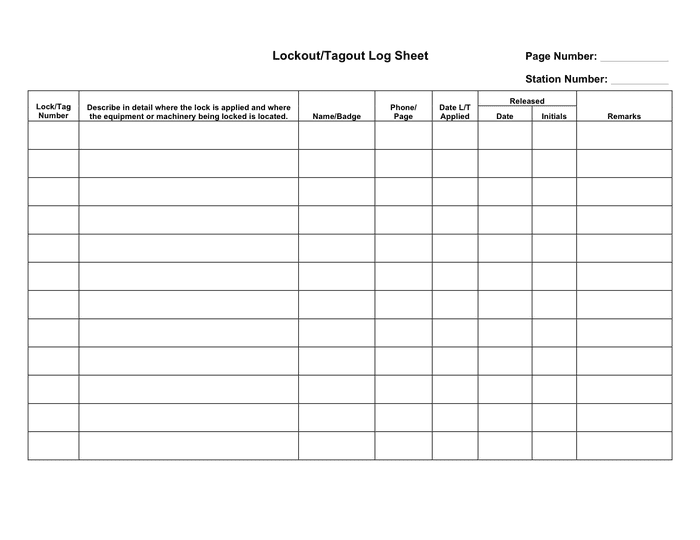
Establish a Clear Protocol: - No one removes another’s lock unless under emergency procedures - Supervisors must verify the worker is clear of the equipment before removal - Use shift交接 logs to document ongoing LOTO status
Example: A night-shift technician locks out a boiler for repair but doesn’t show up the next day. Day shift supervisor follows protocol: contacts the worker, confirms they’re safe, verifies equipment is clear, then removes the lock under documented oversight.
Without this, someone might remove the lock prematurely—risking injury if the worker returns mid-repair.
Build a Culture Where Safety Overrides Speed
LOTO isn’t just a procedure—it’s a mindset.
In high-pressure environments, safety often loses to production demands. But one incident can shut down operations for weeks.
Cultural Indicators of Success: - Workers routinely stop jobs they see violating LOTO - Supervisors praise compliance, not just output - Near-misses are reported and reviewed - LOTO steps are posted, visible, and referenced daily
Leadership sets the tone. When managers rush repairs or ignore minor violations, the message is clear: speed matters more than safety.
Flip that script. Recognize employees who follow LOTO perfectly. Audit fairly. Invest in better tools. Make safety seamless, not burdensome.
Closing Action Step: Review your current LOTO procedures today. Pick one machine. Walk through every energy source. Verify locks, tags, and dissipation steps. Then, train one team member using that example. Small actions create lasting change.
Safety isn’t a checklist—it’s a commitment. Lock it, tag it, verify it. Every time.
FAQ
What should you look for in Essential Lockout Tagout Safety Tips Every Worker Should Know? Focus on relevance, practical value, and how well the solution matches real user intent.
Is Essential Lockout Tagout Safety Tips Every Worker Should Know suitable for beginners? That depends on the workflow, but a clear step-by-step approach usually makes it easier to start.
How do you compare options around Essential Lockout Tagout Safety Tips Every Worker Should Know? Compare features, trust signals, limitations, pricing, and ease of implementation.
What mistakes should you avoid? Avoid generic choices, weak validation, and decisions based only on marketing claims.
What is the next best step? Shortlist the most relevant options, validate them quickly, and refine from real-world results.