Every year, dozens of workers are injured or killed during servicing and maintenance of equipment because energy sources weren’t properly controlled. A single missed lockout tagout safety talk can lead to catastrophic consequences—contact with moving parts, electrocution, or unexpected machine startup. These incidents aren’t just statistics; they happen in machine shops, manufacturing plants, and maintenance bays where complacency creeps in and procedures are bypassed for speed.
A lockout tagout safety talk isn’t corporate formality. It’s a frontline defense. It’s the moment before work begins when teams confirm that machines are de-energized, isolated, and verified to stay that way. When done right, these briefings save lives. When skipped, they risk everything.
This isn’t about checking a training box. It’s about embedding a culture where every worker feels empowered to stop the job if safety isn’t confirmed.
Why Lockout Tagout Safety Talks Matter More Than Ever
Despite decades of OSHA regulations and safety advancements, energy-related incidents persist. The Bureau of Labor Statistics reports that hundreds of workers suffer disabling injuries annually due to improper machine servicing. Most of these are preventable with proper lockout tagout (LOTO) execution—and reinforced through regular safety talks.
A safety talk isn’t a lecture. It’s a targeted conversation—typically 5 to 15 minutes—that reinforces awareness, addresses potential gaps, and ensures everyone on shift understands the risks and controls in play.
Common scenarios where a LOTO safety talk prevents disaster: - A maintenance technician clears a jam in a conveyor system. - An electrician replaces a motor control unit. - A production operator troubleshoots a hydraulic press.
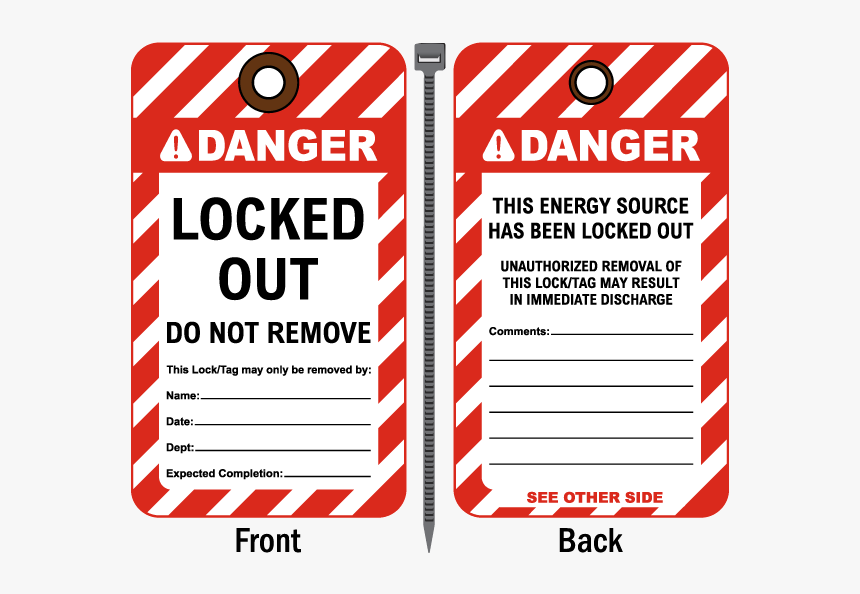
In each case, uncontrolled energy can turn routine work into a life-altering event. A safety talk ensures that: - The correct energy-isolating devices are used. - Only authorized employees perform lockout. - Verification (trying to start the machine) is never skipped. - Tags communicate clear information: who locked it, why, and when.
Without this step, assumptions replace procedure—“I thought someone already locked it out” is a phrase that precedes too many accidents.
Elements of an Effective Lockout Tagout Safety Talk
An impactful safety talk isn’t improvised. It follows a structure that ensures clarity, engagement, and retention. Use this framework to guide every session:
1. Start with a Real Incident or Near-Miss Open with a story—real or anonymized—that highlights the stakes. For example: > “Last month at a packaging plant, a worker reached into a sealer without verifying lockout. The machine cycled unexpectedly. The result? A fractured hand and six weeks of lost time.”
Stories make risk tangible. They cut through the “it won’t happen to me” mindset.
2. Review the Day’s Specific Task Generic talks don’t stick. Tailor the discussion to the work at hand. - Is it a routine maintenance check? - A repair on high-pressure equipment? - Involves multiple energy sources (electrical, pneumatic, hydraulic)?
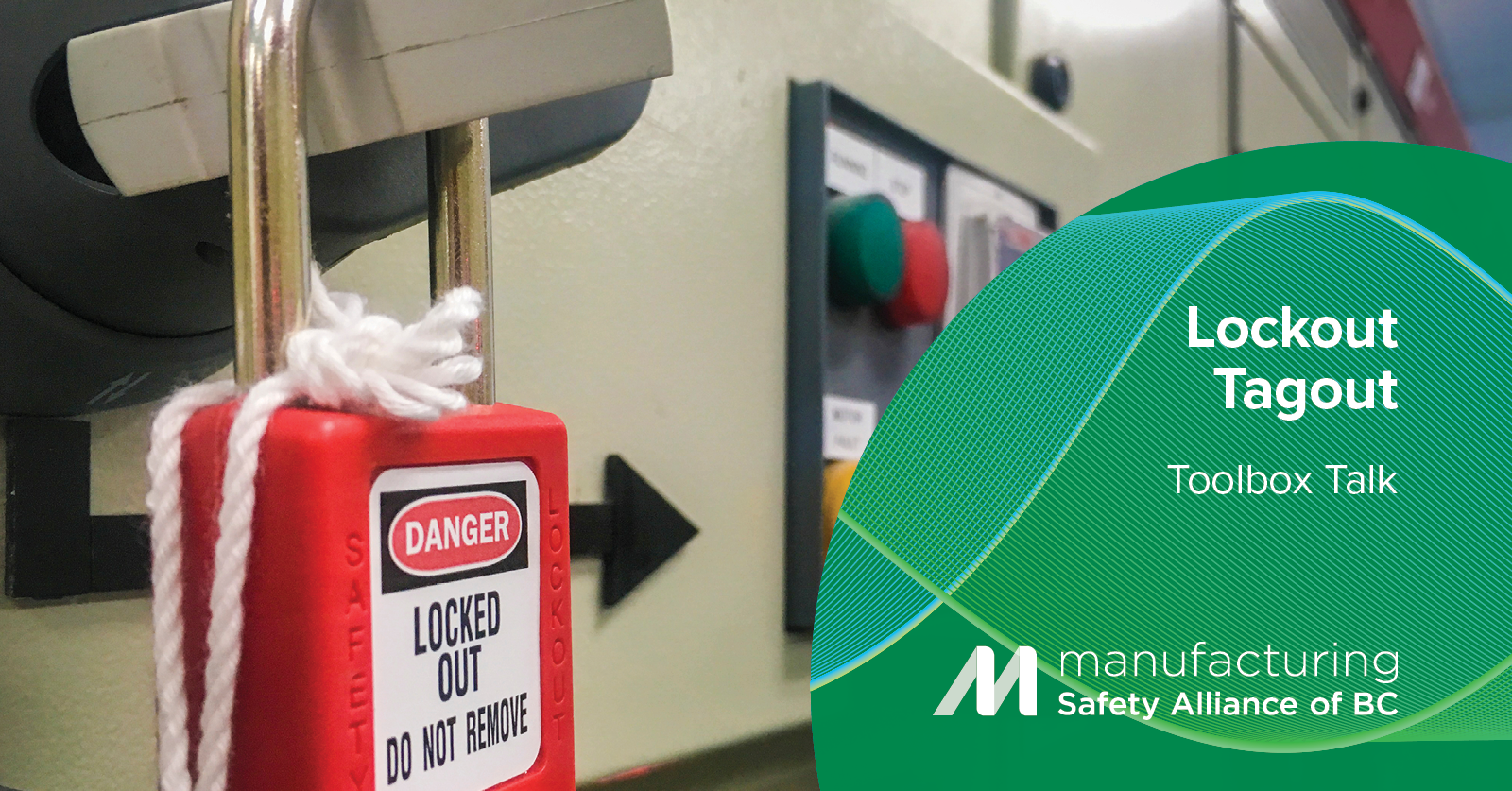
Mention the exact machine, energy types, and isolation points. Workers need to visualize the process.
3. Walk Through the LOTO Procedure Step by Step Use the talk to reinforce the sequence: 1. Notify affected employees. 2. Shut down the equipment properly. 3. Isolate all energy sources (disconnects, valves, etc.). 4. Apply locks and tags. 5. Release stored energy (bleed lines, block components). 6. Verify zero energy state (the most overlooked step).
Emphasize verification. You can’t assume a machine is safe—prove it.
4. Identify Common Pitfalls Discuss what typically goes wrong:
- Using someone else’s lock.
- Skipping lockout because “it’s just a quick fix.”
- Failing to account for secondary energy sources like springs or capacitors.
- Removing locks without proper authorization.
These aren’t theoretical—they’re the root causes in OSHA citations.
5. Invite Questions and Encourage Peer Accountability End with an open floor. Ask, “What would you do if you saw a missing lock?” or “Who here is authorized to lock out this press?”
When workers speak up, they internalize the process. Peer accountability strengthens compliance more than top-down enforcement.
Common Mistakes That Undermine LOTO Safety Talks
Even with good intentions, many teams fall into traps that weaken their safety talks:
Mistake 1: Treating It as a Box-Ticking Exercise
When a supervisor reads from a script without engaging the team, attention wanes. Workers tune out. The talk becomes performative rather than preventive.
Fix: Make it interactive. Point to actual equipment. Ask workers to describe the lockout steps. Use visuals or mock setups.
Mistake 2: One-Size-Fits-All Approach A talk about locking out a CNC mill shouldn’t be the same as one for a boiler system. Different energy sources, different risks.
Fix: Customize for the task. Break down each energy type and control method specific to the equipment.
Mistake 3: Excluding Affected Employees Only authorized employees apply locks, but affected employees (those operating the equipment) must understand when and why lockout occurs.
Fix: Include them in the talk. Clarify their role: they must not attempt to restart equipment and should report any tampering.
Mistake 4: Skipping Verification in the Discussion
Many talks cover lock application but gloss over verification. Yet OSHA requires proof of zero energy.
Fix: Stress that verification is non-negotiable. Describe how it’s done: testing start buttons, checking gauges, using voltage testers.
When to Hold a Lockout Tagout Safety Talk
Timing is critical. A safety talk has the most impact when it’s timely and relevant.
Conduct one: - Before any maintenance or servicing work. Not after work starts—before. - When new employees are present. Reinforce procedures and clarify roles. - After a near-miss or incident. Use it as a learning moment. - When procedures change. New equipment, updated isolation points, or revised tags. - During shift changes. Ensure incoming teams know what’s locked out and why.
Holding a talk during morning safety huddles is common, but ensure it’s not rushed. If the work is high-risk, slow down and focus.
Real-World Use Cases: How Safety Talks Prevent Accidents
Case 1: Preventing a Crush Injury on a Packaging Line At a food processing plant, a technician needed to clear a jam in a shrink-wrap machine. The team held a 10-minute safety talk, reviewing the electrical disconnect and confirming pneumatic lines were bled.
During verification, they noticed the motor brake wasn’t holding. Further inspection revealed a worn component—had the machine been energized, it could have cycled unexpectedly. The issue was repaired before restart.
Lesson: Verification caught a hidden hazard. The talk created space for thorough checks.
Case 2: Stopping Unauthorized Restart At a chemical plant, a maintenance crew locked out a pump for seal replacement. During the safety talk, they emphasized that only the lead technician could remove locks.
Later, an operator—unaware of the work—tried to restart the pump. Seeing the lock and tag, he stopped and notified supervision. The team was still inside the work zone.
Lesson: The tag communicated critical information. The talk ensured everyone understood the protocol.
Case 3: Addressing Complacency on “Simple” Tasks A manufacturing facility had a recurring issue: workers bypassing lockout for “quick” adjustments. After a safety talk focused on short-duration tasks, one employee admitted he’d been skipping LOTO for minor jams.
The team discussed why “five seconds” isn’t safe. The culture shifted—shortcuts were no longer tolerated.
Lesson: Safety talks uncover hidden behaviors. Open dialogue drives change.
Building a Culture Where Safety Talks Stick
A single talk won’t transform a workplace. But consistent, meaningful conversations will.
To embed LOTO safety talks into daily operations: - Train supervisors to lead engaging sessions, not just read scripts. - Rotate facilitators to involve more team members. - Use visual aids: photos of correct lock application, diagrams of energy sources. - Track participation, not just completion. - Recognize teams that conduct effective talks.
Most importantly, leadership must model the behavior. When managers attend, ask questions, and enforce standards, the message is clear: safety isn’t optional.
Action Steps for Your Next Safety Talk
Don’t wait for an incident to improve your approach. Take action now:
- Review your last three LOTO safety talks. Were they task-specific? Interactive?
- Create a checklist for facilitators: incident story, task breakdown, procedure review, pitfalls, Q&A.
- Involve experienced workers in developing talking points—they know the real-world challenges.
- Schedule talks at the worksite, not the break room. Proximity to equipment reinforces relevance.
- Follow up. Ask workers one day later: “What’s one thing you remember from yesterday’s talk?”
A lockout tagout safety talk should leave every participant with one clear takeaway: No work begins until energy is controlled—and we all own that standard.
Stop. Lock. Verify. Confirm. Then—and only then—begin the job.
FAQ
What should you look for in Lockout Tagout Safety Talk: Protect Workers Every Time? Focus on relevance, practical value, and how well the solution matches real user intent.
Is Lockout Tagout Safety Talk: Protect Workers Every Time suitable for beginners? That depends on the workflow, but a clear step-by-step approach usually makes it easier to start.
How do you compare options around Lockout Tagout Safety Talk: Protect Workers Every Time? Compare features, trust signals, limitations, pricing, and ease of implementation.
What mistakes should you avoid? Avoid generic choices, weak validation, and decisions based only on marketing claims.
What is the next best step? Shortlist the most relevant options, validate them quickly, and refine from real-world results.