Every year, workers suffer serious injuries — even fatalities — from unexpected machine startup during maintenance. The root cause? Failed or ignored lockout tagout procedures. OSHA’s lockout tagout (LOTO) standards exist to prevent these tragedies, yet non-compliance remains widespread across manufacturing, construction, and industrial facilities.
These procedures aren’t just paperwork — they’re life-saving systems. When implemented correctly, they isolate hazardous energy sources and protect employees from electrocution, amputations, and crushing injuries. This guide breaks down OSHA lockout tagout procedures with precision, outlining real-world applications, common pitfalls, and the exact steps you need to stay compliant and keep workers safe.
What Are OSHA Lockout Tagout Procedures?
OSHA lockout tagout procedures are formal, documented steps used to control hazardous energy during equipment servicing or maintenance. They’re mandated under 29 CFR 1910.147, known as “The Control of Hazardous Energy (Lockout/Tagout).” The standard applies to any situation where unexpected energization, startup, or release of stored energy could harm employees.
At its core, LOTO requires:
- Shutting down machines properly
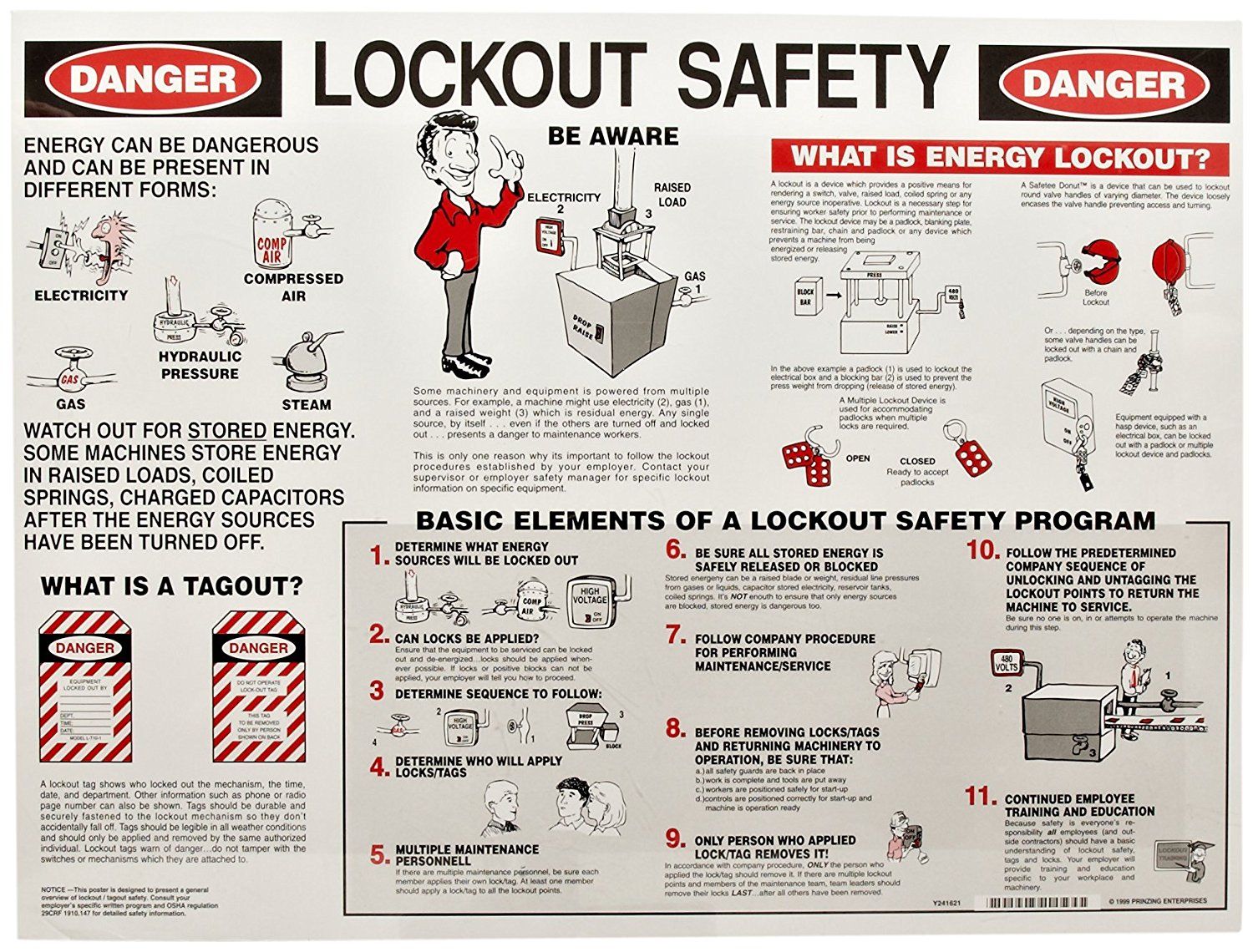
- Isolating all energy sources (electrical, hydraulic, pneumatic, chemical, thermal, etc.)
- Applying locks and tags to prevent re-energization
- Verifying zero energy before work begins
- Releasing stored energy (e.g., bleeding lines, discharging capacitors)
These procedures are not optional. OSHA estimates that LOTO violations rank among the top 10 most frequently cited standards — and for good reason. Improper procedures expose workers to catastrophic risks.
Key Terms You Must Know
- Authorized Employee: A worker trained to implement LOTO procedures and service equipment.
- Affected Employee: Operates or uses machinery but doesn’t perform maintenance.
- Energy Isolating Device: A physical mechanism (like a circuit breaker or valve) that disconnects energy.
- Lockout Device: A lock that physically prevents re-energizing equipment.
- Tagout Device: A warning tag indicating equipment is unsafe to operate.
Understanding these terms is essential — mixing up roles or devices can void compliance and put lives at risk.
Why Lockout Tagout Procedures Are Non-Negotiable
Compliance isn’t just about avoiding OSHA fines, which can exceed $15,000 per violation. It’s about protecting people. According to the Bureau of Labor Statistics, hundreds of workers die annually from unexpected machine activation. Thousands more suffer disabling injuries.
Consider a real case: A mechanic at a food processing plant was clearing a jam in a conveyor system. The machine wasn’t locked out. A coworker restarted it remotely, resulting in severe arm trauma. The investigation found no written LOTO procedure existed — a direct violation of OSHA standards.
This isn’t an anomaly. Common scenarios include:
- Workers assuming a machine is off because it’s silent
- Using tagout without lockout where feasible
- Multiple employees servicing a machine without individual locks
- Bypassing safety interlocks during troubleshooting
Each is a violation waiting to turn into an incident.
The 6-Step OSHA Lockout Tagout Process
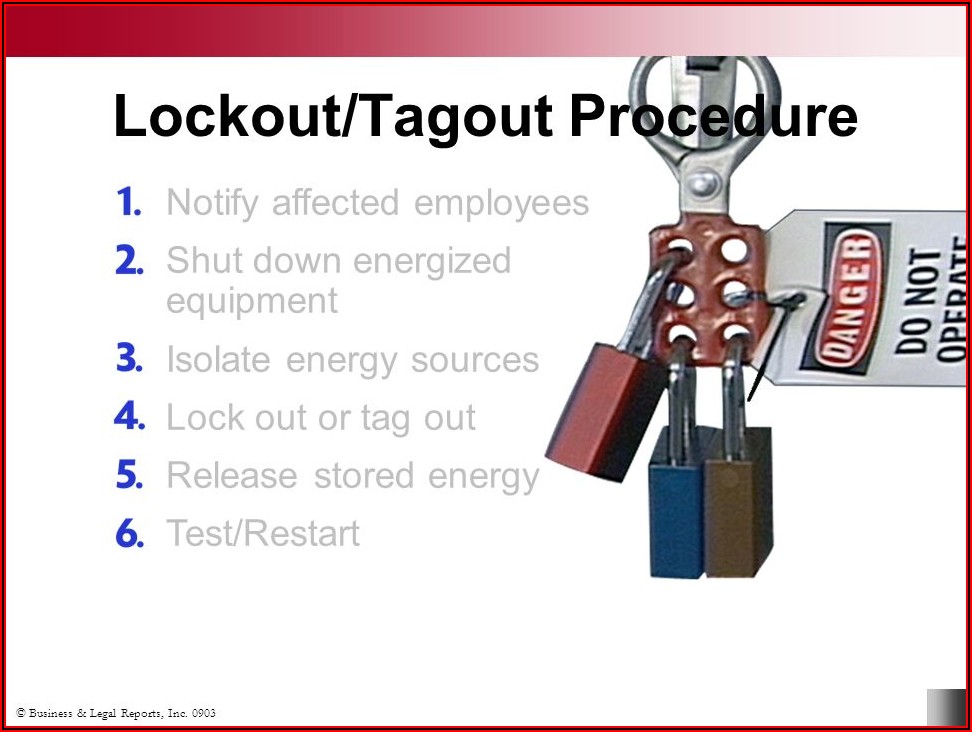
OSHA doesn’t prescribe rigid steps, but industry best practices have crystallized a six-phase approach that aligns with compliance and real-world safety. Follow this sequence every time:
1. Prepare for Shutdown
Before touching equipment, authorized employees must identify all energy sources. This includes obvious ones like electrical power, but also hidden sources like gravity (e.g., a raised platform), compressed springs, or steam lines.
Example: A press machine uses hydraulic pressure and electrical motors. Both must be isolated. Workers should consult equipment schematics or energy flow diagrams during preparation.
2. Notify Affected Personnel
Communication is critical. Operators and nearby staff must be informed that maintenance is about to begin. This prevents accidental activation and ensures everyone understands the work zone.
3. Shut Down the Equipment
Use normal stopping procedures — don’t yank cords or trip breakers without sequence. Follow manufacturer guidelines for safe shutdown.
4. Isolate Energy Sources
Physically disconnect each energy source using approved isolating devices. This means flipping breakers to off, closing valves, blocking moving parts, or disconnecting couplings.
Critical tip: Use only OSHA-compliant locks and tags. Locks must be durable, standardized, and keyed differently per employee.
5. Apply Locks and Tags
Each authorized employee must apply their personal lock and tag. Group lockout boxes are acceptable when multiple workers are involved, but each individual must still use their own lock.
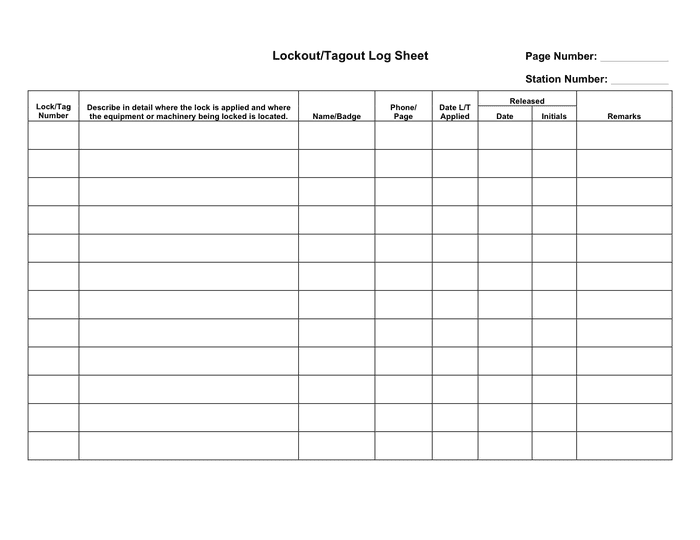
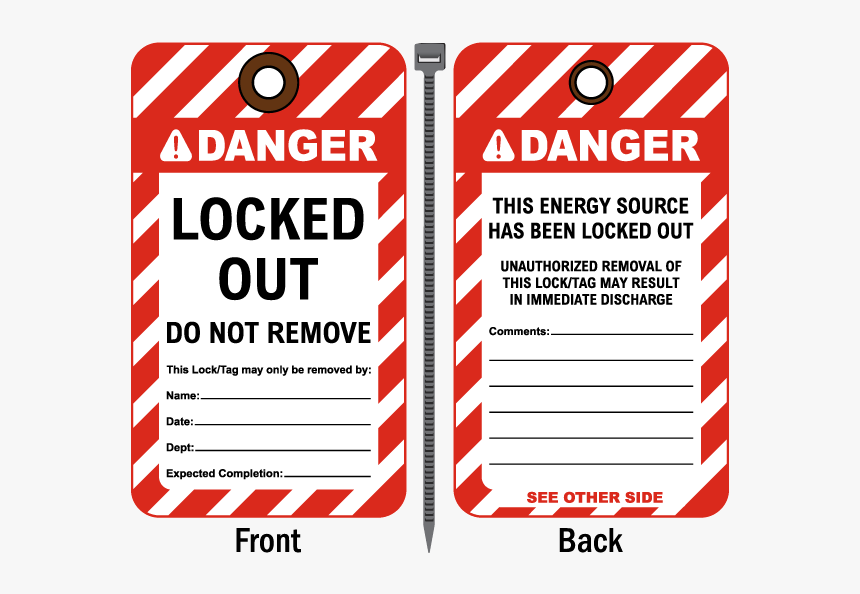
Tags must include: - Name of the employee - Date and time of lockout - Reason for the procedure
Common mistake: Using generic tags like “Do Not Operate” without identifying the responsible worker. This violates OSHA’s specificity requirement.
6. Verify Zero Energy
This is the most overlooked — and most dangerous — step. Never assume energy is gone. Test controls, check voltage with a meter, or attempt startup (safely) to confirm de-energization.
Real-world example: An electrician assumed a breaker was dead. He didn’t test it. When he touched the terminal, he was severely shocked. A simple voltage test could have prevented it.
Written LOTO Procedures: What OSHA Requires
OSHA mandates that every machine or piece of equipment with hazardous energy must have a written lockout tagout procedure. These aren’t vague policies — they’re detailed, step-by-step instructions.
A compliant written procedure includes:
- Equipment identification (name, model, location)
- Specific energy sources
- Location of isolating devices
- Sequence for shutdown, isolation, locking, and verifying
- Steps for re-energization
- List of authorized employees
Practical tip: Use visual aids. Include photos or diagrams showing where locks go and which valves to close. A plant in Ohio reduced LOTO errors by 60% after adding annotated machine schematics to their procedures.
Store these documents in an accessible location — digital portals, bulletin boards, or binders in maintenance rooms. They must be reviewed annually and updated when equipment changes.
Training and Employee Roles
OSHA distinguishes between authorized and affected employees — and both require training, but different types.
Authorized Employees
Must be trained on: - How to identify energy sources - Application and removal of locks and tags - Verification of energy isolation - Group lockout procedures
Training must be documented and repeated annually or when procedures change.
Affected Employees
Need to understand: - The purpose of LOTO - Not to operate locked-out equipment - How to recognize when LOTO is in place
They don’t implement procedures, but they must respect them.
Common failure point: Rotating staff or temps aren’t trained before starting work. This is a widespread violation during turnaround periods in refineries and factories.
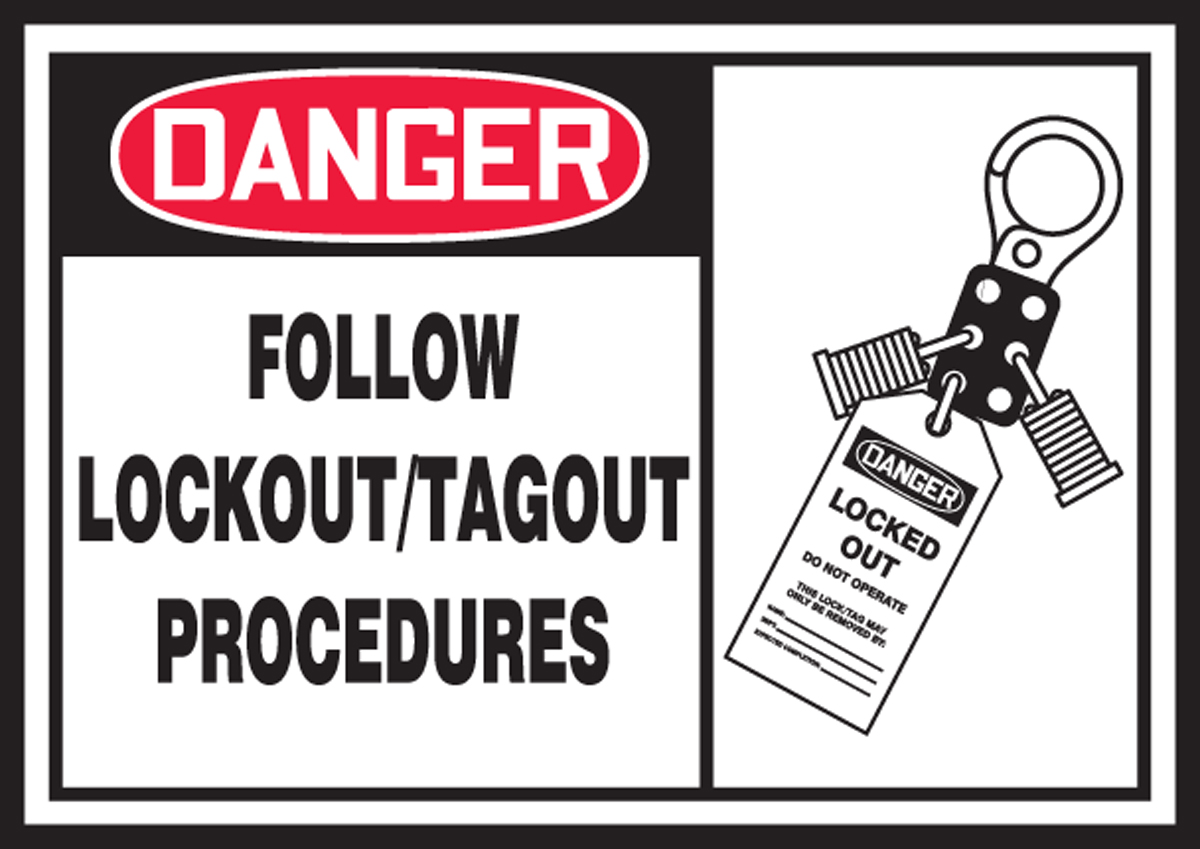
Common LOTO Violations (and How to Fix Them)
Even facilities with LOTO programs make critical errors. Here are the most common — and how to correct them:
| Violation | Risk | Solution |
|---|---|---|
| Using tagout instead of lockout when lockout is feasible | Tags can be ignored or removed | Use lockout devices wherever possible |
| Skipping energy verification | False assumption of safety | Always test for zero energy |
| Group lockout without individual locks | Accountability lost | Each worker applies their own lock |
| Incomplete written procedures | Ambiguity leads to mistakes | Create machine-specific, visual guides |
| Failing to retrain after incidents | Knowledge gaps persist | Conduct refresher training post-incident |
Pro workflow tip: Conduct monthly LOTO audits. Pick a random machine and have a safety officer observe a full procedure. Document gaps and address them immediately.
Equipment-Specific Considerations
Not all machines are the same — and neither are their LOTO needs.
- Robotic Systems: May have multiple control panels and backup batteries. Lockout must include control circuits and teach pendants.
- Conveyor Systems: Often span large areas. Lockout points should be at both ends and any drive sections.
- Hydraulic Presses: Stored energy in accumulators must be bled slowly and safely.
- Boilers and Steam Lines: Require isolation of fuel, water, and pressure systems. Allow time for cooldown.
Best practice: Develop machine-specific checklists. One automotive plant reduced maintenance time by 25% by creating laminated LOTO cards for each press line.
Re-energization: The Often-Missed Final Step
Restoring energy isn’t just removing locks. It’s a structured process:
- Confirm tools are removed and guards are reinstalled
- Ensure all employees are clear of the equipment
- Notify affected personnel that equipment will restart
- Remove locks and tags only by the person who applied them
- Return controls to neutral or off position before energizing
Critical rule: Never remove someone else’s lock without proper authorization and verification. This requires a formal “lost key” procedure involving supervisors and safety officers.
A chemical plant avoided disaster when a worker noticed a lock still in place after shift change. Investigation revealed the previous technician had left early without removing his lock. A near-miss protocol prevented startup — and potential injury.
Final Checklist: Is Your LOTO Program Compliant?
Use this quick checklist to audit your current system:
- [ ] Written procedures exist for every applicable machine
- [ ] Procedures are reviewed annually
- [ ] All authorized employees are trained and documented
- [ ] Affected employees understand LOTO basics
- [ ] Locks and tags are standardized and durable
- [ ] Zero energy verification is performed every time
- [ ] Re-energization steps are defined and followed
- [ ] Periodic inspections are conducted (at least annually)
If any box is unchecked, your program is at risk.
Stay proactive. LOTO isn’t a one-time setup — it’s a living safety system. Reassess after near-misses, equipment upgrades, or staffing changes.
Take Action Today
OSHA lockout tagout procedures aren’t bureaucratic hurdles — they’re the frontline defense against preventable tragedies. Whether you manage a warehouse, factory, or maintenance crew, now is the time to verify your procedures. Review your written plans, retrain your team, and audit a recent lockout. One oversight can cost a life. But one disciplined process can save many.
FAQ
What should you look for in OSHA Lockout Tagout Procedures: A Complete Compliance Guide? Focus on relevance, practical value, and how well the solution matches real user intent.
Is OSHA Lockout Tagout Procedures: A Complete Compliance Guide suitable for beginners? That depends on the workflow, but a clear step-by-step approach usually makes it easier to start.
How do you compare options around OSHA Lockout Tagout Procedures: A Complete Compliance Guide? Compare features, trust signals, limitations, pricing, and ease of implementation.
What mistakes should you avoid? Avoid generic choices, weak validation, and decisions based only on marketing claims.
What is the next best step? Shortlist the most relevant options, validate them quickly, and refine from real-world results.