Workers are injured every year not because machines fail—but because energy sources aren’t properly controlled. A conveyor belt stops, so a technician assumes it’s safe to clear a jam. A press cycles unexpectedly during maintenance. A valve opens, releasing steam into a supposedly isolated line. These aren’t rare accidents—they’re preventable tragedies rooted in one critical oversight: the failure to implement effective lockout tagout (LOTO) procedures.
Lockout tagout isn't just another safety checkbox. It's a systematic process designed to protect employees from the unexpected energization or startup of machinery and equipment during servicing or maintenance. More than procedure, it's a legal, ethical, and operational imperative. The importance of lockout tagout lies not in compliance alone, but in its power to stop life-altering injuries before they happen.
What Exactly Is Lockout Tagout?
Lockout tagout refers to the practice of isolating energy sources from machinery and securing them with locks and tags to prevent accidental activation. This includes electrical, mechanical, hydraulic, pneumatic, chemical, thermal, and other energy types that could pose a hazard when uncontrolled.
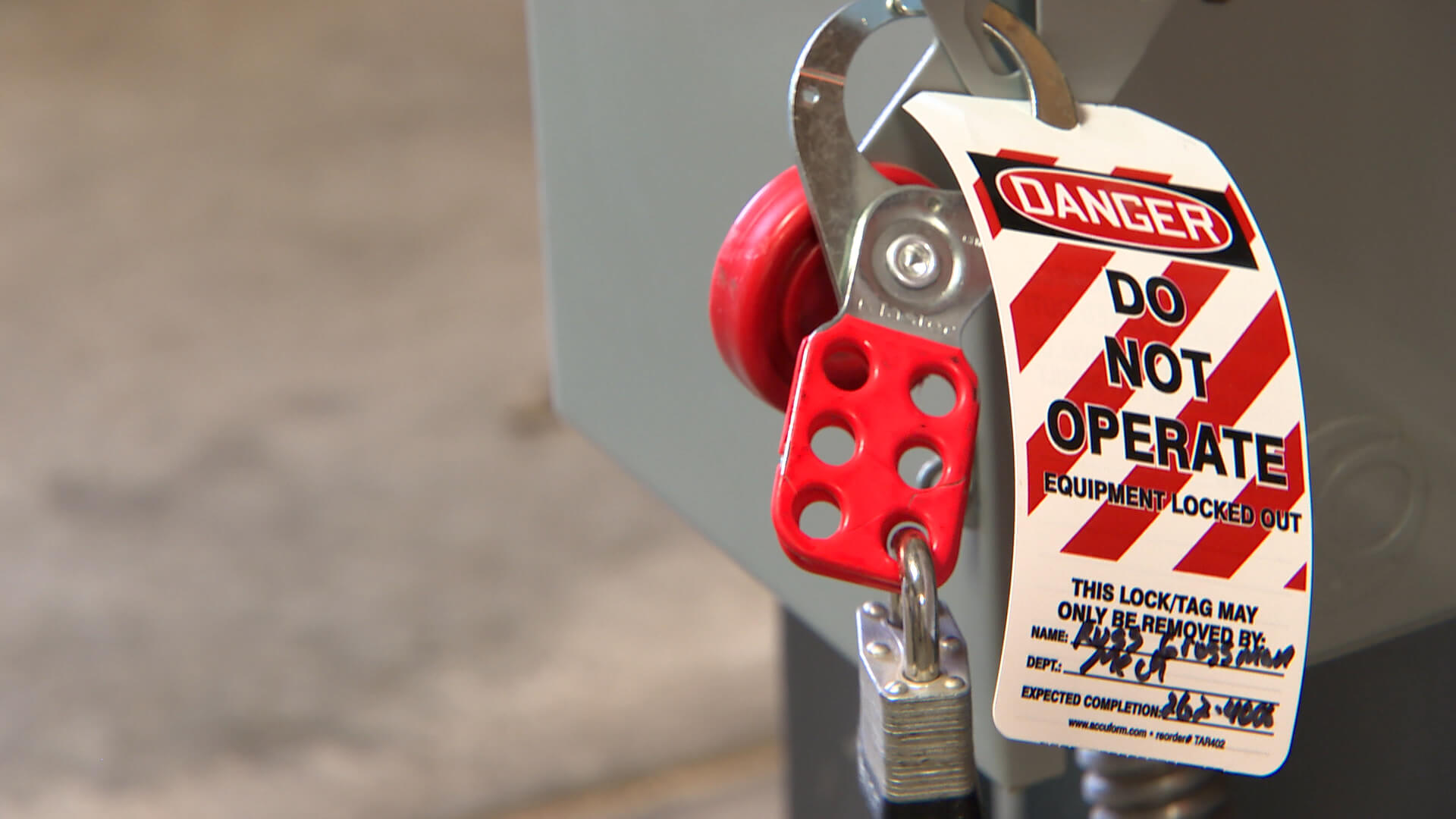
- Lockout uses a physical lock to ensure a device cannot be operated.
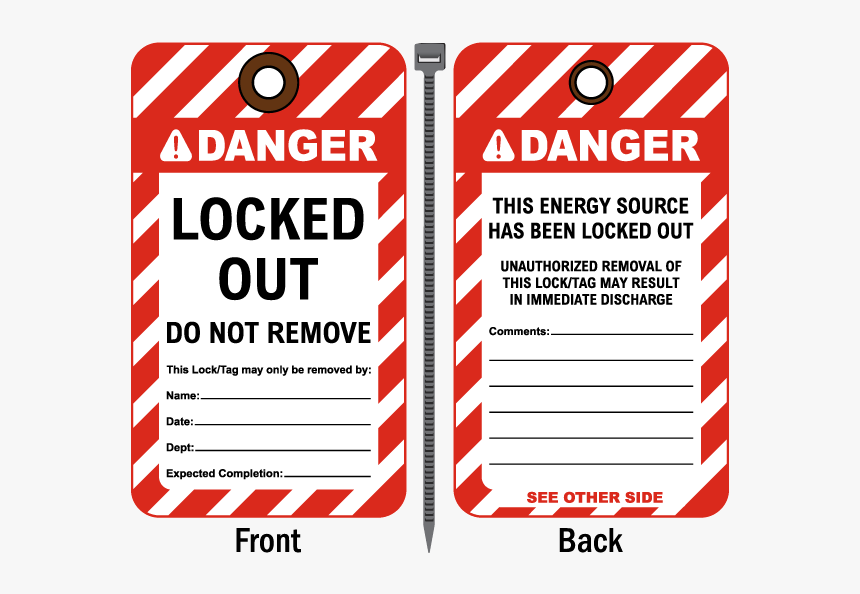
- Tagout involves attaching a warning tag that identifies who locked the system, when, and why.
Together, they form a layered defense against hazardous energy—the silent killer in many industrial settings.
- For example, when a packaging line needs blade replacement, the technician must:
- Shut down the machine,
- Isolate the power source (e.g., flip the disconnect switch),
- Apply a personal lock and tag,
- Verify zero energy before beginning work.
Without this sequence, even a momentary lapse—a coworker hitting a start button, an automated cycle triggering—can result in amputation, electrocution, or death.
The Real Cost of Skipping LOTO
Ignoring lockout tagout isn't just risky—it’s expensive and legally indefensible.
OSHA estimates that nearly 10% of serious accidents in manufacturing are linked to uncontrolled energy. The agency also reports that proper LOTO programs could prevent 120 fatalities and 50,000 injuries annually in the U.S. alone.
Consider a 2022 incident at a Midwest food processing plant. A maintenance worker entered a sifter to clear a blockage. The machine wasn’t locked out. A supervisor restarted the line remotely, unaware someone was inside. The result: fatal crushing injuries. OSHA fined the company over $300,000 and cited a complete breakdown in energy control procedures.
Beyond the human toll, financial consequences include: - OSHA penalties (up to $156,259 per violation for willful or repeated offenses), - Workers’ compensation claims, - Downtime and lost productivity, - Reputational damage and loss of client trust.
One accident can cost millions. A proper LOTO program costs pennies in comparison.
How Lockout Tagout Protects Every Worker
LOTO doesn’t just protect maintenance personnel. It safeguards: - Equipment operators, - Cleaners and janitorial staff, - Contractors and temporary workers, - Anyone near machinery during service.
A well-implemented LOTO program creates a culture of accountability. Each worker understands that no task is urgent enough to bypass safety.

Take the case of a paper mill in Oregon. Before introducing LOTO training, they averaged two energy-related near-misses per quarter. After standardizing procedures and conducting monthly drills, incidents dropped to zero for 18 consecutive months. The change wasn’t due to new technology—it was behavioral. Workers began asking: “Is it locked out?” before approaching any equipment.
This shift reflects the deeper value of LOTO: it turns safety from passive signage into active participation.
Common LOTO Mistakes That Undermine Safety
Even organizations with LOTO policies often make errors that compromise their effectiveness.
#### 1. Using Tags Without Locks Tagout alone is insufficient unless engineering controls make lockout infeasible. Tags can be ignored, removed, or overlooked. Locks physically prevent activation.
#### 2. Group Lockout Confusion In team maintenance, multiple workers must apply individual locks to a single energy isolation point. A frequent mistake? Letting the supervisor control all locks. Each worker must use their own lock and retain the key.
#### 3. Skipping Verification Locking out isn’t enough—you must verify zero energy. That means testing circuits, bleeding lines, and ensuring residual energy (like spring tension or stored heat) is dissipated.
#### 4. Inadequate Training OSHA requires initial and annual refresher training. Yet many companies train only maintenance staff, excluding operators or contractors who may interact with locked equipment.
#### 5. Outdated Procedures Machines are upgraded, but LOTO procedures aren’t updated. A control panel relocated? A new hydraulic system installed? If the LOTO steps don’t reflect current equipment, they’re useless.
These gaps don’t just weaken compliance—they create false confidence.
Building an Effective LOTO Program: Key Components
A successful lockout tagout program isn’t about locking a switch—it’s about creating a repeatable, auditable system. Here’s what it must include:
#### 1. Energy Control Procedures (ECPs) Documented, machine-specific instructions for shutting down, isolating, locking, tagging, and verifying each piece of equipment. These should be accessible, easy to understand, and include diagrams.
#### 2. Lockout Devices High-quality locks, hasps, valve locks, plug covers, and breaker locks designed for industrial use. Keys should be individual (non-duplicable), and locks must be standardized (e.g., red for electrical, yellow for mechanical).
#### 3. Training and Authorization Two types of employees: - Authorized employees perform LOTO and must be trained in procedures and hazard recognition. - Affected employees operate or use equipment but don’t perform maintenance. They must understand the purpose of LOTO and not attempt to remove locks.
#### 4. Periodic Inspections Annual audits of each ECP, conducted by a supervisor not involved in the procedure. The inspection must verify that workers follow the written steps and understand the risks.
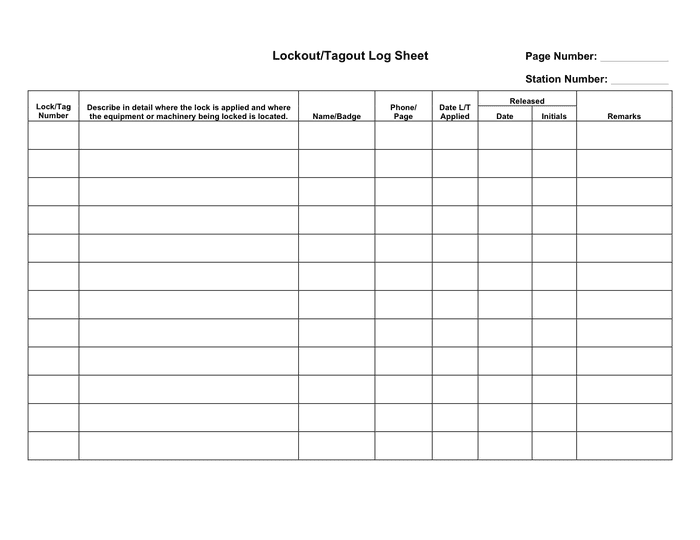
#### 5. Clear Communication Tags must include: - Employee name, - Date, - Reason for lockout, - Contact information.
No exceptions.
Industries Where LOTO Is
Most Critical
While LOTO applies across sectors, some environments face higher risks due to energy complexity or operational demands.
| Industry | Common Hazards | LOTO Impact |
|---|---|---|
| Manufacturing | Moving parts, high-pressure systems | Prevents entanglement, crushing |
| Chemical Processing | Toxic releases, thermal energy | Avoids leaks, explosions |
| Utilities | High-voltage systems, rotating equipment | Reduces arc flash, electrocution |
| Mining | Heavy machinery, conveyor systems | Stops unexpected startups |
| Food & Beverage | Mixers, slicers, steam lines | Protects during cleaning and repair |

In each, LOTO isn’t optional—it’s embedded in operational rhythm. A dairy plant, for instance, may perform 20 lockouts daily during sanitation cycles. Consistency prevents complacency.
The Human Factor: Why Procedures Fail
Technology and policies don’t fail—people do. The biggest threat to LOTO isn’t lack of locks, but shortcuts driven by pressure.
A technician might think: - “I’ll just reset it quickly—no need to lock out.” - “The machine is off; it won’t start by itself.” - “I’ve done this a hundred times.”
This mindset is deadly.
Behavioral safety programs help. At a steel fabrication plant, management introduced “LOTO Champions”—workers who audit peers and offer real-time feedback. They also installed visual indicators (e.g., illuminated lockout stations) to reinforce compliance. Incident rates dropped by 70% in one year.
Culture matters. When leadership models LOTO discipline, the message spreads.
LOTO in the Modern Workplace: Tools and Best Practices
Today’s operations demand smarter, more reliable LOTO execution. While the core principles remain unchanged, new tools enhance compliance.
- Recommended LOTO Enhancements:
- Smart Lockout Stations – Digital kiosks that log who locked out, when, and for how long.
- Bluetooth Locks – Enable remote verification and integrate with CMMS systems.
- LOTO Management Software – Tracks procedures, training, and audit history.
- Energy Isolation Maps – Visual diagrams showing all isolation points for complex machines.
- Lockout Kits – Portable kits with universal locks, tags, and tools for contractors.
These tools don’t replace human judgment—they support it.
One aerospace facility reduced lockout errors by 90% after introducing color-coded energy isolation maps and digital checklists on tablets. Workers followed steps more accurately, and supervisors could audit compliance in real time.
Make Lockout Tagout Part of Your Safety DNA
The importance of lockout tagout isn’t measured in compliance audits—it’s measured in lives protected, injuries avoided, and trust maintained. It’s not a one-time project, but an ongoing discipline.
Start by auditing your current procedures. Are they machine-specific? Are workers trained and verified? Are inspections documented? If any answer is no, act now.
Train every employee—not just mechanics. Post clear signage. Use lockout drills as routine practice. Empower workers to stop work if LOTO isn’t followed.
Because when the unexpected happens—when a machine starts, a valve opens, or a circuit energizes—the only thing standing between danger and safety is a lock, a tag, and the decision to use them.
What is the primary purpose of lockout tagout? The primary purpose is to protect workers from the unexpected release of hazardous energy during equipment servicing or maintenance.
Who is responsible for implementing LOTO procedures? Authorized employees—those trained and responsible for locking out machinery—are responsible, but all workers must understand and respect the process.
Can tagout be used instead of lockout? Only when a lock cannot be physically applied. Tagout alone is less secure and requires additional safety measures.
How often should LOTO procedures be reviewed? OSHA requires that each energy control procedure be inspected at least annually.
What qualifies as hazardous energy? Electrical, mechanical, hydraulic, pneumatic, chemical, thermal, and gravitational energy sources that can cause injury if uncontrolled.
Do contractors need LOTO training? Yes. Any worker servicing equipment, including contractors, must be trained in the site’s LOTO procedures.
What should a LOTO tag include? The worker’s name, date, reason for lockout, and contact information.
FAQ
What should you look for in Why Lockout Tagout Is Non-Negotiable for Workplace Safety? Focus on relevance, practical value, and how well the solution matches real user intent.
Is Why Lockout Tagout Is Non-Negotiable for Workplace Safety suitable for beginners? That depends on the workflow, but a clear step-by-step approach usually makes it easier to start.
How do you compare options around Why Lockout Tagout Is Non-Negotiable for Workplace Safety? Compare features, trust signals, limitations, pricing, and ease of implementation.
What mistakes should you avoid? Avoid generic choices, weak validation, and decisions based only on marketing claims.
What is the next best step? Shortlist the most relevant options, validate them quickly, and refine from real-world results.