Power doesn't warn before it kills. A single moment of oversight near live electrical systems can result in severe injury or death. That’s why lockout tagout electrical safety isn’t just a compliance checkbox—it’s a frontline defense for workers exposed to hazardous energy sources. Across industries, from manufacturing plants to utility substations, the correct application of Lockout/Tagout (LOTO) procedures saves lives every day.
Despite widespread awareness, electrical incidents still occur—often due to incomplete lockout practices, poor training, or complacency. This article breaks down what makes LOTO effective for electrical systems, common pitfalls teams face, and how to build a reliable, enforceable process.
Why Lockout Tagout Is Non-Negotiable for Electrical Systems
Electrical energy poses unique risks: arc flashes, electrocution, and fire hazards can happen in milliseconds. Unlike mechanical systems, electricity leaves no room for partial control—either it’s fully isolated, or it’s dangerous.
The core purpose of lockout tagout in electrical safety is to de-energize circuits and prevent accidental re-energization during maintenance, repair, or servicing. According to the U.S. Department of Labor, failure to control hazardous energy accounts for nearly 10% of serious accidents in industries. Electrical incidents are disproportionately represented in these statistics.
Consider a real-world scenario: An electrician opens a control panel to troubleshoot a malfunctioning conveyor motor. The upstream breaker is switched off but not locked out. A coworker, unaware of the work in progress, restores power to clear a production delay. The result? Direct exposure to 480V. This situation is preventable with proper LOTO.
OSHA standard 29 CFR 1910.147 mandates that all machines and equipment capable of being locked out must use a documented energy control procedure. For electrical systems, this means more than just flipping a switch—it requires verification, isolation, and physical securing of energy sources.
How Lockout Tagout Works: The 6-Step Process for Electrical Safety
A successful LOTO procedure follows a strict sequence. Deviations increase risk. Below is the industry-standard six-step framework tailored for electrical systems:
- Preparation
- Identify all energy sources powering the equipment. For electrical systems, this includes main feeds, backup generators, capacitors, and even secondary circuits like control relays.
- Notification
- Inform affected employees that maintenance will begin and equipment will be shut down. Miscommunication here leads to accidental re-energization.
- Shutdown
- Turn off the equipment using normal stopping procedures. Never assume shutdown equals safety.
- Isolation and Lockout
- Physically disconnect power at the source—typically via circuit breakers, disconnect switches, or pull-out fusible units. Apply a lock and tag to each isolation point. Each worker involved must use their personal lock.
- Control of Stored Energy
- Electrical systems store energy in capacitors, batteries, or magnetic fields. These must be discharged and verified de-energized using a voltage tester rated for the system.
- Verification of Isolation
- Attempt to restart the equipment (safely) to confirm zero energy. Use a multimeter or voltage detector to test conductors. This step is critical—never skip it.

One common mistake: workers lock out only the main disconnect but ignore secondary power sources like UPS systems or backup lighting circuits. In one incident at a packaging facility, a technician was shocked by a 120V control circuit still live despite the main disconnect being locked out. The root cause? An overlooked branch circuit fed from a separate panel.
Real-World Examples of LOTO in Electrical Maintenance
Understanding LOTO isn't just theoretical—it's applied daily in high-risk environments.
Example 1: Transformer Maintenance in a Substation Before servicing a pad-mounted transformer, an electrical team follows LOTO by: - Opening and locking out the primary and secondary disconnect switches - Grounding all phases to dissipate residual charge - Testing each phase with a live-line detector - Applying individual locks for each technician on-site
This layered approach ensures no single point of failure compromises safety.
Example 2: Replacing a Motor Starter in a Pump Station A maintenance crew replaces a burnt-out motor starter. They: - Shut down the pump via SCADA - Walk to the local disconnect and open it - Apply LOTO devices to the disconnect and control panel - Test for voltage at the starter terminals - Confirm zero energy before removing components
In both cases, the sequence prevents catastrophic outcomes. But these procedures only work if every worker follows them—no exceptions.
Common LOTO Failures and How to Avoid Them
Even experienced teams make critical mistakes. These recurring issues compromise lockout tagout electrical safety:
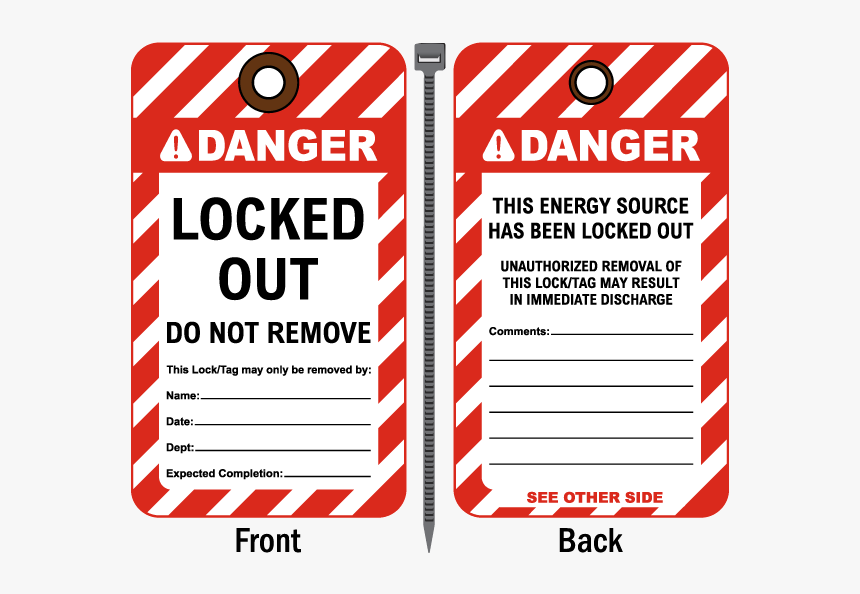
1. Using Tags Without Locks Tags are warnings, not barriers. They can be removed. OSHA allows tag-only use only if a lock is not feasible—and even then, requires additional safety measures. Relying solely on tags is a red flag.
2. Group Lockout Confusion In team maintenance, a single lockbox system is used. But if one worker removes their lock prematurely, the entire system fails. Best practice: use a group lockout station where each worker applies their lock to the main disconnect, and no one removes a lock until all work is complete.
3. Skipping Stored Energy Control Capacitors in VFDs or power factor correction panels can hold lethal voltage for hours. Always discharge and verify, even if the system has been off for days.
4. Inadequate Training Authorized employees must understand how to identify energy sources, apply locks, and verify isolation. Affected employees (those who operate but don’t service equipment) need awareness training to avoid disrupting LOTO.
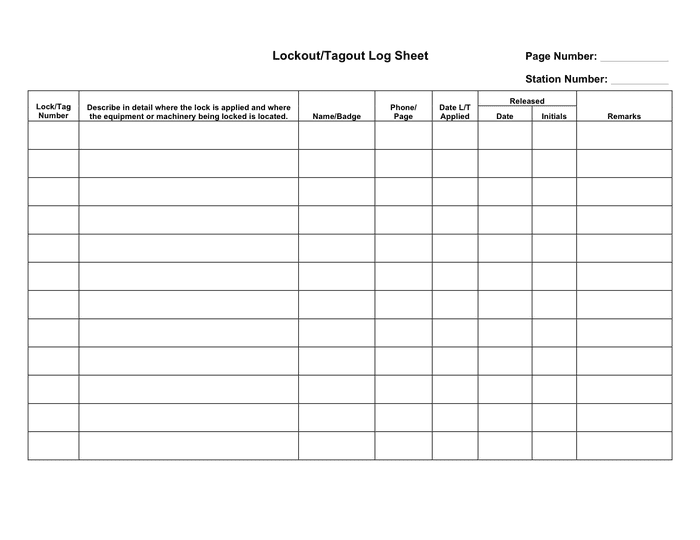
5. Poor Documentation Every machine or electrical panel should have a written LOTO procedure. Without it, workers improvise—often incorrectly.
A hospital in Ohio faced OSHA fines after an engineer was injured while servicing a backup generator. Investigation revealed no documented LOTO procedure existed for the generator’s transfer switch. The lack of formal process led to inconsistent practices across shifts.
Tools and Devices That Strengthen Electrical LOTO
The right tools make compliance practical and consistent. Here are five essential LOTO components for electrical safety:
| Tool | Purpose | Example Use Case |
|---|---|---|
| Padlocks with Unique Keys | Individual worker accountability | Each technician uses their own lock on a disconnect switch |
| Breaker Lockouts | Secure circuit breakers in OFF position | Used on molded-case breakers in motor control centers |
| Valve Lockout Hasps | Multi-worker isolation for single points | Five electricians working on a switchgear apply personal locks via a hasp |
| Voltage Testers (CAT III/IV Rated) | Verify zero energy | Testing phase-to-phase and phase-to-ground before work |
| Lockout Stations | Centralized storage for devices | Located near high-risk electrical rooms for quick access |
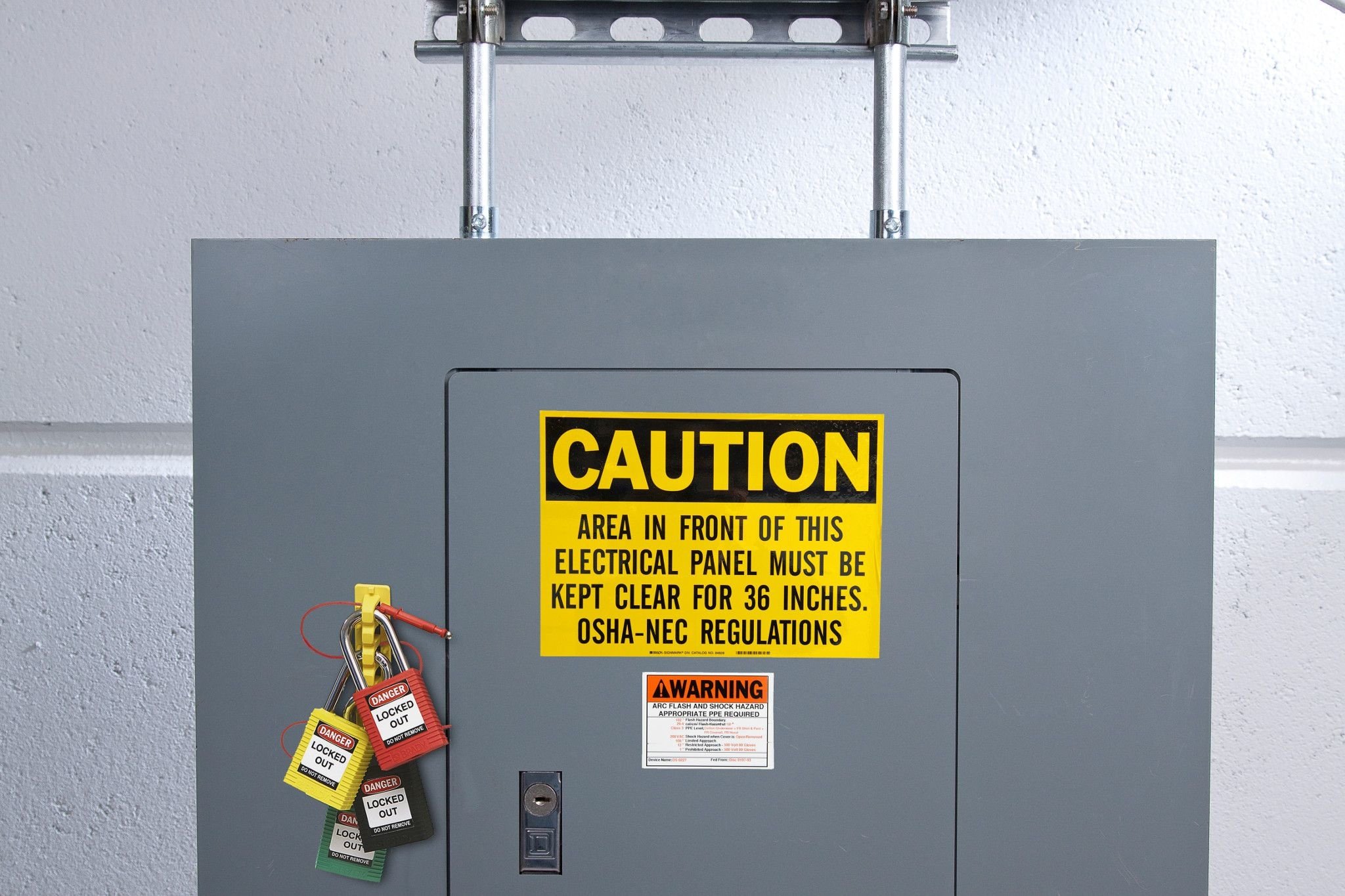
Using non-rated voltage testers or flimsy locks invites failure. Always choose devices rated for the electrical environment—especially in industrial settings with high-fault currents.
Building a Culture of LOTO Compliance
Procedures fail when safety culture is weak. Companies with fewer incidents don’t just have better forms—they reinforce behavior.
Start by appointing authorized employees—individuals trained to implement and verify LOTO. They must recertify annually and demonstrate hands-on competency.
Conduct unannounced audits. Walk through electrical rooms and check: - Are disconnects properly tagged? - Are locks still in place? - Is stored energy controlled?
One plant reduced electrical incidents by 78% over two years simply by introducing monthly LOTO audits and peer observation.
Also, encourage stop-work authority. If a technician sees a breaker unlocked during maintenance, they must feel empowered to halt operations. Leadership should reward these interventions, not question them.
Special Considerations for Complex Electrical Systems
Not all electrical environments are straightforward. High-voltage switchgear, live parts in arc flash boundaries, and redundant power feeds require enhanced protocols.
For systems with multiple energy sources (e.g., primary utility feed + backup generator), each source must be isolated and locked out independently. Use isolation diagrams posted near equipment to guide technicians.
In cases where energized work is unavoidable (per NFPA 70E), LOTO may not apply—but only after a full risk assessment and with proper PPE. Never use LOTO as a substitute for electrical safety training or arc flash mitigation.
Remote or automated systems add complexity. SCADA-controlled breakers can be opened from a control room—but without a physical lock, they can be remotely re-energized. Always verify that remote operation is disabled during LOTO.
Closing: Make LOTO a Habit, Not a Hurdle
Lockout tagout electrical safety isn’t about bureaucracy—it’s about survival. Every time a worker applies their lock, they’re making a silent commitment: This equipment stays dead until I say otherwise.
To strengthen your program: - Audit your current LOTO procedures against OSHA and NFPA 70E - Replace outdated or damaged lockout devices - Train and retrain, especially for new hires or equipment - Empower workers to enforce safety without fear
The cost of failure isn’t measured in fines alone. It’s measured in lives. Implement LOTO with rigor, consistency, and respect—and make every electrical panel a zone of zero surprises.
FAQ
What is the difference between lockout and tagout? Lockout uses physical devices to prevent energizing equipment; tagout uses warning labels. OSHA prefers lockout because it provides a physical barrier.
Can you perform electrical work without LOTO? Only if the work is minor, routine, and performed during normal operations—otherwise, LOTO is required by law.
Who is responsible for applying LOTO on electrical systems? Authorized employees trained in energy control procedures must implement LOTO.
Do control circuits need to be locked out? Yes. Control circuits (e.g., 120V relays) can cause unexpected startup and must be included in LOTO.
How often should LOTO procedures be reviewed? Annually, and whenever equipment changes or an incident occurs.
Can multiple people use the same lock? No. Each worker must use their own lock to ensure personal control over re-energization.
What happens if a lock is lost or a worker doesn’t remove it? A documented removal procedure must be followed, typically involving a supervisor and verification that the worker is clear of danger.
FAQ
What should you look for in Lockout Tagout Electrical Safety: What You Must Know? Focus on relevance, practical value, and how well the solution matches real user intent.
Is Lockout Tagout Electrical Safety: What
You Must Know suitable for beginners? That depends on the workflow, but a clear step-by-step approach usually makes it easier to start.
How do you compare options around Lockout Tagout Electrical Safety: What You Must Know? Compare features, trust signals, limitations, pricing, and ease of implementation.
What mistakes should you avoid? Avoid generic choices, weak validation, and decisions based only on marketing claims.
What is the next best step? Shortlist the most relevant options, validate them quickly, and refine from real-world results.