Every year, preventable industrial accidents occur because machinery is improperly shut down or unexpectedly energized during maintenance. The solution isn’t complicated—but it is systematic. At the heart of this protection is the lockout and tagout (LOTO) kit, a collection of devices and procedures designed to isolate hazardous energy sources and keep workers safe.
If your facility uses machines that require servicing, a lockout and tagout kit isn’t optional—it’s essential. OSHA estimates that proper lockout/tagout practices prevent 120 fatalities and 50,000 injuries annually in the U.S. alone. Yet, non-compliance remains common, often due to poor understanding, inadequate tools, or complacency.
This guide will clarify what a lockout and tagout kit is, why it matters, and how to implement one effectively in your operation.
Why Lockout and Tagout Kits Save Lives
Machines don’t distinguish between operators and maintenance staff. When a conveyor belt suddenly powers on or a hydraulic press releases stored energy, the result can be crush injuries, amputations, or worse—even if the technician believed the system was off.
Lockout and tagout kits exist to eliminate this risk. They provide the physical tools to secure energy-isolating devices (like circuit breakers, valves, or disconnect switches) and ensure no one can restart equipment until maintenance is complete.
The core principle? Zero energy state. This means all forms of energy—electrical, mechanical, hydraulic, pneumatic, chemical, thermal—are isolated and verified as inactive before any work begins.
Without a proper LOTO kit, workers rely on memory, verbal agreements, or informal procedures. These are unreliable. A well-equipped kit standardizes the process, reduces human error, and enforces accountability through individual locks and traceable tags.
What’s Inside a Standard Lockout and Tagout Kit?
A lockout and tagout kit is not a one-size-fits-all solution, but most include a combination of standardized components. These allow teams to isolate various energy types across different machines.
Common elements include:
- Padlocks – Individually assigned locks, often color-coded or numbered for easy identification.
- Lockout Hasps – Devices that allow multiple locks to be applied to a single energy-isolating point.
- Valve Lockouts – Clamps that secure valves in the closed position to stop fluid or gas flow.
- Circuit Breaker Lockouts – Covers that prevent breakers from being switched on.
- Plug Lockouts – Devices that block electrical plugs from being inserted into outlets.
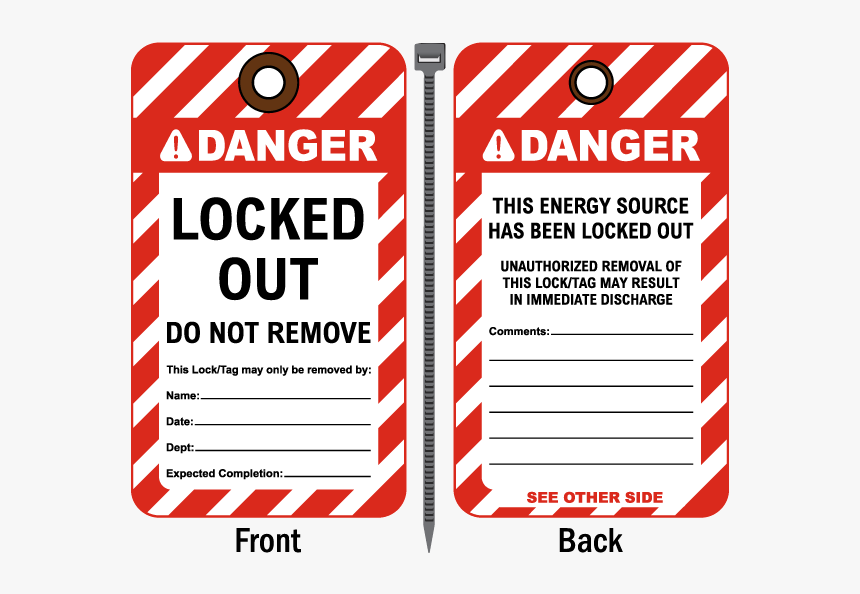
- Tagout Tags – Durable, tamper-resistant labels with space for name, date, reason, and warnings.
- Group Lockout Boxes – Centralized stations where multiple workers store their locks during complex maintenance tasks.
High-end kits may also include cable lockouts, pneumatic lockouts, or specialized adapters for industrial equipment.
Each item serves a specific purpose. For example, a single valve lockout might secure a steam line on a packaging machine, while a circuit breaker lockout ensures a robotic arm can’t receive power during repair.
Choosing the Right LOTO Kit for Your Facility
Not all kits are created equal. The right one depends on your machinery, workforce size, and regulatory environment.
Consider these factors:
1. Equipment Diversity If your plant uses a mix of electrical, hydraulic, and pneumatic systems, your kit must support all energy types. A basic electrical-only kit won’t suffice if you have pressurized lines or rotating machinery.

2. Number of Authorized Employees OSHA requires each worker performing servicing to apply their own lock. If six technicians are working on one machine, you need six padlocks—and a hasp or group box to accommodate them.
3. Environment Outdoor or high-moisture areas demand weather-resistant tags and corrosion-proof locks. In food processing plants, non-toxic, cleanable materials are a must.
4. Language and Clarity Tags should be in the primary language(s) of your workforce. Ambiguous warnings like “Do Not Operate” are better than technical jargon.
5. Compliance Needs Your kit should align with OSHA 29 CFR 1910.147, the standard for control of hazardous energy. This includes using durable tags that withstand workplace conditions and locks that can only be removed with a key.
A mismatched kit leads to workarounds. For instance, using a generic padlock without employee identification defeats the purpose of personal accountability.
Top 5 Lockout and Tagout Kits in 2024 When selecting a kit, reliability and completeness matter. Below are five reputable options, widely used across industries:
| Kit Name | Key Features | Best For |
|---|---|---|
| GRAINGER Lockout/Tagout Combo Kit | 20-piece set with locks, tags, hasps, breaker lockouts | General manufacturing |
| Master Lock 1495DAT Euro-Style Kit | Durable steel case, 12 locks, valve & breaker adapters | High-use industrial sites |
| DEWALT DWLOTO1 Portable Kit | Compact, contractor-grade, includes cable lockout | Field service and maintenance crews |
| Safeguard LOTO-3000 Complete Kit | 30+ components, group lockout box, multilingual tags | Large teams and complex systems |
| Brady Lockout Station BLPS-950 | Wall-mounted, customizable, expandable modules | Facilities wanting permanent LOTO stations |
Each of these kits supports OSHA compliance but varies in scalability and durability. The DEWALT kit, for instance, is ideal for electricians moving between job sites, while the Brady station suits factories needing centralized access.
Avoid cheap, generic kits from unknown brands. Poor-quality plastic lockouts can crack under pressure, and flimsy tags may fade or tear—creating a false sense of security.
Common Mistakes That Undermine LOTO Safety
Even with the best kit, human error can compromise safety. Here are frequent missteps:
- Using one lock for multiple workers – Each employee must apply their own lock. Shared locks remove personal accountability.
- Skipping tag details – Tags without names, dates, or job descriptions are meaningless. They should answer: Who locked it? Why? When?
- Failing to verify zero energy – Locking out isn’t enough. Workers must test circuits, relieve pressure, and confirm the machine won’t start.
- Ignoring stored energy – Springs, capacitors, and elevated parts can release energy even when powered down. These must be bled or blocked.
- Poor training – Authorized employees must understand not just how to use the kit, but why each step matters.
One real-world case: A maintenance worker in a Midwest plant was injured when a colleague removed a lock, assuming the job was done. The tag had no name or time estimate. This underscores the need for clear communication and strict procedures.
How to Implement a LOTO Program (Beyond the Kit)
A kit is just a tool. Effective lockout/tagout requires a full program.
Start with these steps:

- Inventory All Energy Sources – Walk through each machine. Identify every point where energy can enter or be stored.
- Develop Machine-Specific Procedures – For each piece of equipment, write a step-by-step shutdown and isolation process.
- Train Authorized and Affected Employees – Authorized staff perform LOTO; affected staff (like operators) need to know not to interfere with locked systems.
- Audit Periodically – Conduct at least one annual inspection to ensure compliance and catch deviations.
- Update as Equipment Changes – New machines or retrofits require new procedures.
A practical example: A bottling plant introduced LOTO after a near-miss with a filler machine. They mapped all isolation points, trained 32 technicians, and installed wall-mounted Brady kits near each production line. Within a year, LOTO compliance rose from 40% to 98%, and zero incidents were reported during maintenance.
The Cost of Skipping Proper Lockout and Tagout
Some managers view LOTO kits as an expense. In reality, they’re an investment in risk reduction.
OSHA fines for LOTO violations average $15,000 per incident. A willful or repeated violation can exceed $150,000. But monetary penalties are just the start.
More damaging are: - Downtime from preventable accidents - Workers’ compensation claims - Loss of employee trust - Reputational harm
One food processing company faced a $129,000 fine after a worker lost a finger when a mixer activated during cleaning. The investigation found no formal LOTO program and no available lockout devices.
Contrast that with a well-prepared facility: a mid-sized auto parts manufacturer spent $8,000 on LOTO kits and training. Over three years, they reduced maintenance-related incidents by 90% and avoided an estimated $500,000 in potential claims.
Final Thoughts: Safety Starts with the Right Kit
A lockout and tagout kit is more than a toolbox item—it’s a cornerstone of industrial safety culture. It turns a critical procedure into a visible, verifiable action.
Don’t wait for an incident to act. Evaluate your current LOTO readiness. Are your kits complete? Are procedures documented? Are employees trained?
Choose a kit that fits your operational reality. Install it as part of a broader energy control program. And make sure every technician knows that their lock is their lifeline.
Equip your team properly, and you’re not just complying with regulations—you’re protecting people.
Frequently Asked Questions
What is the difference between lockout and tagout? Lockout physically secures an energy-isolating device with a lock, preventing operation. Tagout uses a warning tag, but without a lock, it’s less secure. OSHA requires lockout whenever possible.
Can one person remove another’s lock? Only under strict procedures: if the worker is absent, a supervisor may remove the lock after verifying it’s safe, following a documented process.
Are LOTO kits required by OSHA? OSHA doesn’t mandate a “kit” per se, but it does require employers to provide locks, tags, and procedures to control hazardous energy—making a LOTO kit a practical necessity.
How often should LOTO procedures be reviewed? At least annually. Any time machinery is modified, procedures must be updated immediately.
Can tagout be used without lockout? Yes, but only if lockout isn’t feasible. Tagout alone requires additional safety measures, such as continuous supervision.
Who needs LOTO training? Authorized employees (those who perform servicing) and affected employees (those who operate or use the equipment).
Do LOTO tags need to be standardized? Yes. Tags must be durable, standardized in format, and include information like the employee’s name, time, and reason for lockout.
FAQ
What should you look for in What
You Need to Know About Lockout and Tagout Kits? Focus on relevance, practical value, and how well the solution matches real user intent.
Is What You Need to Know About Lockout and Tagout Kits suitable for beginners? That depends on the workflow, but a clear step-by-step approach usually makes it easier to start.
How do you compare options around What You Need to Know About Lockout and Tagout Kits? Compare features, trust signals, limitations, pricing, and ease of implementation.
What mistakes should you avoid? Avoid generic choices, weak validation, and decisions based only on marketing claims.
What is the next best step? Shortlist the most relevant options, validate them quickly, and refine from real-world results.