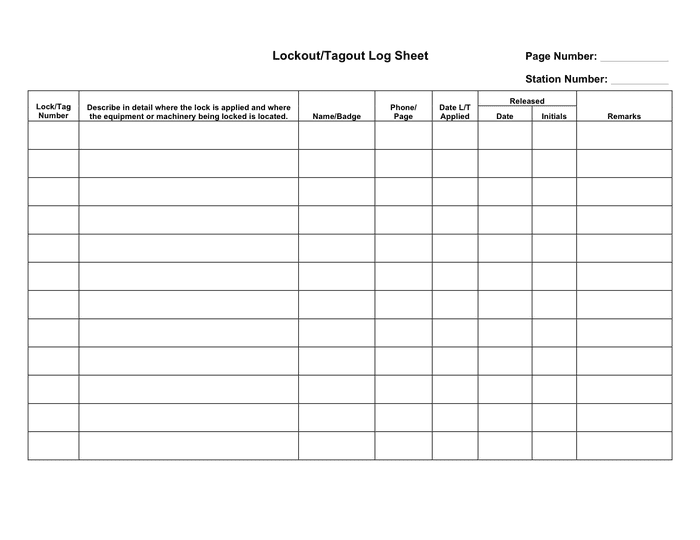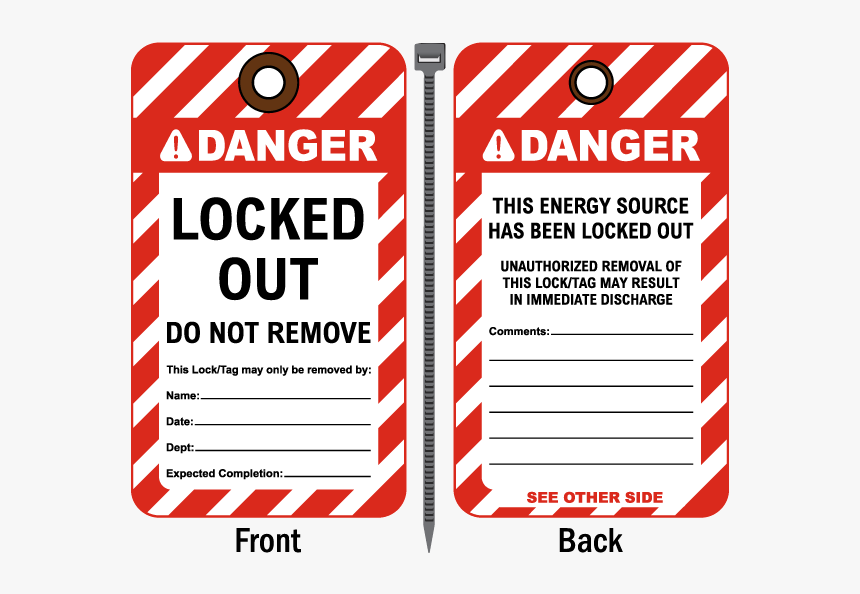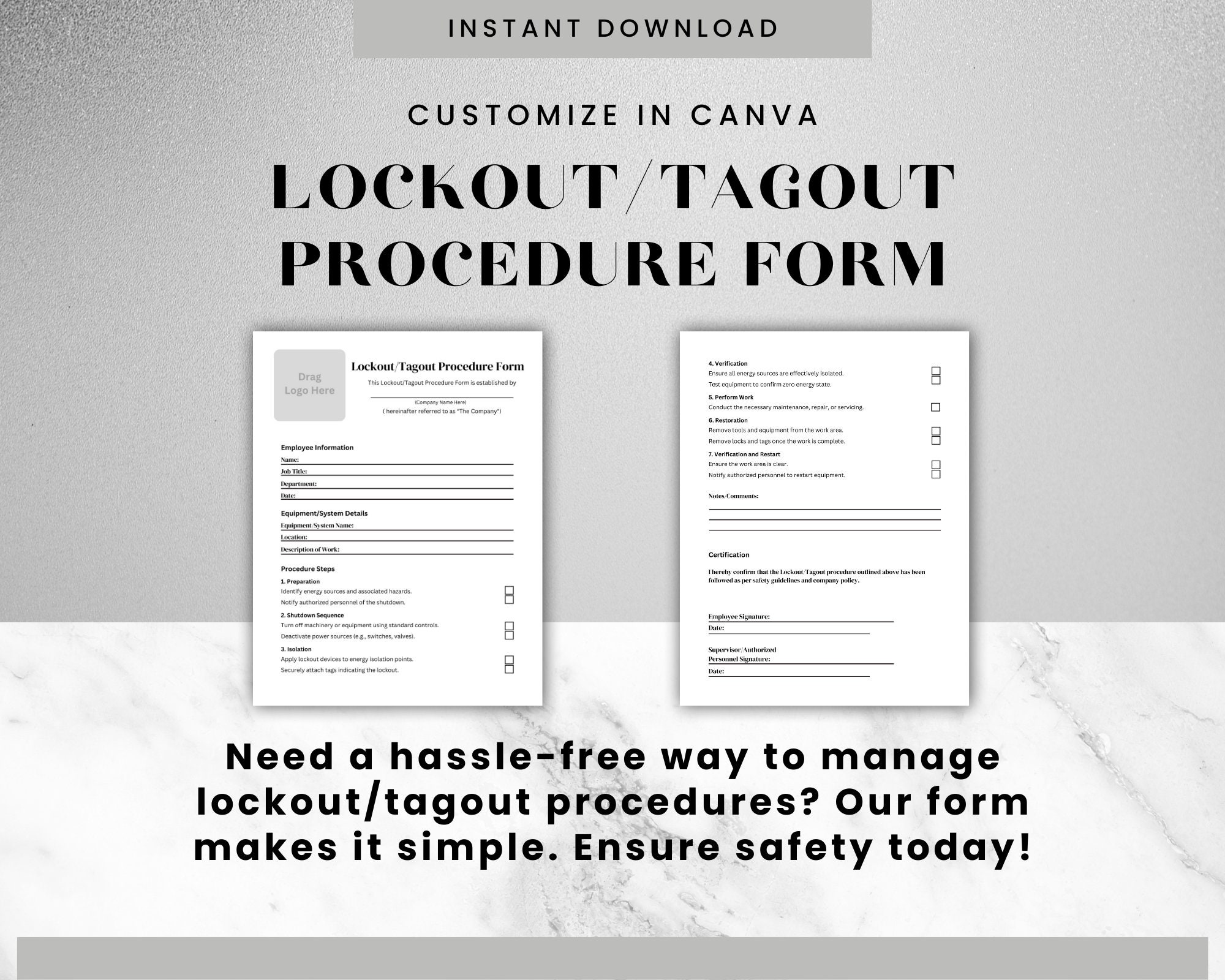
Every year, hundreds of preventable workplace injuries occur during equipment servicing—all because lockout tagout (LOTO) procedures weren’t followed correctly. At the heart of an effective LOTO program lies a simple but critical document: the lockout tagout procedure form. This isn’t just paperwork—it’s a step-by-step defense against unexpected machine startup, hazardous energy release, and serious harm. A well-structured sample lockout tagout procedure form doesn’t just satisfy OSHA; it protects your team.
But here’s the reality: most companies either use generic forms that don’t match their equipment, skip critical steps, or rely on memory instead of documentation. That’s where a reliable sample LOTO procedure form becomes essential—not as a one-size-fits-all template, but as a foundation to build tailored, actionable safety protocols.
Let’s break down what makes a sample LOTO form effective, how to use it correctly, and what pitfalls to avoid.
Why a Sample LOTO Procedure Form Is More Than a Template
A sample lockout tagout procedure form isn’t just a fill-in-the-blanks document. It’s a blueprint for controlling hazardous energy sources during maintenance, repair, or servicing. When properly adapted, it turns abstract safety policies into concrete actions.
OSHA standard 29 CFR 1910.147 requires employers to develop and implement energy control procedures. The regulation doesn’t mandate a specific form—but it does require written procedures for each machine or piece of equipment. A sample LOTO form helps meet that requirement by providing a consistent structure.
Common mistakes with sample forms: - Copying a sample verbatim without customizing for specific equipment - Omitting energy types (electrical, hydraulic, pneumatic, thermal, etc.) - Failing to include verification steps - Using vague language like “lock the machine” instead of “isolate main disconnect at panel B3”
A good sample isn’t meant to be used as-is. It’s meant to be studied, dissected, and rebuilt for your environment.
Core Sections of an Effective LOTO Procedure Form
Every strong sample LOTO form includes the same foundational components. Here’s what to expect—and why each matters:
#### Equipment Identification Clearly name the machine, its location, and any identifiers (serial number, model, etc.). This prevents confusion, especially in facilities with multiple similar units.
Example: Conveyor System #4 – Packaging Line, North Facility, Model: CNV-2200, Serial: PKG-4412
#### Energy Sources List every potential energy source. Don’t assume electricity is the only one. Many injuries happen from residual hydraulic pressure or gravity-fed mechanisms.
Common types: - Electrical - Pneumatic - Hydraulic - Mechanical - Thermal - Chemical - Gravitational
Each source must be isolated with a specific method.
#### Lockout Devices & Placement Specify the type of lockout device (valve lockout, circuit breaker lockout, hasp, etc.) and exactly where it should be applied.
Bad: “Lock out power source.” Good: “Attach padlock to breaker #7 in main electrical panel—tag with name and time.”
#### Step-by-Step Shutdown Sequence This is the action plan. Numbered steps should guide the authorized employee from normal operation to full isolation.
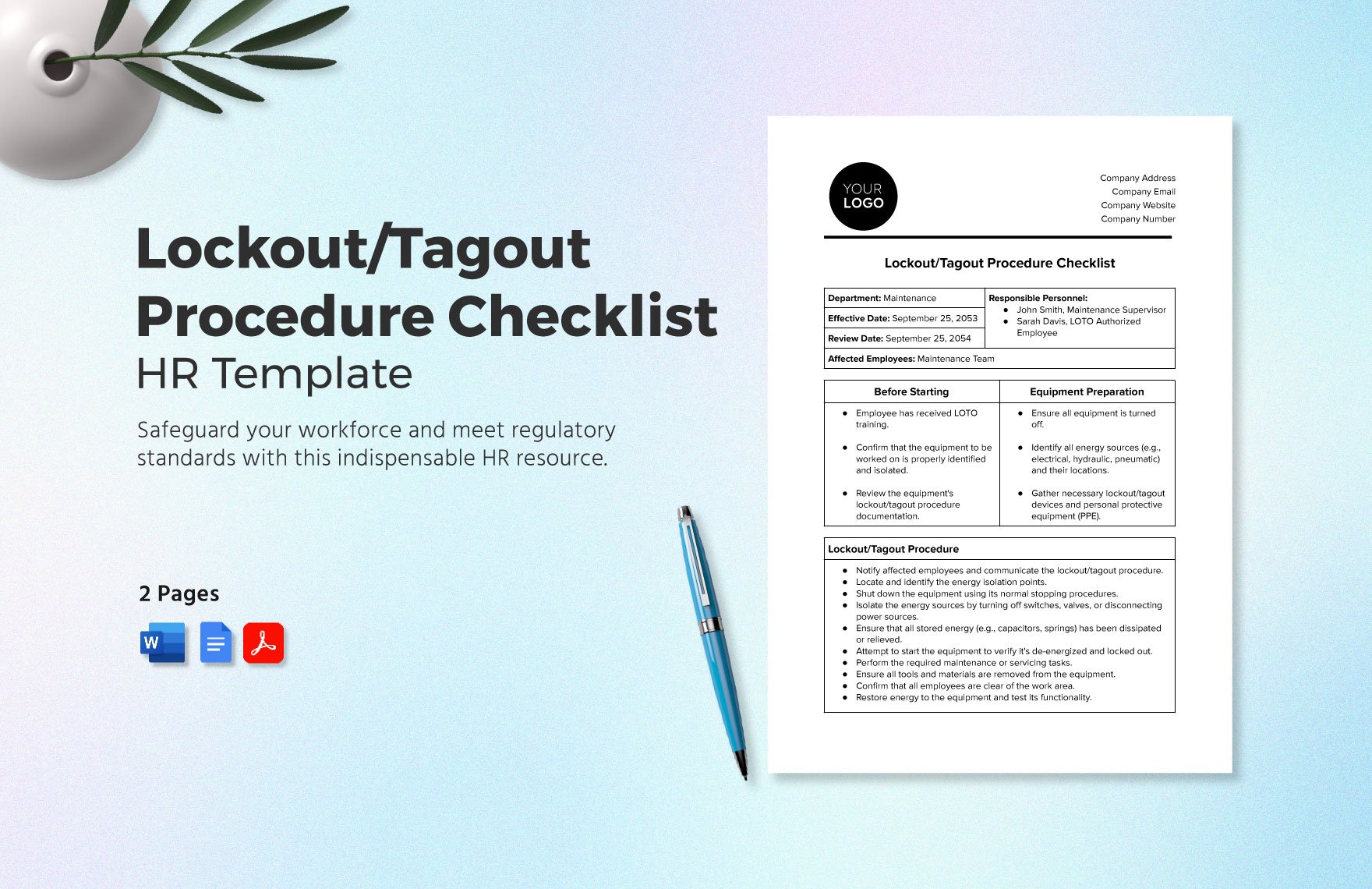
Include: - Notification of affected employees - Machine shutdown using normal controls - Isolation of each energy source - Application of locks and tags - Release of stored energy (e.g., bleeding lines, blocking parts)
#### Verification of Isolation This is where most LOTO failures happen. The form must require proof that zero energy is present.
Example: “Test emergency stop function; attempt to restart using control panel. Confirm no movement or power response.”
Verification isn’t optional—it’s the final confirmation that the machine is truly safe.
#### Removal & Restart Procedure Equally important: how to safely remove locks and return the machine to service.
Steps should include: - Ensuring all tools are removed - Verifying personnel are clear - Removing locks only by the person who applied them - Notifying affected employees before restart
Real-World Use Case: Applying a Sample Form to a Hydraulic Press
Imagine a maintenance team preparing to replace a seal on a 150-ton hydraulic press. Without a proper LOTO form, they might shut off the main power but overlook residual pressure in the accumulator—leading to sudden ram movement.
Using a customized version of a sample LOTO form, they follow these adapted steps:
- Notify all operators that maintenance is beginning
- Lower the ram to bottom position and engage mechanical lock
- Shut off main power at disconnect switch—apply lockout device
- Close and lock hydraulic isolation valve—install valve lock
- Open pressure relief valve to bleed system
- Attempt to cycle machine—confirm no movement
- Tag all lockout points with name, date, and reason
Only after all steps are verified does the team begin work. The form ensures nothing is missed—even steps that aren’t obvious.
Common Gaps in Sample LOTO Forms (And How to Fix Them)
Not all sample forms are created equal. Many online templates are outdated or too generic. Watch for these weaknesses:
| Gap | Risk | Fix |
|---|---|---|
| Missing energy type list | Technician overlooks pneumatic lines | Add dropdown or checklist for energy sources |
| No verification step | False assumption of safety | Include “test for zero energy” as mandatory |
| Vague device descriptions | Wrong lock used, or incorrect location | Specify exact lock type and placement |
| No employee roles defined | Unauthorized removal of locks | Define “authorized” vs. “affected” employees |
| No training acknowledgment | Untrained staff perform LOTO | Add signature block for training verification |
A strong sample accounts for these gaps. If it doesn’t, revise it before deployment.
How to Customize a Sample LOTO Form for Your Facility
Start with a reliable sample, then tailor it. Follow this workflow:
- Audit your equipment – Walk through each machine and identify energy sources
- Map isolation points – Take photos of disconnects, valves, and lockable components
- Draft one procedure – Use the sample form as a guide to build your first real LOTO procedure
- Test it live – Have an authorized employee perform the LOTO using the form—time it, note confusion
- Revise and train – Adjust language for clarity, then train all relevant staff
- Review annually – Update procedures when equipment changes

Pro tip: Use QR codes on machines that link to digital versions of their LOTO forms—accessible via smartphones or tablets on the floor.
Digital vs. Paper LOTO Forms: What Works Best?
While paper forms are still common, digital solutions are gaining traction—especially in larger or regulated environments.
| Factor | Paper Forms | Digital Forms |
|---|---|---|
| Accessibility | Can be lost or damaged | Cloud-based, always available |
| Updates | Hard to revise across copies | Instant updates |
| Compliance tracking | Manual logging | Automated audit trails |
| Training integration | Separate | Can embed videos or checklists |
| Field usability | No device needed | Requires tablet or phone |
For most small to mid-sized operations, paper forms with clear templates and regular audits work fine. For complex facilities or multi-site companies, digital platforms offer better control and reporting.
5 Reliable Sources for Sample LOTO Procedure Forms
While you’ll need to customize any form, these sources provide solid starting points:
- OSHA Website – Offers basic LOTO procedure examples aligned with 1910.147
- NIOSH Publications – Research-backed templates with risk assessment integration
- EHS Daily Advisor – Industry-specific samples (manufacturing, labs, HVAC)
- Lockout Tagout.com – Free downloadable forms with device guides
- SafetyCulture (iAuditor) – Editable digital templates with mobile app support
Choose a sample from a trusted source, then adapt it ruthlessly to your needs. Never assume a free PDF is ready to use.
Final Checklist: Is Your LOTO Form Ready?
Before deploying any sample-based form, verify it includes:
✅ Exact equipment identification ✅ All energy sources listed ✅ Specific lockout device types and locations ✅ Numbered shutdown steps ✅ Stored energy release instructions ✅ Verification of zero energy ✅ Clear lock removal and restart process ✅ Authorized employee signature line ✅ Review and revision date
If any item is missing, revise the form. One missing step can invalidate the entire procedure.
A sample lockout tagout procedure form is only as good as its execution. Use it not as a compliance checkbox, but as a living tool that guides real people through high-risk tasks. Customize it, test it, train on it, and audit it. When done right, it’s not just a document—it’s a culture of safety in written form.
Start with a strong sample. Finish with a system that protects your people every single day.
FAQ
What should a lockout tagout procedure form include? It must list equipment details, energy sources, shutdown steps, lockout points, verification methods, and restart procedures.
Can I use a generic LOTO form for all machines? No. Each machine requires a unique procedure based on its energy sources and isolation points.
Who is responsible for completing the LOTO form? Authorized employees trained in energy control must develop and follow the procedure.
How often should LOTO procedures be reviewed? Annually, or whenever equipment, processes, or personnel change.
Are digital LOTO forms OSHA-compliant? Yes, as long as they are accessible, secure, and include all required elements.
Do employees need to sign the LOTO form each time? Not necessarily the form itself, but lockout logs or tags should include the employee’s name and time.
Can a sample LOTO form reduce workplace injuries? Yes—when properly customized and followed, it standardizes safety and eliminates guesswork.
FAQ
What should you look for in Sample Lockout Tagout Procedure Form Explained? Focus on relevance, practical value, and how well the solution matches real user intent.
Is Sample Lockout Tagout Procedure Form Explained suitable for beginners? That depends on the workflow, but a clear step-by-step approach usually makes it easier to start.
How do you compare options around Sample Lockout Tagout Procedure Form Explained? Compare features, trust signals, limitations, pricing, and ease of implementation.
What mistakes should you avoid? Avoid generic choices, weak validation, and decisions based only on marketing claims.
What is the next best step? Shortlist the most relevant options, validate them quickly, and refine from real-world results.