A maintenance technician reaches into a jammed conveyor belt—power is off, they think. Seconds later, a startup command from a control room re-energizes the system. The result: severe injury. This isn’t hypothetical. It’s a preventable tragedy rooted in skipped safety steps. The lockout tagout (LOTO) procedure exists to stop it.
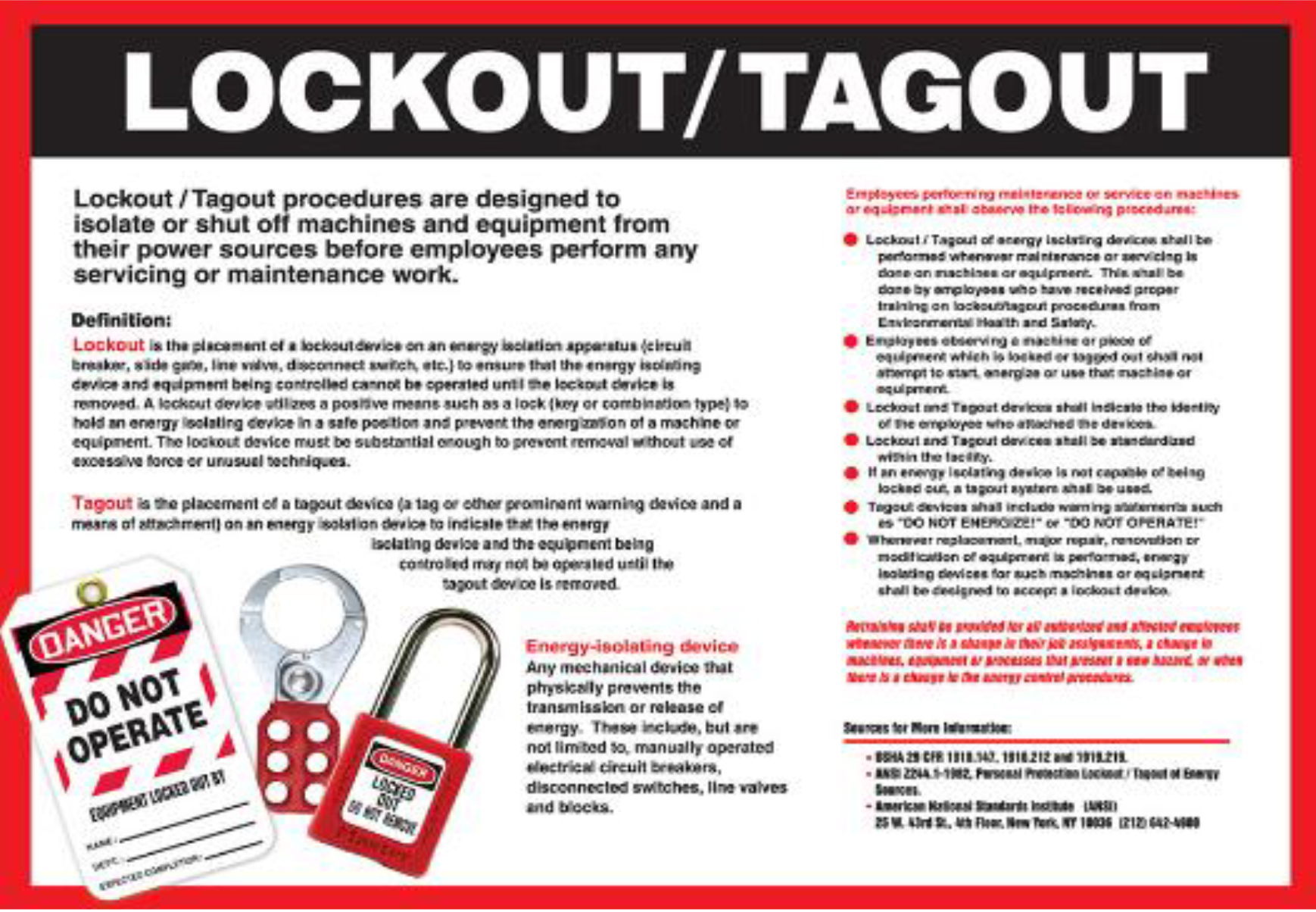
At its core, lockout tagout is a structured process for de-energizing machinery and securing it against accidental startup. But knowing the theory isn’t enough. What matters is execution—the real-world application of a LOTO procedure. This article breaks down a full lockout tagout procedure example from a manufacturing plant, highlighting practical steps, common errors, and how to get it right every time.
The Conveyor Belt Maintenance Scenario: A LOTO Procedure Example
Imagine a 24-hour packaging facility. A production line grinds to a halt when a conveyor jams due to misaligned rollers. Maintenance is called. This is a classic case for LOTO.
Here’s how the procedure unfolds in practice:
Step 1: Pre-Shutdown Notification
Before touching a single switch, the lead technician notifies operations: "Maintenance on Line 3 Conveyor—LOTO in progress." This alert ensures no one tries to restart equipment during servicing.
Why this matters: Miscommunication causes 15% of LOTO-related incidents (OSHA data). A simple radio call or log entry prevents conflicts.
Step 2: Machine Shutdown
The technician stops the conveyor using the proper control panel. They verify it’s fully stopped—not just slowed—before proceeding.
Common mistake: Assuming local stop buttons isolate energy. They don’t. Stop buttons only interrupt control circuits; they don’t cut main power.
Step 3: Identify All Energy Sources
This is where many teams fail. The conveyor isn’t just electric. It has:
- Primary electrical feed (480V)
- Pneumatic lines (compressed air for actuation)
- Gravity-driven components (product accumulation)
- Stored mechanical energy (tension in belts)
Each must be addressed. One missed source = one hazard.
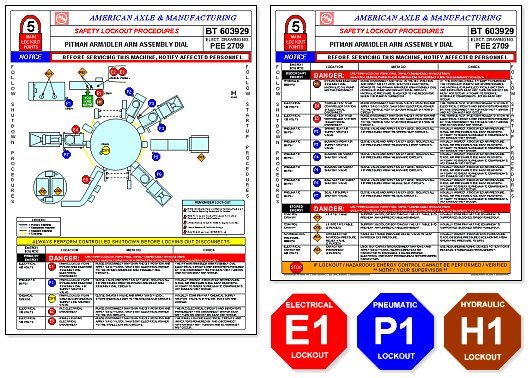
Pro tip: Use an energy source map. Draw a simple diagram during training showing every input. Hang it near the machine.
Step 4: Isolate and Lock Out
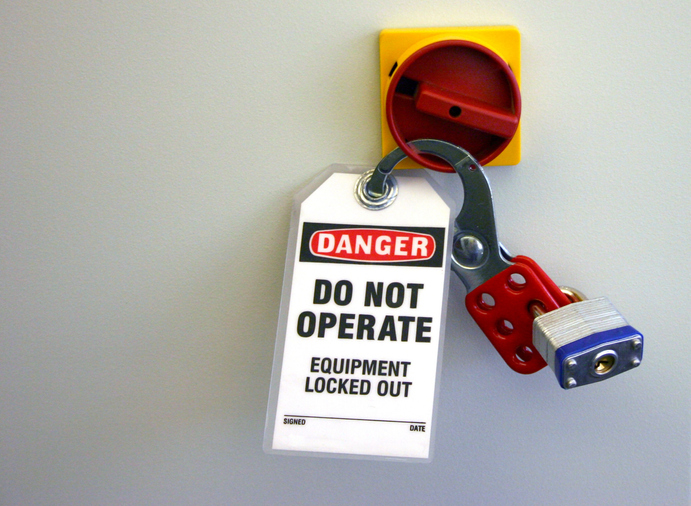
The technician flips the main disconnect switch and applies their personal lock. This is a lockout, not just turning off power.
Each energy source gets treated the same way:
- Electrical: Disconnect switch locked in “off” position
- Pneumatic: Close valve, bleed line, lock valve handle
- Gravity: Insert physical block under load-bearing parts
Only personal locks are used—no group locks without a documented group LOTO protocol.
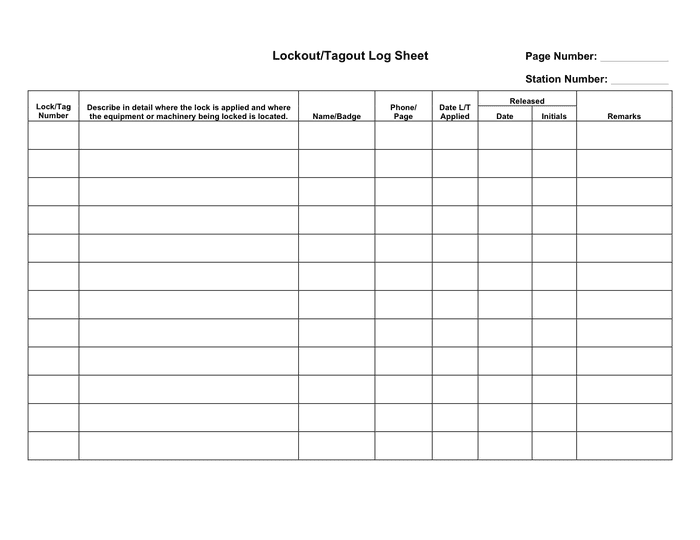
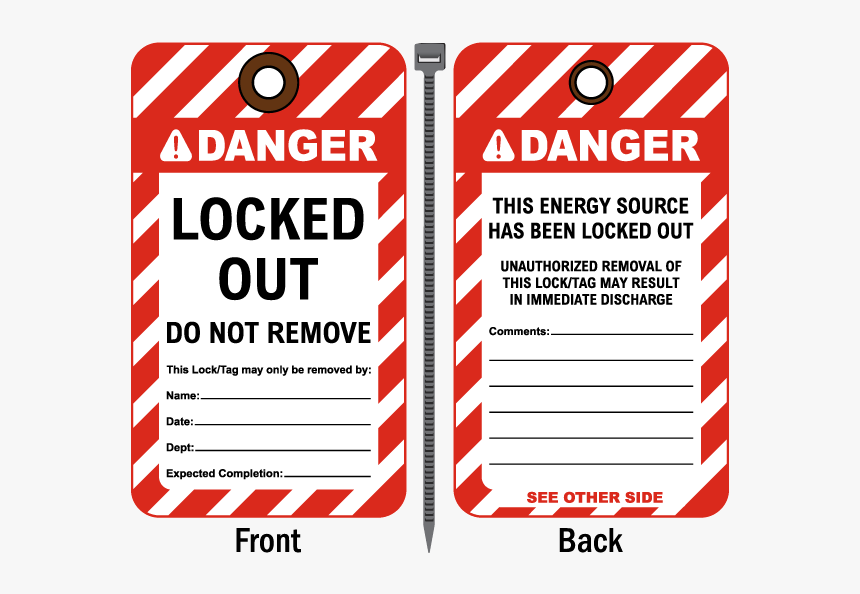
Each lock includes a tag stating:
- Who applied it
- Date and time
- Reason for lockout
- Expected completion
Step 5: Control Stored Energy
Even after isolation, danger remains. A capacitor can hold charge. A spring can release. A pressurized line can rupture.
For the conveyor:
- Technicians press the start button to verify no movement (with lockouts in place)
- They check pressure gauges—zero on pneumatic lines
- Visually confirm belts aren’t under tension
This is energy dissipation. OSHA requires it before work begins.
Step 6: Perform Maintenance
Now, safe to proceed. The technician removes guards, inspects rollers, realigns components. No rush. No shortcuts.
Step 7: Clear the Area and Remove LOTO
After repairs, they:
- Confirm tools are removed
- Ensure all workers are clear
- Reinstall guards
- Notify operations
- Remove their own lock and tag
No one else removes the lock. Personal accountability is non-negotiable.
Step 8: Restore Power and Test
With clearance given, the technician re-energizes the system and tests at low speed. Only when performance is verified does full production resume.
Why Most LOTO Procedures Fail in Practice
Even with OSHA’s 29 CFR 1910.147 in place, 50,000+ injuries occur annually due to improper machine servicing. The issue isn’t lack of rules—it’s flawed execution.
Here are the most common breakdowns:
❌ Skipping the Energy Source Inventory
Teams assume "it’s just electrical." But hydraulic presses, robotic arms, and packaging machines rely on multiple energy types. Missing one—like residual pressure—leads to violent releases.
❌ Using Tags Without Locks
Tagout alone is not enough unless the equipment lacks a lockable disconnect. Tags can be ignored. Locks physically prevent operation.
❌ Group Lockout Without Clear Leadership
In team maintenance, a common lockbox is used. But if the authorized employee doesn’t oversee each step, workers remove locks prematurely.
❌ Incomplete Verification
"Looks off" isn’t good enough. Verification means attempting to start the machine (safely) and confirming zero response.
❌ Poor Training and Documentation
New hires follow what they see, not what’s written. If the LOTO procedure isn’t documented with diagrams, photos, and checklists, consistency collapses.
Key Components of a Compliant LOTO Procedure
A real-world effective LOTO procedure isn’t a one-page PDF buried in a binder. It’s a living system. Here’s what makes it work:
Authorized vs. Affected Employees
- Authorized employees perform LOTO: trained, tested, and certified to isolate machines.
- Affected employees operate or use the equipment but don’t perform maintenance.
Only authorized staff apply locks and tags.
Written Energy Control Procedures
Every machine with more than one energy source needs a documented LOTO procedure. It should include:
- Machine name and ID
- List of energy sources
- Specific isolation points (e.g., “Main disconnect, panel 3B”)
- Step-by-step shutdown, isolation, and release instructions
- Verification method
- Required PPE
Periodic Inspections
OSHA requires annual audits. But leading plants do quarterly walk-throughs:
- Watch a real LOTO in action
- Check lock usage, tag details, energy control
- Interview technicians
- Revise procedures based on gaps
This isn’t compliance theater—it’s continuous improvement.
Common LOTO Devices and Their Proper Use
Equipment matters. Here’s how common devices fit into a real procedure:
| Device | Purpose | Correct Use Case |
|---|---|---|
| Padlock with Hasp | Secures disconnect switches | Each technician uses their own lock |
| Valve Lockout | Prevents valve operation | Used on pneumatic or hydraulic lines |
| Circuit Breaker Lock | Blocks breaker reset | For breakers not designed to accept standard locks |
| Cable Lockout | For handles or lever switches | Adjustable for various sizes |
| Tagout Tag | Warning and identification | Always paired with a lock unless no lock is feasible |
Insight: Color-coded locks help—but never rely on color alone. A red lock doesn’t stop a machine; a properly applied lock with verified isolation does.
Real-World LOTO Procedure Template (Simplified) Use this as a baseline for your own documentation:
Machine: Packaging Line Conveyor #5 Energy Sources: - Electrical: 480V, Main Disconnect Panel C - Pneumatic: 90 PSI, Valve V-12 - Mechanical: Belt tension, Roller assembly
- Steps:
- Notify supervisor and affected staff.
- Shut down via control panel HMI.
- Locate and isolate main electrical disconnect; apply personal lock.
- Close and lock pneumatic valve V-12; bleed line using vent port.
- Insert LOTO block under roller assembly to prevent movement.
- Attempt to restart machine via HMI—confirm no response.
- Begin maintenance.
- After completion, clear area, remove tools, reinstall guards.
- Notify operations.
- Remove locks in reverse order.
- Restore power and test run at 25% speed.
How to Audit Your Own LOTO Process
Don’t wait for an OSHA inspection. Test your system now:
- Pick a machine—one used daily with multiple energy sources.
- Have an authorized employee perform LOTO while you observe.
- Check:
- - Were all energy sources identified?
- - Was stored energy controlled?
- - Was verification done?
- - Were tags complete and legible?
- Interview the technician: Do they understand why each step matters?
- Revise the procedure based on what you see.
This field test exposes gaps no classroom training can.
Final Thoughts: LOTO Is a Culture, Not Just a Procedure
A lockout tagout procedure example isn’t useful if it lives only in a manual. Safety fails when it’s treated as paperwork. It wins when every technician treats their lock as their life insurance.
The conveyor belt scenario works not because of rules, but because: - Energy sources were fully mapped - Isolation was physical, not symbolic - Verification was mandatory - Accountability was personal
Your procedure doesn’t have to be perfect. But it must be followed, understood, and audited.
Start today: pull your LOTO document for one machine. Walk through it step-by-step during a shutdown. If it doesn’t match reality, rewrite it. Then train, test, and repeat.
Because the next jammed conveyor shouldn’t mean another preventable injury.
Frequently Asked Questions
What is a lockout tagout procedure example? A real-world walkthrough of how to safely de-energize and service equipment, like maintaining a conveyor system using step-by-step isolation and verification.
Can tagout be used without lockout? Only if the machine has no built-in ability to accept a lock. Otherwise, lockout is required—tags alone don’t physically prevent startup.
Who can remove a lockout device? Only the authorized employee who applied it, unless under a formal "lost key" or emergency removal protocol with documented steps.
How often should LOTO procedures be reviewed? Annually, per OSHA. Best practice is quarterly audits or any time a machine is modified.
What’s the most common LOTO violation? Failure to control all energy sources—especially stored or secondary energy like pneumatic pressure or gravity.
Do all employees need LOTO training? Affected employees need annual awareness training. Authorized employees require full, documented training with practical evaluation.
Can multiple people work on one machine under LOTO? Yes, using a group lockout box. Each technician applies their own lock. The primary authorized employee coordinates removal.
FAQ
What should you look for in Lockout Tagout Procedure Example: Real-World Safety in Action? Focus on relevance, practical value, and how well the solution matches real user intent.
Is Lockout Tagout Procedure Example: Real-World Safety in Action suitable for beginners? That depends on the workflow, but a clear step-by-step approach usually makes it easier to start.
How do you compare options around Lockout Tagout Procedure Example: Real-World Safety in Action? Compare features, trust signals, limitations, pricing, and ease of implementation.
What mistakes should you avoid? Avoid generic choices, weak validation, and decisions based only on marketing claims.
What is the next best step? Shortlist the most relevant options, validate them quickly, and refine from real-world results.