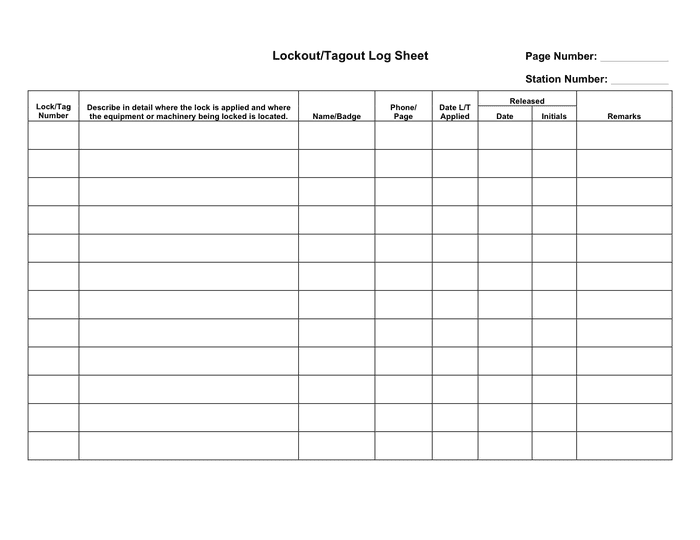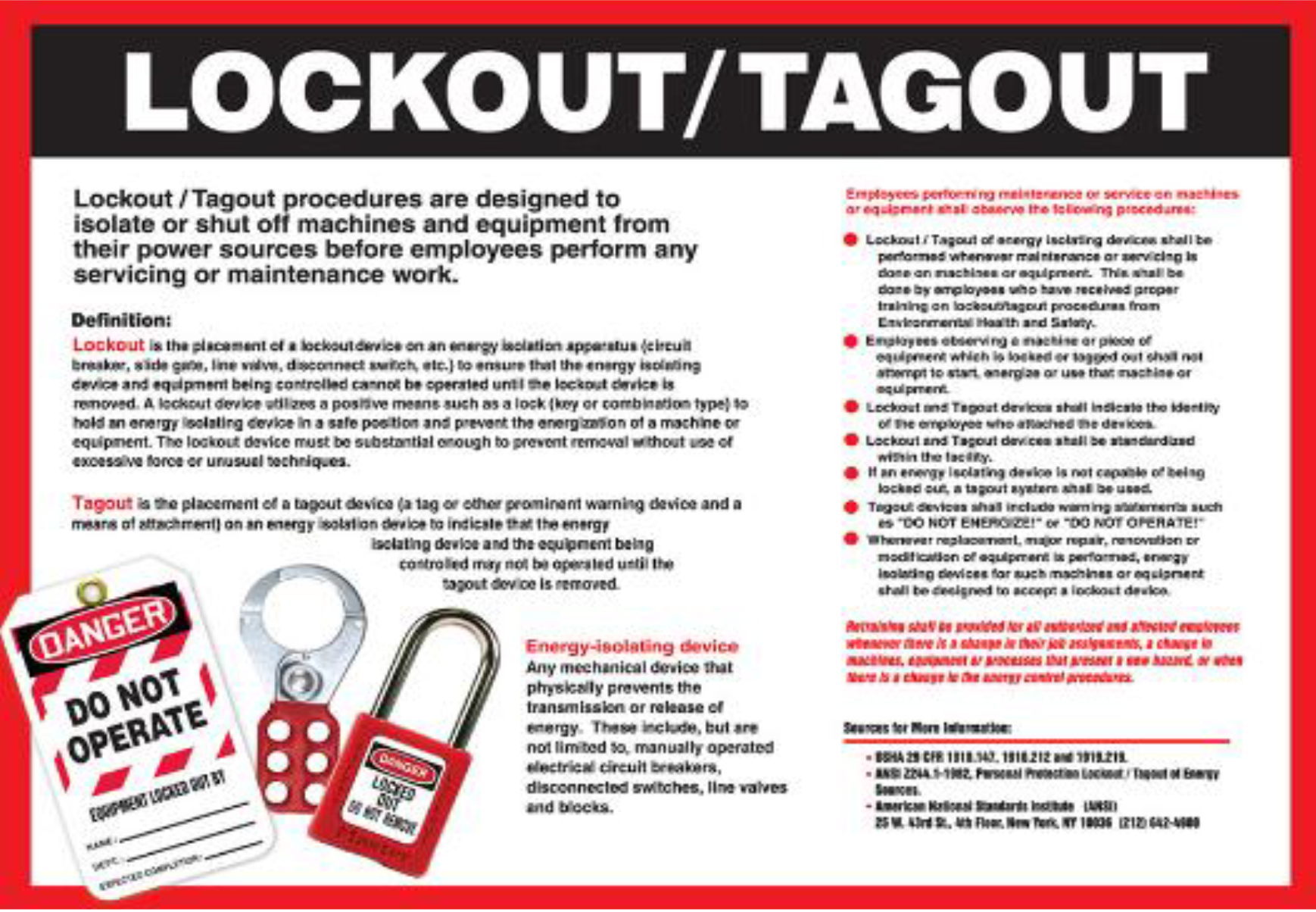
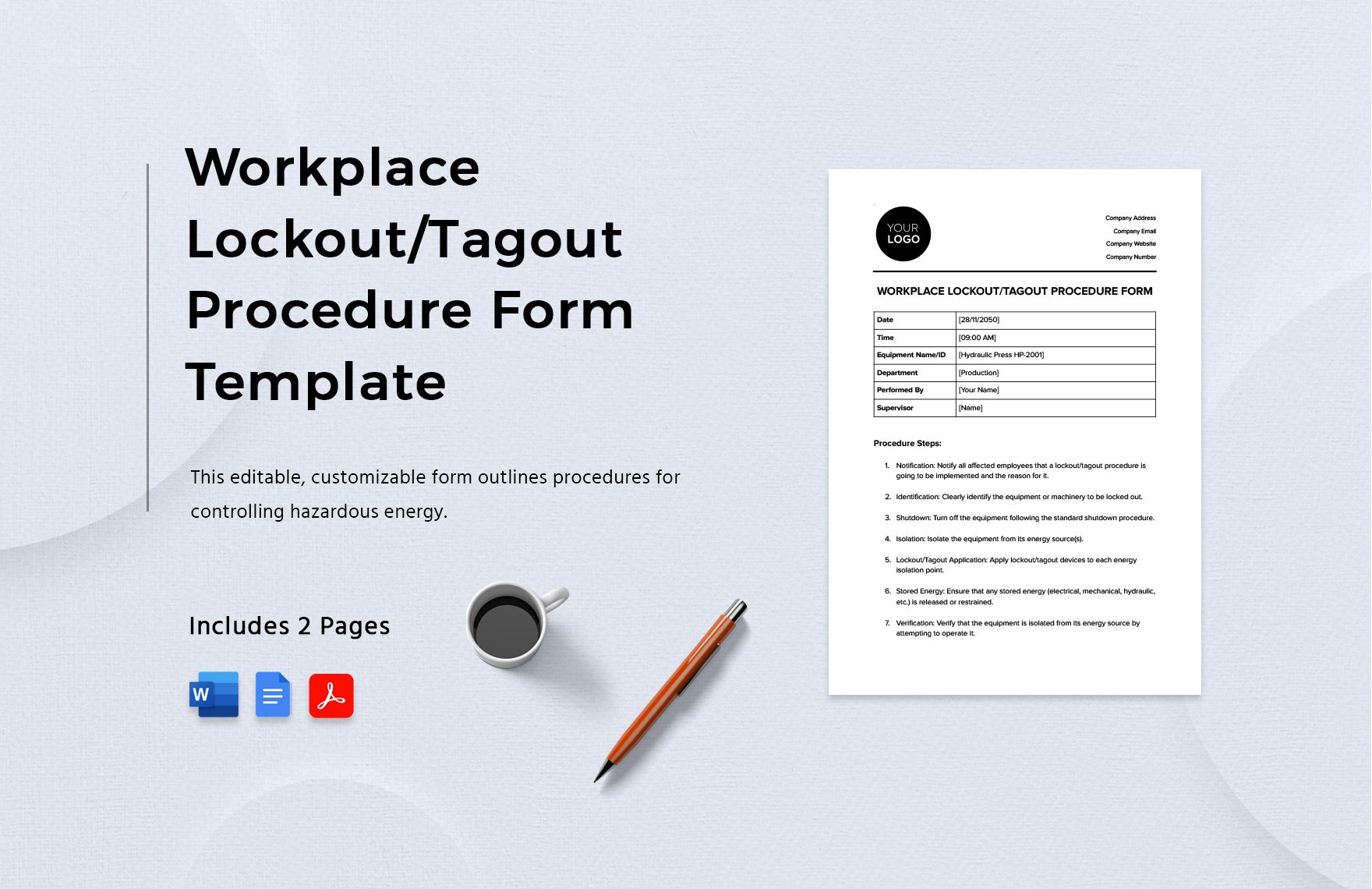
Every year, hundreds of workers are injured or killed during maintenance on energized electrical systems. The root cause? Skipping or misapplying the electrical lockout tagout procedure. A proper LOTO process isn’t just policy—it’s a life-preserving protocol backed by OSHA standards. And one of the most effective ways to implement it consistently is with a well-documented electrical lockout tagout procedure PDF.
These documents standardize safety steps, reduce human error, and serve as training tools across teams. But most freely available PDFs are either too generic or missing critical details. This guide cuts through the noise, delivering a practical framework for understanding, creating, and using an electrical LOTO PDF that actually works in real industrial and commercial environments.
Why a Standardized Electrical Lockout Tagout PDF Matters
A lockout tagout procedure PDF isn’t just a compliance checkbox. It’s a living document that bridges safety regulations and on-the-ground execution. Without it, workers rely on memory, inconsistent verbal instructions, or incomplete checklists—increasing risk during high-consequence tasks.
Electrical systems pose unique hazards: arc flashes, electrocution, and stored energy in capacitors or backup circuits. A standardized PDF ensures every technician follows the same sequence, regardless of shift, experience, or urgency.
For example, a mid-sized manufacturing plant reduced electrical incidents by 76% within a year after replacing outdated, handwritten LOTO instructions with a visual, step-by-step PDF used across tablets and printed wall guides. The key? Clarity, consistency, and accessibility.
Core Elements of an Effective Electrical LOTO Procedure PDF
Not all PDFs are created equal. A high-impact electrical lockout tagout procedure PDF must include several non-negotiable components. Use this checklist when creating or evaluating one:
1. Equipment Identification Clearly name and identify the specific electrical system or machine. Include model numbers, voltage ratings, and location. Generic labels like “Main Panel” are insufficient.
Example: “Motor Control Center #3 – 480V, Panel MB-42, North Production Floor”
2. Authorized Personnel List Specify who is trained and authorized to perform LOTO. This section should be updatable and include employee IDs or job titles.
3. Energy Source Mapping Detail every potential energy source: main power feeds, control circuits, backup batteries, capacitors, and even pneumatic or hydraulic links that could trigger electrical components.
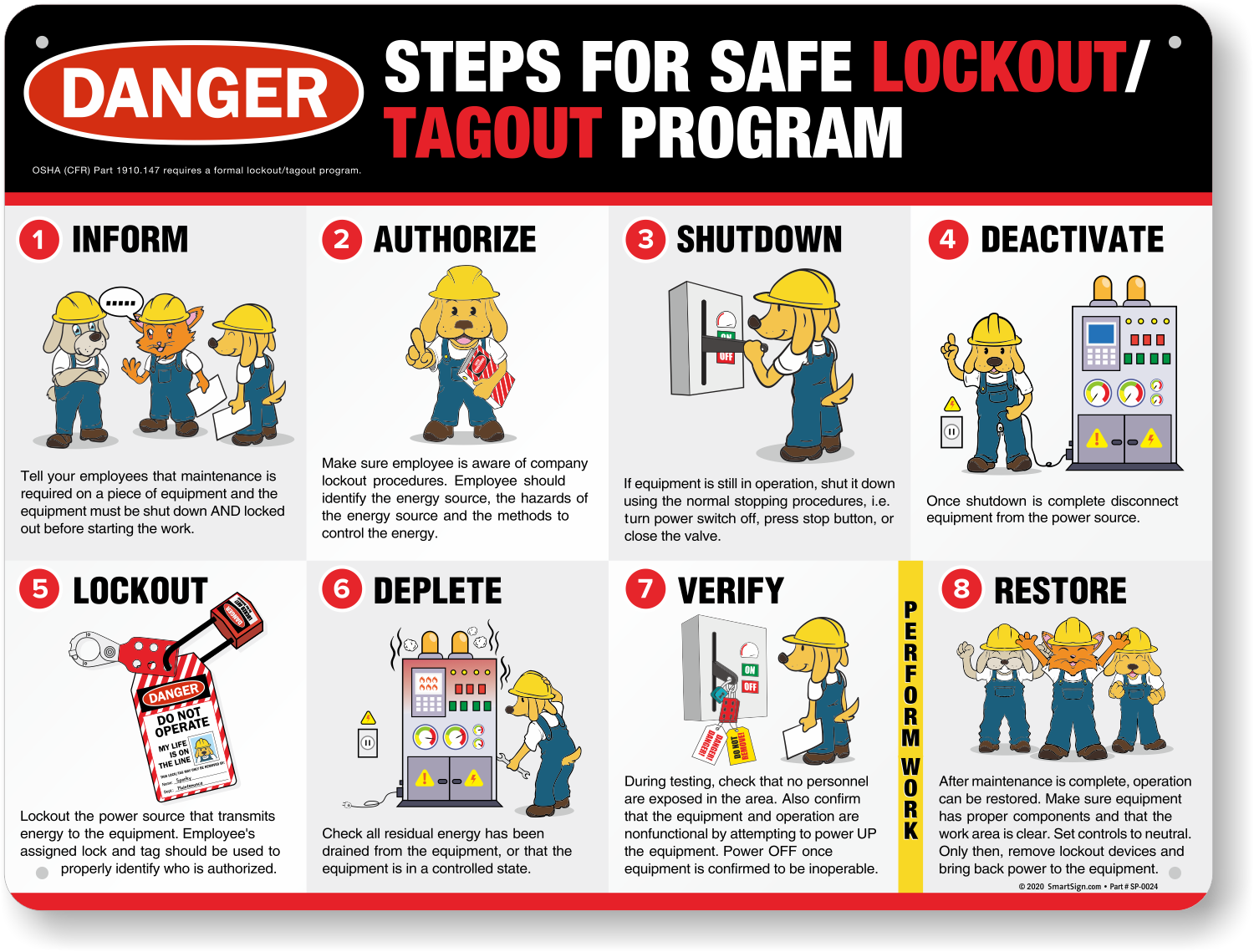
4. Step-by-Step Lockout Sequence Break down the process into numbered actions. Avoid vague language like “isolate the circuit.” Instead, say “Open breaker 4B-12 and verify off position using digital multimeter.”
5. Verification of De-Energization Include required PPE, testing methods, and a sign-off line for proving zero energy. This step must mandate use of voltage testers on all phases.
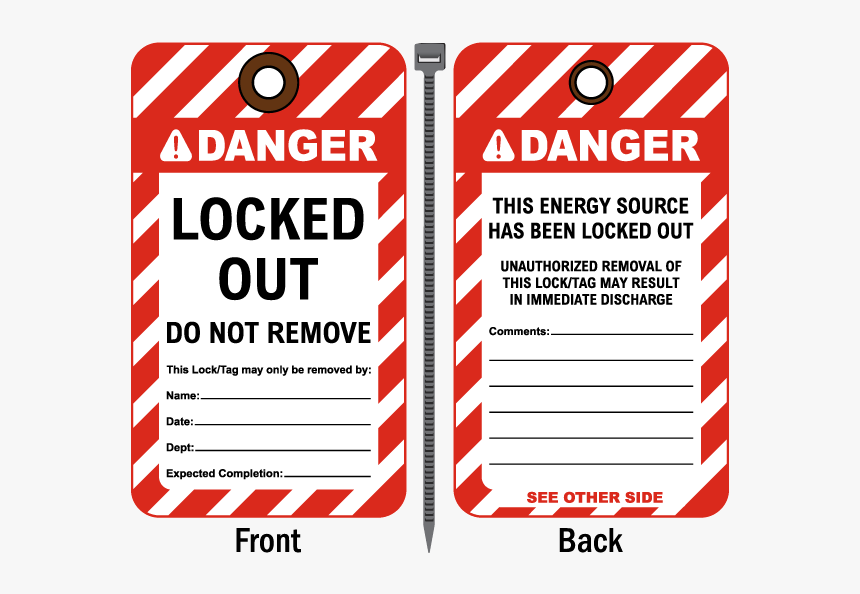
6. Tagout Requirements Define tag content: reason for lockout, date, time, and contact info. Tags should be tamper-resistant and durable.
7. Group Lockout Rules Clarify procedures for multiple workers. Use a group lockbox or hasp system, and define who holds the master key.
8. Restoration Steps Outline the re-energization process—equally dangerous if done wrong. Include clearance checks, communication protocols, and final sign-offs.
A PDF missing any of these is not compliant and increases liability.
Common Mistakes in Electrical LOTO PDFs (And How to Avoid Them)
Even safety-conscious teams make errors in their lockout documentation. Here are the most frequent pitfalls:
Using One Template for All Equipment Electrical panels, motor starters, and PLC cabinets have different risks. A single generic PDF leads to skipped steps. Create equipment-specific versions.
Omitting Stored Energy Protocols
Many PDFs cover main power but ignore charged capacitors or UPS systems. Always include bleed-down procedures and wait times.
Failing to Update After Equipment Changes A PDF written for a 200A breaker is dangerous if the panel has since been upgraded to 400A. Review and revise annually or after modifications.
Lack of Visual Aids Text-heavy documents slow comprehension under pressure. Integrate labeled diagrams, photos of lock points, and flowcharts.
No Version Control or Review Date Without revision tracking, outdated PDFs circulate. Add a “Last Reviewed” date and document ID at the top.
Fixing these issues turns a token PDF into a field-ready safety asset.
How to Create a Compliant Electrical Lockout Tagout Procedure PDF
Creating an effective LOTO PDF follows a structured process. Here’s how safety managers should approach it:
Step 1: Conduct an Energy Audit Walk through each electrical system. Identify all energy sources, isolation points, and maintenance access zones. Use a digital camera to capture lock points.
Step 2: Draft the Procedure Use clear, imperative language: “Turn off,” “Test for voltage,” “Attach lock.” Avoid passive voice.
Step 3: Add Visuals and Diagrams Insert annotated photos or circuit diagrams. For example, highlight the exact breaker with a red circle and label it “LOCK HERE.”
Step 4: Incorporate OSHA 1910.147 Requirements Ensure alignment
with:
- 1910.147(c)(4)(i): Written procedures
- 1910.147(d)(6): Verification of isolation
- 1910.147(e)(3): Employee training documentation
Step 5: Pilot Test the PDF Have two authorized employees follow the PDF during a simulated shutdown. Time the process, note confusion points, and revise.
Step 6: Distribute and Train Upload the PDF to a central safety portal. Print laminated copies for each machine. Conduct hands-on training with the document in hand.
The best PDFs are reviewed every 12 months or after any incident.
Top 5 Free Electrical Lockout Tagout Procedure PDF Templates
While custom PDFs are ideal, high-quality templates accelerate development. Here are five reliable free options:
| Template | Provider | Key Features | Best For |
|---|---|---|---|
| OSHA LOTO Standard Procedure | U.S. Department of Labor | OSHA-compliant language, basic flow | Regulatory baseline |
| Electrical Panel LOTO PDF | SafetyStore.com | Diagrams, multi-lock steps | Industrial panels |
| Machine-Specific LOTO Template | Grainger | Fillable fields, photo placeholders | Custom adaptation |
| NFPA 70E-Aligned LOTO Guide | ECC (Electrical Compliance) | Arc flash PPE integration | High-voltage systems |
| Group Lockout PDF | VelocityEHS | Master lockbox workflow | Multi-craft teams |
Note: Always modify templates to match your equipment and site conditions. Never use a template without validation.
Integrating the PDF into Daily Safety Workflows
A PDF that sits in a folder does nothing. To maximize impact, embed it into daily operations:
- Pre-Work Briefings: Open maintenance meetings by reviewing the LOTO PDF for that task.
- Digital Access: Load PDFs onto maintenance tablets or mobile apps. Use QR codes on equipment linking directly to the file.
- Training Modules: Turn the PDF into a narrated slide deck or e-learning unit.
- Audit Tool: During safety audits, ask technicians to retrieve and explain the PDF for a random machine.
One utility company prints miniaturized PDFs on durable, credit-card-sized inserts stored in technicians’ tool belts. The result? 94% faster retrieval and full compliance during surprise OSHA inspections.
Real-World Use Case: Preventing an Arc Flash Incident
At a chemical processing plant in Ohio, a maintenance technician prepared to service a 600V motor control center. Using the site’s electrical LOTO procedure PDF, he followed the steps:
- Located the specific panel using the PDF’s photo guide.
- Identified three energy sources: main feed, control circuit, and capacitor bank.
- Applied his personal lock and tag per the PDF’s checklist.
- Verified zero voltage on all phases with a CAT-IV tester.
During testing, the multimeter detected residual charge in the capacitor—missed in previous informal procedures. The PDF mandated a 5-minute discharge wait, which averted a potential arc flash when the cabinet was opened.
This incident proved that a detailed, accessible PDF isn’t just paperwork—it’s a frontline defense.
Final Recommendations for LOTO PDF Implementation
An electrical lockout tagout procedure PDF is only as strong as its execution. To ensure it delivers real safety outcomes:
- Assign ownership to a safety officer or reliability engineer.
- Store the master copy in a controlled digital system with access logs.
- Print backup copies in waterproof, tear-resistant format.
- Conduct unannounced drills using the PDF as the only instruction source.
The goal isn’t just compliance. It’s creating a culture where every technician reaches for the PDF before touching a single wire.
Download, customize, and deploy a proven template today. Then test it, revise it, and make it part of your site’s safety DNA. Because when lives depend on a procedure, the document matters as much as the action.
Frequently Asked Questions
What should be included in an electrical lockout tagout procedure PDF? It must list equipment details, authorized personnel, energy sources, step-by-step isolation, verification methods, tagout rules, and re-energization steps.
Are free LOTO PDF templates reliable? They’re a good starting point but must be customized. Never use a generic template without site-specific validation.
How often should a LOTO PDF be updated? Annually at minimum, or immediately after equipment changes, incidents, or procedural failures.
Can a PDF replace employee training? No. The PDF supports trained personnel—it doesn’t substitute for certified LOTO training.
Should LOTO PDFs include photos or diagrams? Yes. Visual aids reduce errors, especially in high-stress or complex electrical environments.
Who is responsible for creating the LOTO procedure PDF? The employer, typically through safety or engineering teams, in collaboration with maintenance staff.
Is a digital LOTO PDF compliant with OSHA? Yes, if it’s accessible to authorized employees during maintenance and part of a formal energy control program.
FAQ
What should you look for in Electrical Lockout Tagout Procedure PDF Guide? Focus on relevance, practical value, and how well the solution matches real user intent.
Is Electrical Lockout Tagout Procedure PDF Guide suitable for beginners? That depends on the workflow, but a clear step-by-step approach usually makes it easier to start.
How do you compare options around Electrical Lockout Tagout Procedure PDF Guide? Compare features, trust signals, limitations, pricing, and ease of implementation.
What mistakes should you avoid? Avoid generic choices, weak validation, and decisions based only on marketing claims.
What is the next best step? Shortlist the most relevant options, validate them quickly, and refine from real-world results.