Construction sites are unpredictable. Even with OSHA regulations, certified PPE, and rigorous training, accidents happen—often because of small oversights, poor communication, or complacency. That’s where the toolbox talk for construction becomes not just a formality, but a frontline defense.
A toolbox talk is a short, focused safety meeting—usually 10 to 15 minutes—held at the start of a shift or before a high-risk task. It’s designed to address immediate hazards, reinforce safety protocols, and engage workers in real-time risk awareness. When done right, it’s one of the most cost-effective tools a foreman or safety officer can use.
Yet, too many sites treat these meetings as box-ticking exercises: generic, repetitive, and disconnected from the day’s actual work. This article shows how to transform your toolbox talks from compliance rituals into impactful, actionable safety interventions—grounded in real construction workflows.
Why Toolbox Talks Matter on Construction Sites
Construction is the second-deadliest industry in the U.S. after transportation. According to OSHA, four hazards—falls, struck-by incidents, electrocutions, and caught-in/between—account for nearly 60% of construction fatalities. Many of these are preventable with clear communication.
Toolbox talks work because they’re:
- Timely: Address hazards specific to the day’s tasks.
- Concise: Respect workers’ time while delivering value.
- Interactive: Encourage questions and feedback.
- Documented: Create a record of safety engagement.
A study by the National Institute for Occupational Safety and Health (NIOSH) found that sites conducting regular, topic-specific toolbox talks saw a 25% drop in incident rates over six months. The impact isn’t theoretical—it’s measurable.
But only if the talk is relevant.
Imagine a crew prepping for roof work. A generic talk on “general PPE” won’t cut it. The real risk? Fall hazards, anchor point inspection, and weather-related slip risks. A focused talk on fall protection—tailored to that day’s roof section—activates awareness where it’s needed most.
Common Mistakes That Undermine Toolbox Talks
Even well-intentioned safety leaders sabotage their own efforts. Here are the most common pitfalls:
#### 1. Using the Same Script Every Week Repeating “PPE basics” or “stay alert” talks breeds disengagement. Workers tune out. Relevance is king.
Fix: Rotate topics weekly and align them with project phases.
#### 2. No Worker Participation If the supervisor does all the talking, it’s a lecture—not a talk. Engagement drops.
Fix: Ask open questions: “What’s the biggest hazard with this trench?” or “Who’s spotted a damaged harness lately?”
#### 3. No Documentation No record = no proof of compliance. In an OSHA audit, undocumented talks don’t count.
Fix: Use sign-in sheets and store completed talks by date and crew.
#### 4. Too Long or Too Vague Rambling talks or overly broad topics (e.g., “Workplace Safety”) dilute impact.

Fix: Stick to 10–15 minutes. Focus on one hazard, one task, one solution.
#### 5. Held in Poor Conditions Conducting a talk in a noisy equipment yard or driving rain undermines focus.
Fix: Choose a quiet, visible area. Use a portable canopy if needed.
How to Run an Effective Toolbox Talk: A Step-by-Step Guide
An effective toolbox talk follows a simple but structured flow. Use this template across all crews:
#### Step 1: Choose the Right Topic Match the topic to current work. Use a rotating schedule:
- Week 1: Fall protection
- Week 2: Excavation safety
- Week 3: Electrical hazards
- Week 4: Material handling
- Week 5: Confined spaces (if applicable)
#### Step 2: Prepare in Advance Don’t wing it. Use pre-written templates but customize them. Include:
- Specific hazard
- Real-world example (e.g., “Last month in Dallas, a worker fell from a scaffold with unsecured planks”)
- Control measures (guardrails, inspections, PPE)
- Worker responsibilities
#### Step 3: Gather the Crew Hold it at the start of shift. Ensure all relevant personnel are present—including subcontractors.
#### Step 4: Deliver with Engagement Speak clearly. Use visuals if possible—photos of proper vs. improper setups, diagrams, or short videos on a tablet.
Ask questions: - “Who checks ladder stability before climbing?” - “What’s the minimum distance from power lines when using a crane?”
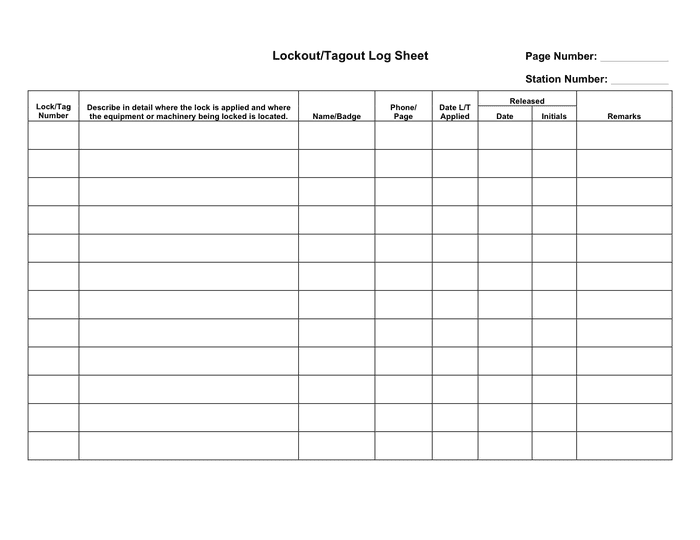
#### Step 5: Document and Follow Up Have all attendees sign a log. File the talk with the date, topic, and crew. If a hazard is identified (e.g., frayed hoist cable), log it in the safety tracker and assign follow-up.
Real-World Toolbox Talk Examples
#### Example 1: Working at Heights (Roofing Crew) Hazard: Unprotected roof edges Talk Focus: Proper use of fall arrest systems Key Points: - Anchor points must be rated and independently secured - Lanyards inspected daily for fraying - No “just reaching over” for tools Question: “Who’s responsible for double-checking harness connections?”
#### Example 2: Excavation Work Hazard: Trench collapse Talk Focus: Soil classification and shoring Key Points: - Never enter a trench deeper than 5 feet without protective systems - Look for water seepage or cracks—signs of instability - Spotter must monitor from above Question: “What would you do if you saw the wall starting to crack?”
#### Example 3: Hot Work (Welding) Hazard: Fire ignition Talk Focus: Hot work permit and fire watch Key Points: - Clear all combustibles within 35 feet - Fire extinguisher and fire watch required for 30 minutes post-weld - Permit must be visible on site Question: “Who’s assigned fire watch today?”
These aren’t hypotheticals. They reflect real incidents caught early because crews were trained to recognize red flags.
Top 5 Toolbox Talk Platforms for Construction Teams

Managing talks manually becomes chaotic on large projects. Digital tools streamline scheduling, delivery, and compliance tracking. Here are five reliable platforms:
| Platform | Key Features | Best For |
|---|---|---|
| SafetyCulture (iAuditor) | Pre-built templates, photo reports, real-time alerts | Large crews, multi-site operations |
| SiteDocs | Offline access, OSHA-aligned templates, audit trails | Union contractors, heavy civil |
| eCompliance | AI-powered insights, automated reminders, multilingual support | Enterprise-level safety programs |
| Procore Safety | Integrated with project management, mobile sign-off | Teams already using Procore |
| SafetyTek | Simple interface, voice-to-text notes, QR code check-ins | Small to mid-sized subcontractors |
Each offers customizable templates and digital sign-offs—critical for audit readiness. Choose based on team size, tech stack, and reporting needs.
Integrating Toolbox Talks into Your Safety Culture
A one-off talk has limited value. The power is in consistency and integration.
Start by: - Assigning a safety lead per crew - Scheduling talks weekly (or daily on high-risk sites) - Rotating topics across a 12-week calendar - Reviewing past incidents to inform future topics
Track metrics: - Attendance rates - Number of hazards reported post-talk - Reduction in near-misses
On a high-rise project in Chicago, the safety manager introduced themed weeks—“Fall Safety Week,” “Electrical Awareness Week”—with daily micro-talks. Within two months, near-miss reporting increased by 40%, and no lost-time injuries were recorded that quarter.
That’s the ripple effect of consistent, relevant communication.
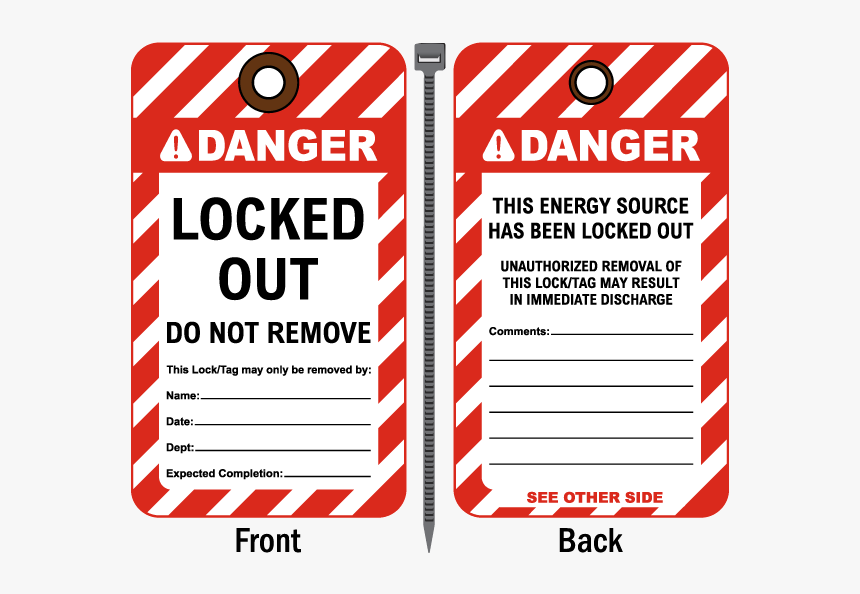
Also, involve workers in topic selection. A carpenter might suggest “scaffold plank overhang,” while an electrician flags “lockout/tagout confusion.” Their insights make talks sharper and more trusted.
Pitfalls of Over-Reliance on Toolbox Talks
Toolbox talks aren’t a cure-all. They work best as part of a broader safety system.
Common limitations: - They don’t replace training: A 10-minute talk can’t substitute for forklift certification. - They don’t fix broken equipment: Talking about ladder safety won’t help if ladders are cracked. - They depend on leadership: If supervisors skip talks or rush them, crews learn they don’t matter.
Use them as reinforcement—not as the sole safety mechanism.
Also, avoid “topic fatigue.” Talking about fall protection every other week bores people. Mix in behavioral topics like “fatigue awareness” or “mental focus on repetitive tasks.”
Closing: Make Every Talk Count
A toolbox talk is only as strong as its relevance and follow-through. The best ones don’t just inform—they engage, empower, and create accountability.
Tomorrow morning, before the crew disperses to their stations, gather them. Talk about today’s real hazard. Ask for input. Document it. Fix what’s broken.
Do that consistently, and you’re not just checking a compliance box—you’re building a culture where safety is spoken, heard, and lived.
Start small. Pick one crew. Run a 12-minute talk on ladder safety with photos of common mistakes. Get signatures. Repeat next week with a new topic.
That’s how safety momentum begins.
Frequently Asked Questions
What should be included in a construction toolbox talk? A clear hazard focus, control measures, real-world examples, worker responsibilities, and an interactive question—plus documentation of attendance.
How long should a toolbox talk last? Ideally 10 to 15 minutes. Long enough to cover the topic, short enough to maintain attention.
Who should lead a toolbox talk? A foreman, supervisor, or safety officer familiar with the day’s work and safety protocols.
Are toolbox talks required by OSHA? Not explicitly, but OSHA requires hazard communication and training. Toolbox talks serve as documented proof of daily safety engagement.
Can toolbox talks reduce accident rates? Yes—when they’re specific, consistent, and interactive. Sites with structured programs report fewer near-misses and incidents.
Should subcontractors attend toolbox talks? Absolutely. Anyone on site must be aware of current hazards and protocols. Include them in sign-in logs.
How often should toolbox talks be held? At least weekly, or daily on high-risk projects. Frequency should match project complexity and hazard level.
FAQ
What should you look for in Toolbox Talk for Construction: The Key to Daily Safety? Focus on relevance, practical value, and how well the solution matches real user intent.
Is Toolbox Talk for Construction: The Key to Daily Safety suitable for beginners? That depends on the workflow, but a clear step-by-step approach usually makes it easier to start.
How do you compare options around Toolbox Talk for Construction: The Key to Daily Safety? Compare features, trust signals, limitations, pricing, and ease of implementation.
What mistakes should you avoid? Avoid generic choices, weak validation, and decisions based only on marketing claims.
What is the next best step? Shortlist the most relevant options, validate them quickly, and refine from real-world results.