On any UK construction site or industrial workplace, a moment’s distraction can lead to serious injury. Yet one of the most effective tools for preventing incidents isn’t a machine or a sensor—it’s a five-to-ten-minute conversation. Toolbox talks remain a cornerstone of proactive safety culture across the UK, offering supervisors a direct line to reinforce protocols, address hazards, and engage teams before work begins.
Despite their simplicity, many teams treat toolbox talks as a box-ticking exercise. Generic scripts, repetitive content, and passive delivery undermine their impact. The real value comes not from frequency but from relevance—choosing topics that reflect actual site conditions, workforce concerns, and regulatory requirements.
Below are high-impact toolbox talk topics tailored for UK workplaces, with practical guidance on how to deliver them effectively.
Why Toolbox Talks Matter in the UK Context
The UK’s Health and Safety Executive (HSE) doesn’t mandate toolbox talks by name, but they align directly with the legal duty under the Management of Health and Safety at Work Regulations 1999 to conduct risk assessments and ensure worker competence. In practice, these short safety discussions serve as living extensions of that compliance.
They’re especially vital in industries like construction, utilities, and manufacturing, where risks evolve daily. A labourer on a London high-rise faces different hazards than a groundworker on a rural utility project—but both benefit from timely, focused safety dialogue.
Used well, toolbox talks: - Reinforce site-specific risks - Clarify responsibilities - Encourage worker participation - Support audit readiness - Reduce accidents and near misses
Poorly executed, they become noise—ignored and forgotten before lunch.
Top 10 Toolbox Talk Topics for UK Workplaces
Choose topics based on current site activity, incident trends, and seasonal hazards. Rotate content regularly to maintain engagement and address emerging risks.
#### 1. Working at Height (Still the Biggest Killer)
Falls from height account for nearly 30% of construction fatalities in the UK. A toolbox talk on this topic should go beyond “wear your harness” and explore real scenarios.
Key points: - Correct use of guardrails, scaffolding, and MEWPs - Inspection of harnesses and lanyards (check for fraying, stitching, expiry dates) - Fall arrest vs. fall restraint systems - Weather impact—wind, rain, and slippery surfaces
Real example: A roofer in Manchester fell through an unguarded rooflight. The investigation found that while PPE was available, no pre-task briefing addressed fragile surfaces. A targeted talk could have prevented it.
#### 2. Manual Handling: More Than Just Lifting
Back injuries are the most common non-fatal workplace issue in the UK. Many workers assume manual handling is just about lifting technique—but it includes pushing, pulling, and repetitive motions.
Focus areas: - Team lifting procedures - Use of trolleys and hoists - Assessing load weight and grip points - Identifying at-risk individuals (e.g., those with prior injuries)
Mistake to avoid: Assuming all workers know how to use site equipment safely. A quick demo during the talk reinforces correct practice.
#### 3. Slips, Trips, and Falls on the Same Level

These cause over 30% of all major injuries on UK sites. Often dismissed as “minor,” they can lead to serious sprains, fractures, or head injuries.
Discussion drivers: - Housekeeping responsibilities (who clears debris?) - Cable management across walkways - Wet or muddy conditions—especially in outdoor sites during autumn and winter - Footwear suitability
Practical tip: Walk the site before the talk. Point out real hazards—like a trailing extension cord or stacked materials blocking a path.
#### 4. Electrical Safety and Safe Isolation
Unplanned contact with electricity causes multiple fatalities each year in the UK. This topic is critical on both new builds and refurbishments, where live circuits may still be present.
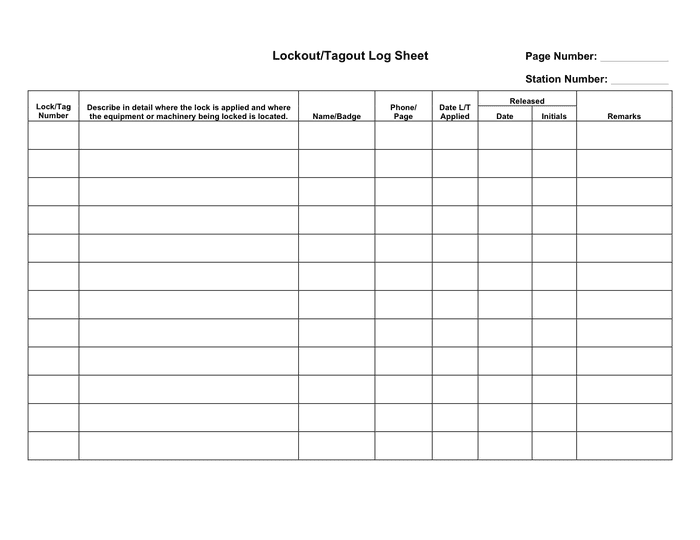
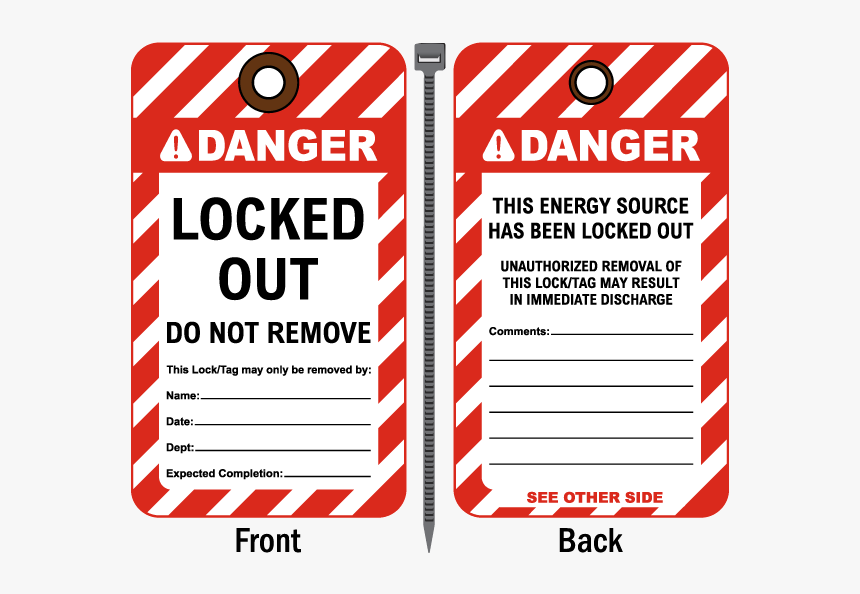
Must-cover items: - Lockout/tagout (LOTO) procedures - Use of voltage testers (and how to verify they’re working) - Avoiding overhead lines with cranes or MEWPs - Working near buried cables—C.A.T. and Genny use
Limitation note: Not all operatives are trained to isolate circuits. Emphasise that only authorised persons should perform electrical work—others must report concerns.
#### 5. PPE: Right Gear, Right Time
While PPE is widely available, misuse remains common. Workers may wear helmets improperly, skip gloves for “quick tasks,” or use damaged equipment.
Discussion points: - Site-specific PPE requirements (e.g., high-vis, steel toe caps, hearing protection) - Care, storage, and replacement schedules - Consequences of non-compliance (disciplinary and safety)
Use case: A joiner in Birmingham lost fingertip sensation after prolonged use of a vibrating tool without anti-vibration gloves. A PPE talk might have highlighted the risk of HAVS (Hand-Arm Vibration Syndrome).
#### 6. Hazardous Substances (COSHH Compliance)
From paints to adhesives to cleaning agents, many substances on site pose inhalation, skin, or fire risks.
COSHH-focused talk should cover: - Reading safety data sheets (SDS) - Proper ventilation when using solvents - Correct use of RPE (respiratory protective equipment) - Spill response and disposal
Common error: Workers using old or unmarked containers. Stress that all substances—even leftover paint—must be labelled and stored correctly.
#### 7. Plant and Vehicle Safety
Collisions between vehicles and pedestrians are a persistent risk. With increasing use of 360-degree diggers and automated machinery, awareness is key.
Key messages: - Banksman signals and communication protocols - Blind spots—use spotters - Separation of pedestrians and vehicles (e.g., designated walkways) - Reversing alarms and camera checks
Real-world insight: A groundworker in Leeds was struck by a reversing dumper truck. The driver didn’t see him due to a blind spot. A vehicle safety talk weeks prior had been skipped due to “time pressure.”
#### 8. Fire Safety and Hot Work
Hot work causes a significant number of construction fires. A single spark can ignite insulation or debris.
Critical areas: - Permit-to-work system for welding or grinding - Fire watch requirements (someone monitoring for 30 mins post-work) - Location of fire extinguishers and assembly points - Flammable material storage
Workflow tip: Conduct this talk before any hot work begins. Confirm fire extinguishers are charged and accessible.
#### 9. Mental Health and Fatigue
Often overlooked, mental wellbeing affects physical safety. Fatigue impairs judgment, increases reaction times, and contributes to errors.

Discussion prompts: - Signs of fatigue (yawning, irritability, poor concentration) - Encouraging rest breaks - Support systems (e.g., SiteCare or external helplines) - Stigma reduction—normalise talking about stress
Why it matters: A study by the Construction Industry Helpline found that 70% of construction workers experience mental health issues. Addressing this in toolbox talks saves lives indirectly.
#### 10. Near Miss Reporting and Safety Culture
Many serious incidents follow unreported near misses. Workers often don’t report because they fear blame or don’t think it’s “serious enough.”
Talk objectives: - Explain how to report a near miss (paper form, app, verbal) - Reinforce no-blame culture - Share anonymised examples from other sites - Emphasise that early reporting prevents future injuries
Pro tip: Share a recent near miss from your own site—even a minor one—to model accountability.
How to Deliver an Effective Toolbox Talk in the UK
A great topic fails if delivered poorly. Follow these best practices:
1. Keep it short and visual Limit to 10 minutes. Use photos, props (e.g., damaged gloves), or short videos to illustrate points.
2. Engage, don’t lecture Ask open questions: “What would you do if you saw a frayed cable?” or “Has anyone here had a close call with a dumper?”
3. Rotate topics monthly Use a rolling 12-month plan to ensure coverage of all key risks.
4. Document properly Record attendance, topic, and discussion points. This proves due diligence during HSE inspections.
5. Adapt to your team For multilingual crews, use visual aids or bilingual supervisors. Avoid jargon—say “safety harness” not “fall protection system.”
Common Mistakes to Avoid
Even experienced supervisors slip into bad habits. Watch for:
- Repeating the same talk every week – Workers switch off.
- Reading from a script without interaction – No engagement means lower retention.
- Holding talks in noisy or distracting areas – Move to a quiet zone.
- Skipping talks during tight deadlines – This signals that safety is optional.
- Failing to act on feedback – If workers raise concerns, follow up—or trust erodes.
Making Toolbox Talks Part of Your Safety Culture
The best sites don’t see toolbox talks as a compliance chore—they treat them as a daily safety huddle. Some leading contractors now: - Assign junior staff to lead talks to build ownership - Use digital platforms to track topics and attendance - Link talk themes to monthly safety KPIs
One site in Glasgow reduced incidents by 40% over six months simply by improving talk quality and consistency—not by introducing new technology.
The message is clear: human connection, not automation, drives safety results.
Final Thoughts: Turn Conversations into Protection
Toolbox talk topics in the UK must reflect real risks, real people, and real conditions. The most effective ones aren’t pulled from a generic PDF—they’re rooted in what’s happening on site today.
Whether it’s a sudden cold snap increasing slip risks or a new crane arriving on site, use the toolbox talk to address it immediately. Make it specific, make it interactive, and make it count.
Your next talk could prevent an injury. Make sure it’s worth listening to.
FAQ
What should you look for in Essential Toolbox Talk Topics for UK Workplaces? Focus on relevance, practical value, and how well the solution matches real user intent.
Is Essential Toolbox Talk Topics for UK Workplaces suitable for beginners? That depends on the workflow, but a clear step-by-step approach usually makes it easier to start.
How do you compare options around Essential Toolbox Talk Topics for UK Workplaces? Compare features, trust signals, limitations, pricing, and ease of implementation.
What mistakes should you avoid? Avoid generic choices, weak validation, and decisions based only on marketing claims.
What is the next best step? Shortlist the most relevant options, validate them quickly, and refine from real-world results.