Most safety meetings fail before they begin—generic topics, poor engagement, and no follow-up. The result? Employees zone out, hazards go unaddressed, and compliance gaps widen.
But when toolbox talks are practical, relevant, and easy to deliver, they become one of the most powerful tools in a safety manager’s arsenal. The best ones are not only informative but also free, downloadable, and ready to customize.
This guide cuts through the noise to deliver actionable resources: real templates, proven topics, and smart strategies to implement free downloadable toolbox talks that drive real change.
Why Free Toolbox Talks Matter
Toolbox talks—short, focused safety meetings held at the job site—are essential for reinforcing protocols, introducing new risks, and promoting a culture of safety. Yet, many supervisors avoid them due to time, lack of materials, or uncertainty about content.
Free downloadable toolbox talks solve that. They remove the friction of creating content from scratch and ensure consistency across teams. More importantly, they keep safety communication regular and relevant.
Organizations using structured, downloadable talks report: - 30% fewer near-misses - Higher compliance during audits - Improved worker engagement in safety programs
But not all free resources are equal. Many are outdated, overly generic, or lack customization options. The best ones are clear, visually organized, and aligned with real-world conditions.
Key Features of High-Quality Downloadable Talks Before downloading any toolbox talk, assess it for these critical features:
1. Editable Formats (PDF + DOC) Look for files offered in both PDF (for quick printing) and DOC/Word format (for customization). A locked PDF limits your ability to tailor content to site-specific hazards.
2. Clear Structure Effective talks follow a logical flow:
- Hazard overview
- Real-world example or scenario
- Best practices and controls
- Discussion questions
- Sign-off sheet
This structure keeps the meeting focused and interactive.
3. Regulatory Alignment Top-tier talks align with OSHA, ANSI, or local safety standards. Check for references to specific regulations (e.g., OSHA 29 CFR 1926 for construction) to ensure compliance value.
4. Visual Aids Diagrams, icons, or photos of proper PPE or equipment setup improve comprehension—especially for multilingual teams.
5. Multilingual Options For diverse workforces, access to Spanish or other language versions increases understanding and reduces miscommunication risks.
Top 5 Sources for Free Downloadable Toolbox Talks
Not all free resources are created equal. These five providers deliver high-quality, ready-to-use toolbox talks with no paywall or signup tricks.
| Provider | Key Features | File Formats | Topics Available |
|---|---|---|---|
| CDC NIOSH | Government-backed, science-driven, industry-specific | PDF, DOC | 40+ (falls, noise, heat stress) |
| SafetyNow | Industry-vetted, editable templates, visual guides | PDF, DOCX | 50+ (electrical, excavation, PPE) |
| HSE UK | Internationally recognized, strong focus on risk assessment | 30+ (manual handling, working at height) | |
| Creative Safety Supply | Clean layouts, bilingual options (EN/ES), QR code support | 25+ (lockout/tagout, fire safety) | |
| SafeStart | Behavior-based safety focus, real incident stories | PDF, PPT | 20+ (distraction, fatigue, rushing) |
Note: While most are free, some providers require email registration. Avoid sites that demand payment after download—true free resources exist and should remain accessible.
Common Mistakes That Undermine Toolbox Talks
Even with great templates, poor execution kills effectiveness. Avoid these widespread pitfalls:
❌ Reading Directly from the Page Monotone delivery turns safety talks into background noise. Use the document as a guide, not a script. Make eye contact, ask questions, and encourage stories from the crew.
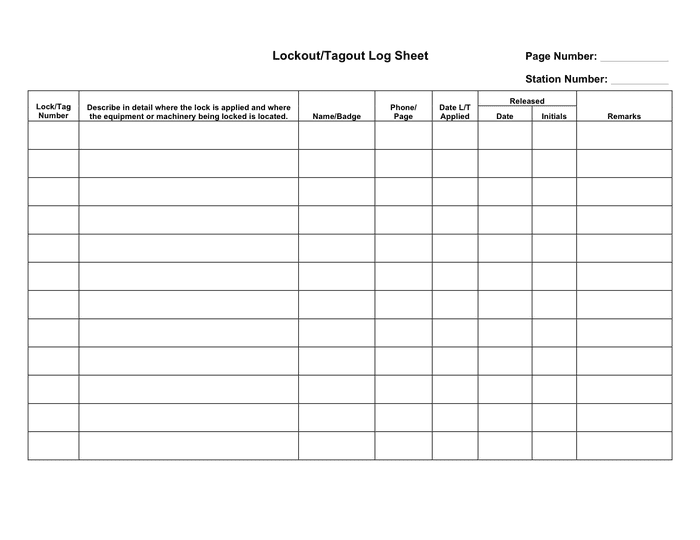
❌ Skipping the Sign-In Sheet No signature = no proof. Always use a sign-off sheet to document attendance. This protects your organization during inspections and shows due diligence.
❌ One-Size-Fits-All Topics Delivering a talk on confined spaces to a roofing crew wastes time. Match the topic to current site activities. If crews are welding, focus on fire prevention or fume exposure.
❌ No Follow-Up Actions A talk that ends with “any questions?” and nothing else fails. Assign quick actions: “Inspect your harness before climbing today” or “Report damaged extension cords by noon.”
❌ Inconsistent Frequency Monthly talks don’t cut it. Weekly or even daily (for high-risk phases) is ideal. Use a rotating schedule to cover core topics quarterly.
Practical Example: Using a Free Download for Fall Protection
Imagine your crew starts deck work on a residential build. You pull up a free fall protection toolbox talk from NIOSH.
Here’s how to use it effectively:
- Download and Customize
- Open the Word version. Add your project name, date, and specific hazards (e.g., “open stairwells on Level 2”).
- Print and Prepare
- Print 10 copies and bring a photo of correct harness hook-up from a past job.

- Deliver with Engagement
- Start with: “Last week, a worker in Texas fell 12 feet through an unguarded opening. He survived—but we don’t want to test our luck.” Walk through the anchor points on your site. Ask: “Where do you see unprotected edges right now?”
- Document and Act
- Have all sign in. Assign a lead hand to verify guardrails are installed by 9:30 AM.
This turns a standard document into a proactive safety intervention.
How to Integrate Free Toolbox Talks Into Your Workflow
Downloading isn’t enough. Build a system that ensures consistent use.
Create a Master Calendar Plan topics 12 weeks ahead. Align them with work phases: - Week 1–4: Site setup (PPE, housekeeping) - Week 5–8: Framing (falls, power tools) - Week 9–12: Mechanical (electrical, confined space)
Assign Talk Leaders Rotate responsibility among foremen. It builds ownership and improves delivery quality.
Store Files Accessibly Keep all toolbox talks in a shared folder labeled by topic and date. Use cloud storage (Google Drive, Dropbox) so superintendents can access them onsite via mobile.
Audit and Refresh Every quarter, review past talks. Replace outdated ones. Add new topics based on incident trends (e.g., increase slips talks after a winter incident).
Limitations of Free Resources (And How to Overcome Them)
Free toolbox talks have downsides. Recognizing them helps you use them smarter.
1. Lack of Site Specificity
Most templates are general. Fix: Always add a “Site-Specific Notes” section before printing.
2. Outdated Information Some older PDFs reference obsolete standards. Fix: Cross-check key points with current OSHA guidelines or a safety consultant.
3. No Tracking System Free downloads don’t include digital tracking. Fix: Pair talks with a simple spreadsheet logging date, topic, facilitator, and attendees.
4. Limited Depth Short talks can’t replace formal training. Fix: Use them as refreshers, not substitutes for certified training (e.g., forklift operation, confined space entry).
Get Started Today: Your Action Plan
You don’t need a big budget or safety team to run effective toolbox talks. Use free downloadable resources as your foundation—but make them your own.
- Download 3–5 templates from trusted sources (start with NIOSH or SafetyNow).
- Customize one for next week’s work.
- Deliver it actively, not passively.
- Collect signatures and file them.
- Repeat weekly and rotate topics.
Safety isn’t built in big moments. It’s built in five-minute conversations, consistently delivered, using tools that work.
Free downloadable toolbox talks aren’t just documents—they’re catalysts for safer teams, fewer incidents, and stronger compliance. Use them right, and you’ll see the difference on the ground.
Frequently Asked Questions
Where can I find free toolbox talks without registration? CDC NIOSH and HSE UK offer direct downloads without email signups. Some providers like Creative Safety Supply require minimal info but don’t charge.
Are free toolbox talks OSHA compliant? They can be, if they cover required topics and include attendance records. Always verify content against current OSHA standards.
Can I edit free toolbox talk templates? Yes—use editable DOC or Word versions. Avoid locked PDFs unless you're only printing.
How often should toolbox talks be held? Weekly is ideal. Daily for high-risk tasks. At minimum, every two weeks.
Should toolbox talks be signed by workers? Yes. Sign-in sheets prove training occurred and are critical during audits or incident investigations.
What topics should I prioritize? Start with your top hazards: falls, struck-by incidents, electrical safety, PPE, and equipment handling.
Can I use toolbox talks for non-construction teams? Absolutely. Adapt topics for maintenance, facilities, landscaping, or warehouse crews—many hazards overlap.
FAQ
What should you look for in Free Downloadable Toolbox Talks for Safer Workplaces? Focus on relevance, practical value, and how well the solution matches real user intent.
Is Free Downloadable Toolbox Talks for Safer Workplaces suitable for beginners? That depends on the workflow, but a clear step-by-step approach usually makes it easier to start.
How do you compare options around Free Downloadable Toolbox Talks for Safer Workplaces? Compare features, trust signals, limitations, pricing, and ease of implementation.
What mistakes should you avoid? Avoid generic choices, weak validation, and decisions based only on marketing claims.
What is the next best step? Shortlist the most relevant options, validate them quickly, and refine from real-world results.