Safety doesn’t happen by accident—and neither should safety conversations. Yet in high-pressure environments like construction sites, manufacturing plants, and utility operations, important safety discussions are often rushed, skipped, or delivered without structure. One of the most effective tools to prevent this? Toolbox talks—short, focused safety meetings that address specific hazards, procedures, or behaviors.
The challenge? Creating meaningful, compliant, and engaging talks takes time—time most supervisors don’t have. That’s where free downloadable toolbox talks come in. These ready-to-use templates help teams stay compliant, informed, and protected without reinventing the wheel every week.
Here’s how to find, use, and maximize the value of free downloadable toolbox talks—without sacrificing quality or regulatory alignment.
Why Free Downloadable Toolbox Talks Matter
Toolbox talks are more than just routine check-ins. When done right, they reinforce safety culture, reduce incident rates, and promote accountability. But developing fresh, accurate content every week is unrealistic for most safety managers.
Free downloadable toolbox talks solve this by offering pre-written, professionally reviewed content on common and critical safety topics. They’re designed to be printed, projected, or shared digitally—ready for immediate use with minimal customization.
For example, instead of scrambling to explain fall protection for a new elevated work project, a supervisor can pull a ready-made talk on harness inspection, anchor points, and edge awareness—complete with discussion prompts and a sign-in sheet.
These resources aren’t just convenient—they’re strategic. OSHA and other regulatory bodies expect documented safety training. Using standardized, downloadable talks ensures consistency and creates an audit trail.
Where to Find High-Quality Free Toolbox Talks
Not all free resources are created equal. Some templates are vague, outdated, or lack regulatory alignment. To ensure value, seek downloads from trusted sources that prioritize accuracy and usability.
Here are five reliable platforms offering free, downloadable toolbox talks:
| Source | Key Features | Download Format | Best For |
|---|---|---|---|
| OSHA.gov | Official topics, regulatory alignment | PDF, plain text | Compliance-focused teams |
| NIOSH (CDC) | Science-backed, health-focused topics | PDF, printable handouts | Industrial hygiene, long-term risks |
| SafetyCulture (iAuditor) | Modern templates, digital-friendly | PDF, editable formats | Tech-enabled teams |
| Construction Safety Council | Industry-specific, construction-heavy | PDF, bilingual options | Contractors and subs |
| HSE UK (hse.gov.uk) | Internationally recognized standards | PDF, topic bundles | Global or multi-region operations |
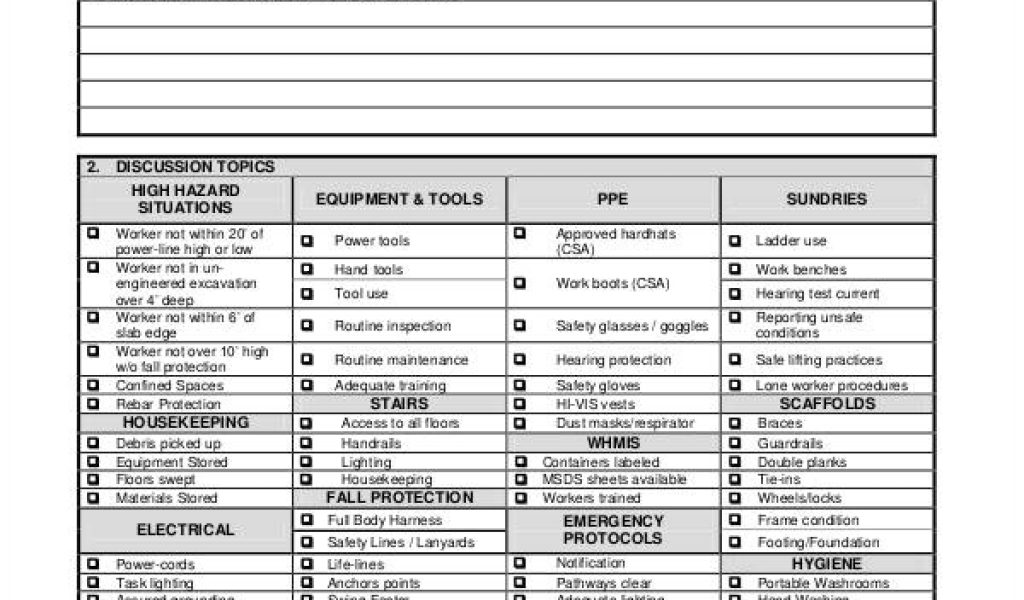
Look for downloads that include: - A clear objective - Key discussion points - Real-world scenarios - Space for attendee signatures - References to relevant regulations (e.g., OSHA 1926)
Avoid generic PDFs with no attribution or date. Outdated content—like outdated PPE standards—can create compliance risks.
How to Use Downloadable Talks Effectively
Having a library of free talks is only half the battle. The real value comes from how they’re delivered.
Don’t just read—facilitate. A common mistake is treating the talk like a memo. Instead, use it as a conversation starter. For example, a toolbox talk on electrical safety might include a prompt: “Has anyone seen unsafe cord usage onsite this week?” This turns passive listening into active engagement.
Customize before delivery. Even the best templates need context. Add your site-specific risks: “This talk on confined spaces applies to the pump vaults we’re working on this week—remember, permit-required entry only.”
Keep it short and focused. Ideal length: 10–15 minutes. Topics should be narrow: “Ladder Stability on Uneven Ground” works better than “General Fall Protection.”
Document everything. Most free downloads include sign-in sheets. File them with your safety records. Digital tools like SafetyCulture or GoCanvas let you store and track attendance automatically.
Common Mistakes That Undermine Effectiveness
Even with great content, poor execution weakens impact. Watch out for these pitfalls:
- Repetition without variation: Using the same fall protection talk every month without updating examples. Workers tune out.
- One-size-fits-all delivery: Reading the same talk to office staff and crane operators. Tailor delivery to the audience.
- Skipping follow-up: No plan to verify understanding or correct unsafe behaviors observed during the talk.
- Ignoring feedback: Workers may raise valid concerns during discussion—failing to act erodes trust.
Fix this by rotating topics based on current projects, near misses, or seasonal risks (e.g., heat stress in summer). Use a 12-week calendar to plan talks in advance.
Top 5 Downloadable Toolbox Talk Topics You Need
Not all topics are equally critical. Prioritize downloads that address high-risk or frequently cited hazards.
- Fall Protection (Leading Edge Work)
- Covers harness checks, anchor points, and common misconceptions. Use when working at heights above 6 feet.
- Hand Safety & Pinch Points
- Focuses on gloves, machine guarding, and behavioral awareness. Ideal for manufacturing and equipment operation.
- Hazard Communication (GHS & SDS)
- Explains label elements and chemical handling. Required by OSHA and often poorly understood.
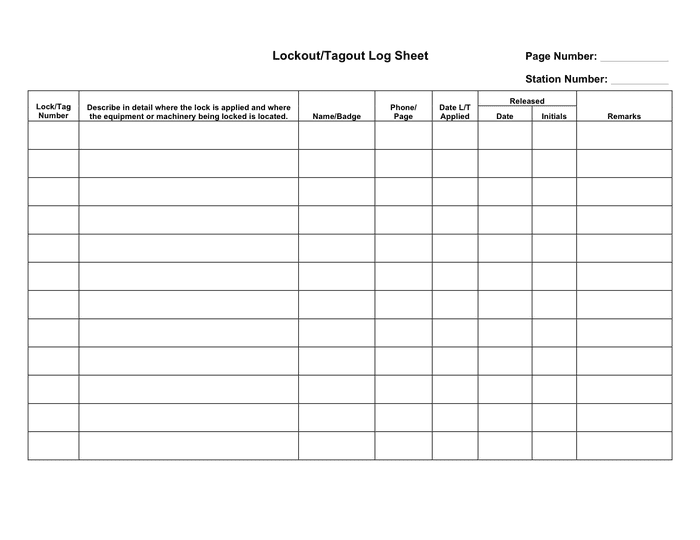
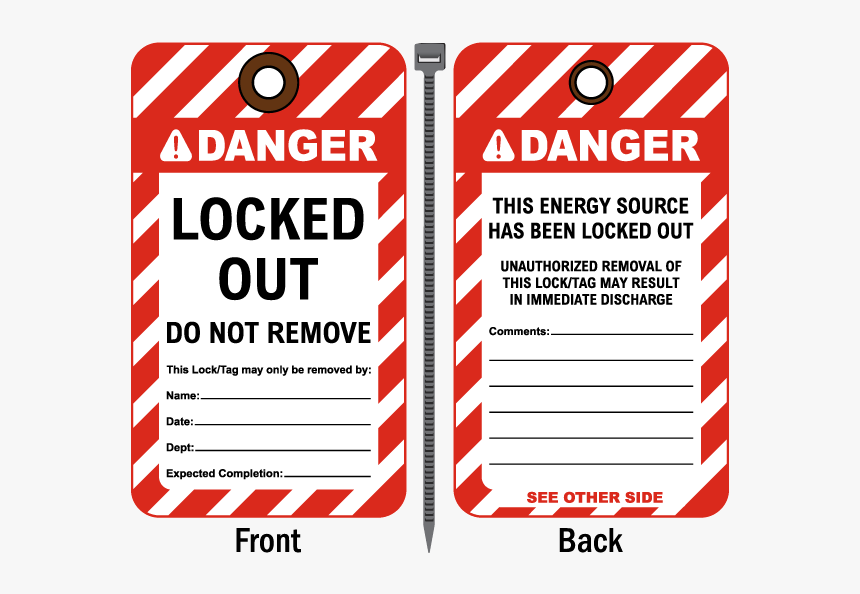
- Lockout/Tagout (Energy Control)
- Details procedures for servicing machinery. Critical for maintenance crews.
- Slips, Trips, and Falls (General Work Areas)
- Addresses housekeeping, lighting, and flooring hazards. Relevant for nearly every worksite.
Each of these topics has abundant free downloads available—but ensure they include visual aids or diagrams. A talk on LOTO is far more effective with a labeled diagram of a lockout station.
Are Free Toolbox Talks OSHA-Compliant?
Yes—if used correctly. OSHA doesn’t require specific formats, but it does require that safety training be: - Relevant to the job - Delivered by a competent person - Documented
Free downloadable talks meet these criteria when: - The content matches your worksite hazards - The supervisor leads the discussion and verifies understanding - Attendance and topics are recorded
However, OSHA does not endorse any third-party template. So while the content may align with 1926 or 1910 standards, the responsibility for applicability remains with the employer.
For example, a free talk on respirators must be paired with your site’s respiratory protection program, fit testing records, and medical evaluations to be fully compliant.
Maximizing Long-Term Value
Downloadable talks shouldn’t be one-offs. Build a system:
- Create a master library. Organize PDFs by category (e.g., electrical, PPE, excavation).
- Schedule in advance. Plan topics based on project timelines and seasonal risks.
- Archive records. Store signed sheets or digital logs for at least one year.
- Rotate and refresh. Revisit key topics quarterly with updated examples.
Some teams use free downloads as a base, then edit them into branded templates. This maintains consistency while adding company-specific procedures.
Closing: Start Smart, Stay Consistent
Free downloadable toolbox talks are more than a shortcut—they’re a force multiplier for safety leadership. When sourced wisely and delivered with intention, they turn routine meetings into moments of real impact.
Don’t wait for an incident to start. Download a talk today, customize it for your team, and run your next safety meeting with confidence. The best safety cultures aren’t built on grand gestures—they’re built on consistent, practical conversations.
Frequently Asked Questions
Where can I get free toolbox talks in PDF format? Reputable sources include OSHA.gov, SafetyCulture, and the Construction Safety Council—all offer free PDF downloads.
Can I edit downloadable toolbox talks? Yes. Most free templates are meant to be customized. Add site-specific details, company name, and relevant procedures.
Are toolbox talks required by OSHA? Not explicitly, but OSHA requires safety training for hazards, and toolbox talks are a recognized method of compliance.
How often should toolbox talks be held? Weekly is ideal, especially in high-risk industries. At minimum, conduct them before starting new tasks or after incidents.
Do toolbox talks need to be signed? Yes. Attendance records prove training occurred. Most free downloads include a sign-in section.
Can I use toolbox talks for new employee orientation? Yes. They’re effective for onboarding, especially when covering site-specific rules and high-risk procedures.
Are there bilingual toolbox talks available for free? Yes. The Construction Safety Council and some state OSHA programs offer talks in Spanish and English.
FAQ
What should you look for in Free Downloadable Toolbox Talks for Workplace Safety? Focus on relevance, practical value, and how well the solution matches real user intent.
Is Free Downloadable Toolbox Talks for Workplace Safety suitable for beginners? That depends on the workflow, but a clear step-by-step approach usually makes it easier to start.
How do you compare options around Free Downloadable Toolbox Talks for Workplace Safety? Compare features, trust signals, limitations, pricing, and ease of implementation.
What mistakes should you avoid? Avoid generic choices, weak validation, and decisions based only on marketing claims.
What is the next best step? Shortlist the most relevant options, validate them quickly, and refine from real-world results.