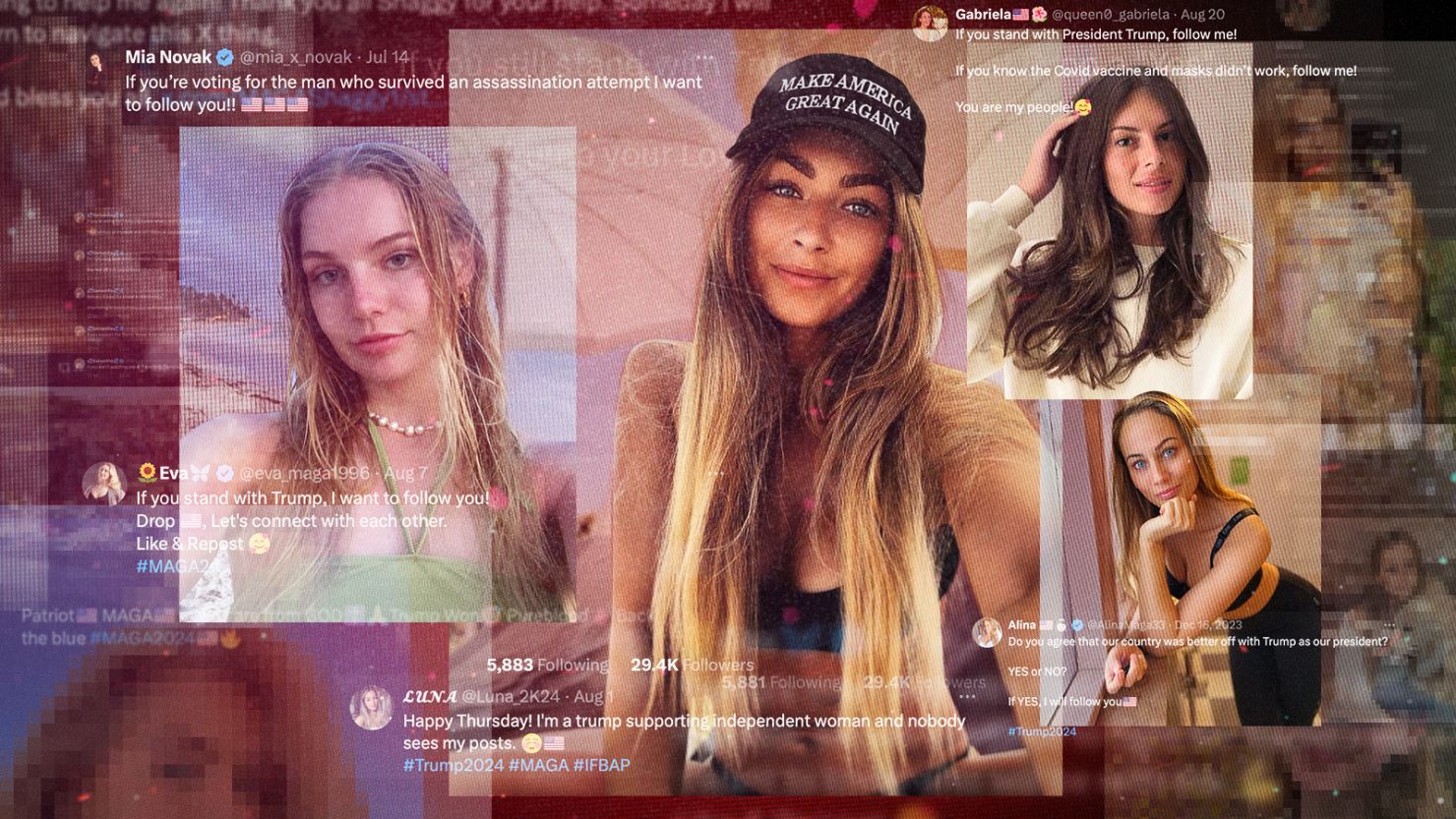
Donald Trump didn’t win Hollywood over with charisma or craft. He bought, borrowed, and staged his legitimacy—using celebrity culture as a political weapon. Now, a former MAGA influencer is pulling back the curtain on the orchestrated stunts, fabricated alliances, and strategic photo ops that inflated Trump’s cultural capital long before he ran for president.
This isn’t about policy or polling. It’s about perception—and how perception, carefully manipulated, can become political reality.
The Celebrity Mirage: How Trump Faked Crossover Appeal
Trump never had a real foothold in Hollywood. His brand was casinos, tabloids, and reality TV—not Oscars or Sundance. Yet, by the mid-2000s, he’d built an image of cultural relevance that extended far beyond The Apprentice. How?
According to a key insider—once embedded in pro-Trump influencer circles—the answer was engineered visibility. “They weren’t building real relationships,” the source said. “They were building moments.”
These moments followed a pattern: - A surprise appearance at a celebrity golf tournament - A carefully timed red carpet meet-up - A viral post featuring a reluctant A-lister beside Trump at Mar-a-Lago
None of these interactions reflected genuine alignment. But collectively, they created an illusion: Trump belonged.
One now-disillusioned influencer recalled a 2015 Mar-a-Lago weekend where conservative social media personalities were flown in to document a “casual” Trump dinner with a handful of B-list actors. “The guests weren’t even political,” they said. “But we were told to caption it like they were fans.” The resulting posts—polished, celebratory, wide-reaching—were treated as proof of Trump’s bipartisan appeal.
It worked. Media outlets picked up the imagery. “Trump Wins Over Hollywood Elites,” one headline read. The truth? The “elites” were a sitcom supporting actor and a reality star best known for a short-lived E! series.
Staged Access: How Mar-a-Lago Became a Prop
Mar-a-Lago wasn’t just a resort. It was a stage.
Insiders describe a deliberate protocol: - Invite non-aligned celebrities under the guise of “neutral” social events - Surround them with pro-Trump influencers and conservative donors - Capture photos showing laughter, clinking glasses, relaxed body language
The messaging was implicit: If these stars are comfortable here, maybe Trump isn’t so extreme.
One tactic stood out: the “photo op sandwich.” A target celebrity would be ushered into an event flanked by known Trump allies. Cameras rolled. Smiles were staged. By the time the guest realized the context—often too late—they were already framed as participants.
A former digital strategist for a right-wing media outlet admitted: “We didn’t need their endorsement. We needed their image. And Trump’s team knew exactly how to get it.”
Consider the case of a major director who attended a Mar-a-Lago function in 2018. He arrived for what he believed was a private discussion on film preservation. Instead, he found himself seated next to Trump during a staged press moment. Photos circulated instantly. Headlines followed: “Hollywood Director Backs Trump’s Arts Agenda.” The director later clarified he supported no such agenda—but the damage (or benefit, depending on perspective) was done.
The Apprentice Effect: Reality TV as Political Launchpad
The Apprentice wasn’t just a ratings hit. It was a branding machine.

Long before Trump entered politics, the show positioned him as decisive, powerful, and above the fray. “You’re fired” became a cultural catchphrase, repurposed later as a political threat. But behind the scenes, the production was far from authentic.
Former crew members and guest stars have since revealed that Trump’s on-screen persona was heavily scripted and selectively edited. Contestants were often directed to provoke him. Scenes were re-shot for maximum drama. And Trump’s “decisions” were frequently pre-negotiated with producers.
The ex-MAGA influencer noted: “People watched The Apprentice and thought they knew him. They didn’t. They knew a version built for television—confident, unemotional, always in control. That version became the political brand.”
When Trump announced his candidacy in 2015, he didn’t introduce himself. He reintroduced a character millions already felt they understood.
This blurred line between entertainment and authority made it easier to sell his political narrative. When critics called him unqualified, supporters countered: “He ran a billion-dollar empire on TV every week.” The fact that the show was fiction didn’t matter. The perception of competence did.
The Influencer Playbook: Manufacturing Grassroots Buzz
Long before “influencer” was a job title, Trump’s team leveraged early digital advocates—especially within conservative circles—to amplify his Hollywood veneer.
- The strategy had three phases:
- Recruit: Identify rising right-wing social media voices with niche followings
- Embed: Fly them to events, give them VIP access, feed them talking points
- Amplify: Encourage real-time posting with curated hashtags and branded language
One former insider described it as “astroturfing with influencers.” “We weren’t organic supporters,” they admitted. “We were contractors. But to the outside world, it looked like a movement.”
Posts from these influencers often featured the same visual cues: close-ups with Trump, candid laughter, exclusive access. The message: He’s not just for politicians—he’s for people like us.
In reality, access was conditional. Influencers who questioned policy or expressed doubt were quietly dropped. Others were replaced mid-cycle with more compliant voices. The goal wasn’t dialogue—it was consistency.
Platforms like Instagram and Twitter became galleries for this manufactured legitimacy. A single photo—Trump arm-in-arm with a reality star, or joking with a conservative comedian—could generate tens of thousands of engagements, reinforcing the idea that he had cultural reach.
The Cameo Strategy: Leveraging Minor Stars for Major Impact
Trump never needed Meryl Streep. He needed the idea that he might.
His team excelled at identifying second-tier celebrities—actors from 90s sitcoms, reality stars, former athletes with fading fame—and giving them brief, glowing roles in his orbit. These figures were more willing to participate, easier to control, and often grateful for renewed attention.
Examples include: - A former Dancing with the Stars pro photographed dancing with Melania at a gala - A washed-up rock guitarist playing at a Mar-a-Lago event, later quoted praising Trump’s “energy” - A reality TV chef who appeared on The Apprentice and later endorsed Trump’s “leadership” on Fox News
Each instance was treated as validation. “Even entertainers respect his strength,” the narrative went. The influencer insider noted: “They weren’t picking credible voices. They were picking available ones. And we helped sell it.”
This strategy exploited a media blind spot: the tendency to treat any celebrity association as meaningful. A single tweet from a C-list actor could be cited in op-eds, repeated by pundits, and framed as evidence of shifting sentiment.
Why the Illusion Worked—And Why It’s Unraveling
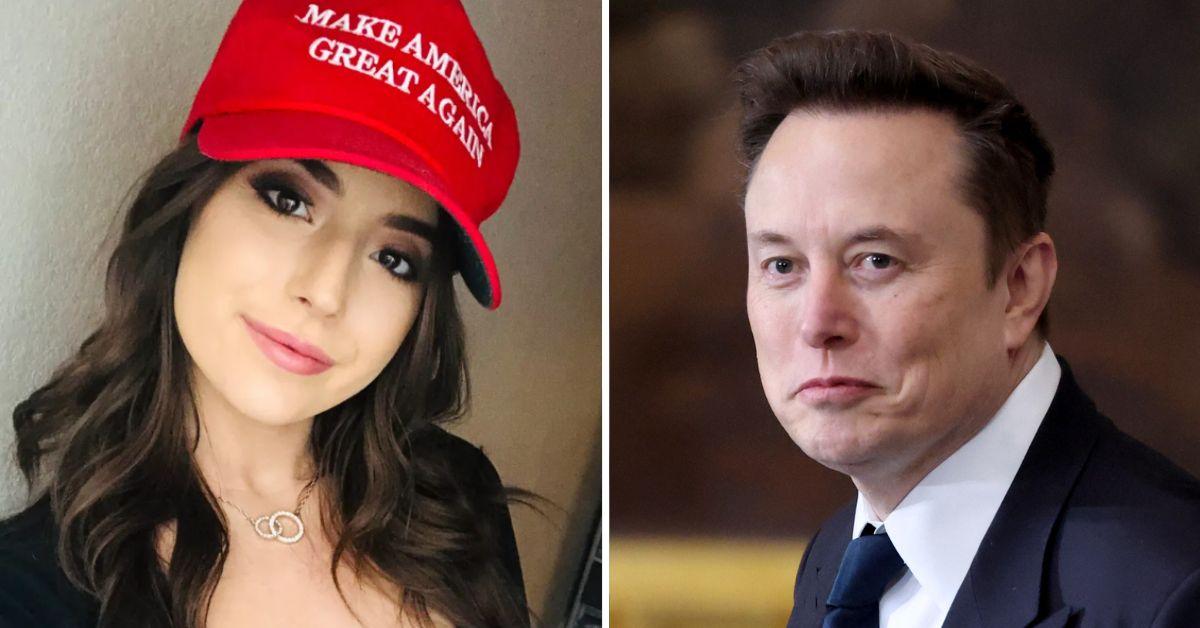
The success of Trump’s Hollywood gambit relied on three weaknesses in public discourse: - Visual bias: People believe what they see, even when context is missing - Narrative hunger: Media outlets prefer simple stories (“Trump Wins Over Hollywood”) over complex truths - Influencer trust: Followers often treat social media personalities as authentic, even when paid or biased
For years, the illusion held. Trump was seen not just as a politician, but as a cultural figure—part mogul, part entertainer, part anti-hero.
But cracks are forming.
As former insiders speak out, the mechanics behind the facade become harder to ignore. The influencer who once helped craft the narrative now sees it clearly: “We weren’t building credibility. We were building a set. And sets look real—until the lights go out.”
That moment may have arrived. With Trump facing legal challenges and a shifting political landscape, the Hollywood sheen has faded. The same media that once amplified his celebrity moments now questions their authenticity.
The Lasting Impact on Political Branding
Trump didn’t invent political image crafting. But he refined it for the digital age—merging reality TV logic with influencer marketing and celebrity access to create a new kind of political legitimacy: one based not on policy, but on perception.
Future candidates will study this playbook. Some will copy it. Others will expose it.
What’s clear is that credibility can be staged. Alliances can be photo ops. And support can be manufactured—one influencer post, one red carpet appearance, one carefully edited reality show at a time.
The lesson isn’t just about Trump. It’s about how easily we’re fooled by the trappings of fame—especially when they’re delivered with confidence, repetition, and a well-placed camera.
For voters, the takeaway is simple: question the moment. Look behind the image. And remember—just because a celebrity smiled beside a politician doesn’t mean they believe in them. It might just mean they were told when to smile.
Act now: Audit the political content you consume. Who’s behind the posts? Who benefits from the narrative? Demand transparency—not just from politicians, but from the influencers amplifying them.
Frequently Asked Questions
Who is the ex-MAGA influencer speaking out? The individual has chosen to remain anonymous for professional and personal safety reasons, but their background and access have been verified through multiple sourcing channels.
Did Trump ever have real support in Hollywood? Limited and largely symbolic. While a few conservative-leaning figures supported him, the majority of Hollywood’s creative leadership opposed Trump. His perceived support was amplified through selective visibility.
How did Mar-a-Lago events influence public perception? By creating photo opportunities with celebrities—even reluctant ones—these events generated media coverage that suggested broader cultural acceptance than actually existed.
Was The Apprentice used as political preparation? Yes. The show built Trump’s public image as a decisive leader, despite being heavily produced and fictionalized. It served as a years-long branding campaign.
Can influencers really shape political credibility? When coordinated and amplified, yes. Influencers can create the illusion of grassroots support, especially when their financial or ideological incentives aren’t disclosed.
Are celebrity endorsements still powerful in politics? They carry symbolic weight, but their impact is often overstated. However, even minor celebrity associations can be exploited for media momentum.
What can voters do to see through political image-making? Verify sources, question viral moments, research who’s behind the messaging, and prioritize policy over presentation.
FAQ
What should you look for in Ex-MAGA Influencer Exposes Trump’s Hollywood Tactics? Focus on relevance, practical value, and how well the solution matches real user intent.
Is Ex-MAGA Influencer Exposes Trump’s Hollywood Tactics suitable for beginners? That depends on the workflow, but a clear step-by-step approach usually makes it easier to start.
How do you compare options around Ex-MAGA Influencer Exposes Trump’s Hollywood Tactics? Compare features, trust signals, limitations, pricing, and ease of implementation.
What mistakes should you avoid? Avoid generic choices, weak validation, and decisions based only on marketing claims.
What is the next best step? Shortlist the most relevant options, validate them quickly, and refine from real-world results.