Most workplace safety failures don’t stem from a lack of equipment or procedures — they stem from inconsistent communication. That’s where toolbox talks fix the gap. These short, focused safety discussions aren’t just compliance checkboxes. When done right, they shift safety culture, surface hidden risks, and reinforce best practices in real time.
Yet many teams still treat them as afterthoughts — rushed, recycled, or irrelevant. The difference between a forgettable five-minute pep talk and a high-impact safety intervention? A well-structured, relevant list of toolbox talks aligned with actual job risks, team behavior, and environmental conditions.
This guide cuts through the noise. Below is a proven list of toolbox talks that address real-world hazards, with clear examples, delivery tips, and common pitfalls to avoid. Use it to build a dynamic safety rhythm — not just a meeting schedule.
What Makes a Toolbox Talk Actually Work?
A good toolbox talk isn’t measured by how quickly it’s over. It’s measured by how much it changes behavior the next time someone reaches for a ladder or powers up equipment.
Effective talks share four traits: - Specificity: Focused on one hazard, task, or behavior - Relevance: Tied to current work, environment, or season - Interactivity: Encourages team input, not just passive listening - Actionability: Ends with clear do’s and don’ts
For example, a talk titled “Working at Height” is too broad. But “Securing Ladders on Soft Ground” forces discussion about real conditions your crew faces Tuesday morning on a landscaping job. That’s the level of detail that sticks.
Avoid the temptation to reuse the same 10 slides every month. Rotate topics based on incident trends, new equipment, weather changes, or near-misses reported that week.
Core Toolbox Talk Topics Every Team Should Cover
These foundational topics apply across industries — from construction to utilities to warehouse operations. Use them as anchors in your monthly safety cycle.
1. Personal Protective Equipment (PPE) Use and Inspection PPE fails when it’s outdated, misused, or inconsistently enforced. A strong talk covers: - How to inspect gloves, helmets, and harnesses for wear - Situations where standard PPE isn’t enough (e.g., chemical exposure) - The “why” behind each item — not just “you have to wear it”
Real-world mistake: A worker wears cut-resistant gloves but fails to replace them after noticing a tear. The talk should emphasize daily inspection and chain of responsibility for replacements.

2. Hazard Identification and Reporting Teach teams to spot risks before they escalate. Focus on: - The “near miss” mindset — why unreported incidents matter - How to document and escalate concerns (paper, app, verbal chain) - Examples of overlooked hazards: frayed cords, blocked exits, poor labeling
Include a 5-minute walkthrough exercise: ask crew members to name one hazard they’ve seen in the past week and how it was resolved.
3. Working at Heights Falls remain a top cause of serious injury. Talks should go beyond “use a harness.” Drill into: - Proper anchor point selection - Ladder angle and base stabilization - Weather impacts (wind, rain, ice)
Pro tip: Bring in a damaged safety line or broken carabiner. Let the team examine it and discuss how it could’ve failed in use.
4. Electrical Safety Around Equipment
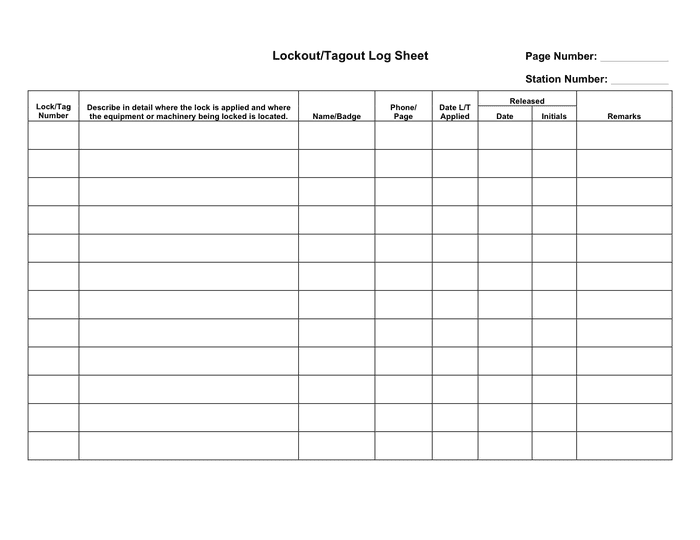
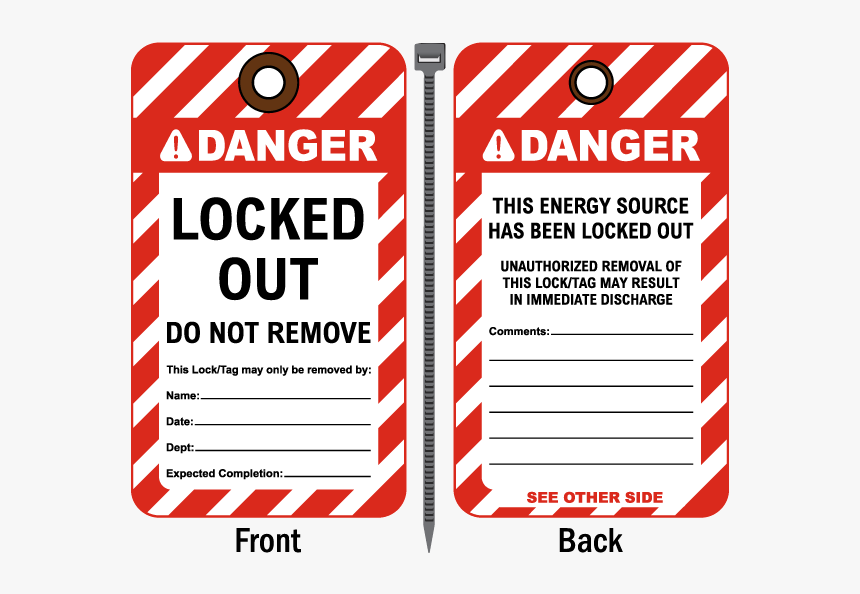
Many electrical incidents happen during routine maintenance or setup. Cover: - Lockout-tagout (LOTO) basics - Identifying damaged cords and improper grounding - Safe distances from overhead lines
Use a real incident report (anonymous) to discuss how one overlooked step led to a shock risk.
5. Manual Handling and Ergonomics Repetitive strain and lifting injuries are silent but costly. Focus on: - Proper lifting mechanics (bend knees, keep back straight) - Team lifting coordination - Use of mechanical aids (dollies, hoists)
Demonstrate poor vs. correct posture. Ask team members to share jobs where they feel strain — then brainstorm quick fixes.
Industry-Specific Toolbox Talk Additions
General topics lay the foundation. But your highest-risk areas demand targeted attention. Customize your list based on operations.
For Construction Crews: - Scaffolding safety checks - Trenching and excavation hazards - Hot work and fire prevention - Crane and rigging signals
Realistic scenario: Before a welding job, run a 10-minute talk on fire watch roles, extinguisher access, and combustible materials nearby.
For Manufacturing & Warehousing: - Machine guarding and emergency stops - Forklift pedestrian safety - Noise exposure and hearing protection - Confined space entry protocols
Common mistake: Workers disable safety guards to “speed up” a task. Use a talk to reframe safety systems as productivity protectors — not obstacles.
For Utility and Field Service Teams: - Underground utility location (call before you dig) - Working near traffic or live roads - Weather-related hazards (heat stress, lightning) - Communication protocols in remote areas
Workflow tip: Pair weather forecasts with morning talks. A heat advisory? Discuss hydration, rest breaks, and signs of heat exhaustion.
How to Run a Toolbox Talk That Gets Results
Even the best topic falls flat without delivery. Follow this structure to keep engagement high and knowledge retention stronger.
1. Set the Scene (1 min) Start with context: “We’ve had two close calls with ladders this month. Let’s talk about how to secure them properly.”
2. Describe the Hazard (2 min) Explain what can go wrong — use real examples when possible.
3. Demonstrate or Visualize (2 min) Show correct vs. incorrect practices. Use photos, equipment, or role-play.
4. Invite Input (3 min) Ask: “Have you seen this issue before? How did you handle it?” Peer stories are powerful.
5. Close with Actions (1 min) End with 1–2 clear takeaways: “From today, every ladder must be tied at the top and base before use.”
Document attendance and topic — not for bureaucracy, but to track coverage and spot gaps.
Common Mistakes That Undermine Toolbox Talks
Even experienced safety leads slip into patterns that reduce impact. Avoid these pitfalls:
- Reading from a script: Feels robotic. Use bullet points, not full paragraphs.
- Same person every time: Rotate facilitators to boost engagement and develop leadership.
- Ignoring feedback: If workers suggest new topics, act on them.
- Scheduling at the worst time: Avoid right before shift end or during high-stress periods.
- No follow-up: Did behavior change? Check in after 48 hours.
One company reduced back injuries by 40% in six months — not because they added more talks, but because they started auditing whether the discussed practices were actually being applied on-site.
5 Ready-to-Use Toolbox Talk Templates
Save time with these plug-and-play topics. Adapt the details to your site, crew, and risks.
| Topic | Key Discussion Points | Duration |
|---|---|---|
| Slips, Trips, and Falls | Housekeeping, mat use, footwear, lighting | 8–10 min |
| Emergency Response | Evacuation routes, assembly points, alert methods | 7 min |
| Tool Inspection | Damaged cords, sharp edges, missing guards | 6–8 min |
| Chemical Safety | SDS access, PPE, spill response | 10 min |
| Communication on Site | Hand signals, radio use, language barriers | 6 min |
Print these as one-pagers or load them into a safety app. The goal is consistency — not reinventing the wheel every week.
Closing: Build a Living Safety Conversation
A list of toolbox talks isn’t a static document. It’s a living tool that evolves with your team, projects, and risk landscape. Revisit it monthly. Remove outdated topics. Add new hazards as they emerge.
Prioritize quality over frequency. One meaningful talk per week beats five rushed ones. And always — always — tie the conversation back to real work, real people, and real consequences.
Start next week with a talk on something small but critical: proper glove use during grinding work. Watch how that focus spreads. Safety isn’t built in grand gestures. It’s built in moments like these — one toolbox talk at a time.
Frequently Asked Questions
What is the ideal length for a toolbox talk? Aim for 5 to 10 minutes. Long enough to cover one topic in depth, short enough to hold attention before a shift starts.
How often should toolbox talks be held? Weekly is ideal for high-risk environments. Monthly may suffice for lower-risk offices or administrative teams.
Who should lead a toolbox talk? Supervisors often lead, but rotating among team members increases engagement and uncovers frontline insights.
Do toolbox talks need to be documented? Yes. Keep records of date, topic, attendees, and facilitator for compliance and tracking. Use simple sign-in sheets or digital logs.
Can toolbox talks be done remotely? Yes, for field teams or hybrid crews. Use video calls or messaging platforms to deliver key points — but keep them interactive.
Should toolbox talks include quizzes or tests? Not usually. They’re meant to be conversational. Instead, ask open-ended questions to check understanding.
Are toolbox talks required by OSHA? Not explicitly, but OSHA requires employers to provide safety training. Toolbox talks are a widely accepted method of meeting that obligation.
FAQ
What should you look for in Essential Toolbox Talks for Safer Workplaces Every Team Needs? Focus on relevance, practical value, and how well the solution matches real user intent.
Is Essential Toolbox Talks for Safer Workplaces Every Team Needs suitable for beginners? That depends on the workflow, but a clear step-by-step approach usually makes it easier to start.
How do you compare options around Essential Toolbox Talks for Safer Workplaces Every Team Needs? Compare features, trust signals, limitations, pricing, and ease of implementation.
What mistakes should you avoid? Avoid generic choices, weak validation, and decisions based only on marketing claims.
What is the next best step? Shortlist the most relevant options, validate them quickly, and refine from real-world results.