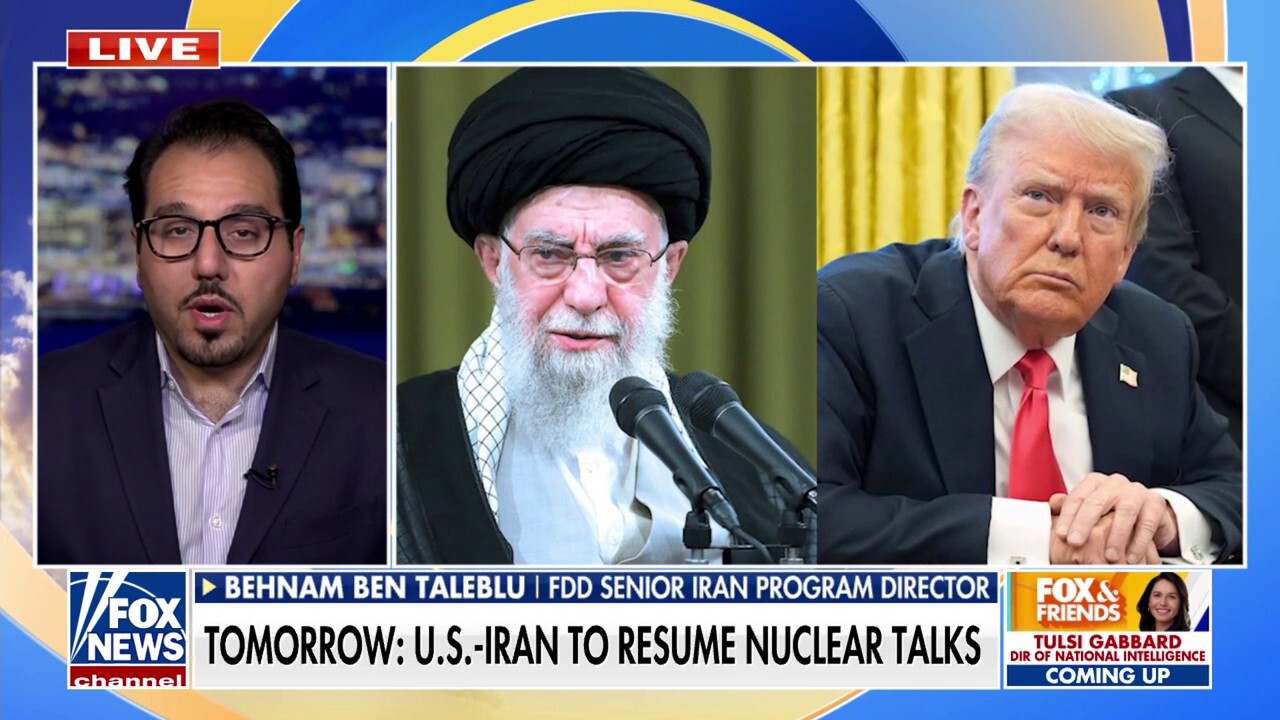
Iran is moving fast—and quietly—across multiple diplomatic fronts, reaching out to regional rivals, European powers, and non-aligned states in a bid to reposition itself globally. At the same time, Donald Trump continues to project unwavering confidence, insisting the U.S. holds all the cards in any negotiation. This clash of strategies—one emphasizing engagement, the other coercion—has redefined the contours of Middle Eastern geopolitics.
The contrast is stark: Tehran deploys envoys, reopens backchannels, and softens rhetoric, while Washington leans on maximum pressure, sanctions, and military signaling. But beneath the surface, both actions stem from deep vulnerabilities and strategic recalculations.
A Strategic Pivot: Why Iran Is Reaching Out Now
Iran’s flurry of diplomacy isn’t random. It’s a response to sustained economic strain, regional isolation, and internal unrest. Years of U.S. sanctions have crippled oil exports, devalued the rial, and stifled foreign investment. The regime needs breathing room.
But more than survival, Iran is playing a longer game: reducing dependency on adversarial posturing and building diplomatic insurance.
Key moves include: - High-level talks with Saudi Arabia and Oman aimed at normalizing ties - Renewed overtures to European nations on reviving nuclear dialogue - Engagement with India and China on energy and infrastructure partnerships - Backchannel discussions with Iraq and Kuwait to ease regional tensions
These efforts signal a shift from defiance to dialogue—a tactical retreat from confrontation to create space for maneuver.
The Qatar and UAE Openings: Quiet Diplomacy in Action
One of the most telling shifts is Iran’s outreach to Gulf states once openly hostile. In recent months, Iranian officials have held discreet meetings with Qatari leadership, leveraging Doha’s role as a regional mediator. The UAE, historically aligned with Saudi Arabia against Tehran, has also seen increased diplomatic traffic.
While full normalization remains distant, these contacts reduce the risk of miscalculation. After the 2019 tanker attacks and drone strikes on Saudi oil facilities, the Gulf was on edge. Now, both sides recognize that uncontrolled escalation benefits no one.
Iran, in particular, sees economic opportunity. The UAE’s ports, financial networks, and trade routes are too valuable to ignore—even if political distrust lingers.
Trump’s “We Have the Cards” Doctrine: Pressure as Policy
Against this backdrop, Donald Trump’s repeated assertion that “the U.S. has the cards” reflects a worldview rooted in leverage and dominance. His administration’s “maximum pressure” campaign—reimposed after withdrawing from the JCPOA in 2018—was designed to force Iran to the table on Washington’s terms.
That doctrine remains influential, even as Trump campaigns for a return to office.
The core belief: sanctions cripple Iran’s economy, weaken its proxies, and isolate its leadership. With oil exports slashed and inflation soaring, the U.S. assumes Tehran has no choice but to negotiate.
But this assumption overlooks a critical reality—Iran has weathered worse.
The Limits of Economic Coercion
Sanctions have hurt, but they haven’t broken Iran. The regime has adapted through: - Expanding informal trade networks (e.g., “ghost fleets” for oil shipments) - Deepening ties with China and Russia for alternative markets - Bolstering domestic defense and energy sectors - Using proxy networks to project power despite isolation

Moreover, sanctions have unintended consequences. They empower hardliners who frame external pressure as proof of Western hostility, undermining reformists who advocate engagement.
And when diplomacy is seen as surrender, leaders in Tehran resist negotiating under duress—even if the economy suffers.
The Nuclear Question: Stalled Talks, Shifting Calculations
At the heart of the U.S.-Iran standoff is the nuclear program. The 2015 JCPOA, once hailed as a diplomatic breakthrough, now lies in tatters. Efforts to revive it in Vienna have stalled, with both sides blaming the other.
Iran claims it’s ready to return to compliance if sanctions are lifted. The U.S. demands irreversible steps toward denuclearization first.
But timing and trust are missing.
What Iran Wants: Sanctions Relief, Not Regime Change
Iranian officials consistently say their goal isn’t nuclear weapons but recognition of their right to a civilian program—and relief from economic strangulation.
Behind closed doors, many acknowledge that a return to the original JCPOA is unlikely. Instead, they seek a “sustainable agreement” with credible guarantees.
Examples of potential compromises: - Phased sanctions relief tied to verifiable nuclear rollbacks - A regional security framework including Gulf states - Limits on ballistic missile development in exchange for financial access
But such deals require political will—on both sides.
Europe’s Fading Leverage—and China’s Rising Role
European powers, particularly France, Germany, and the UK, once positioned themselves as mediators. They launched INSTEX, a special-purpose vehicle to facilitate trade with Iran, to bypass U.S. sanctions.
In practice, INSTEX has been a disappointment—processing minimal transactions and failing to reassure Tehran.
Meanwhile, China has stepped in. The 2021 25-year cooperation agreement commits Beijing to $400 billion in investments in Iranian energy, infrastructure, and defense. In return, China secures long-term oil supplies and strategic influence.
For Iran, China offers economic lifelines without political preconditions. For the U.S., it’s a geopolitical headache.
Russia’s Calculated Support
Russia, too, benefits from Iran’s isolation. Moscow and Tehran coordinate in Syria, share intelligence, and collaborate on drone and missile technology. While not a formal alliance, their alignment serves mutual interests: countering U.S. influence and sustaining Assad’s regime.
But Russia remains cautious. It doesn’t want a nuclear-armed Iran destabilizing Central Asia or triggering a wider conflict.
Can Diplomacy Outpace Escalation?
The current moment is fragile. Iran’s diplomatic surge suggests openness to de-escalation—but not at any cost. Trump’s insistence that the U.S. “has the cards” may feel reassuring to supporters, but it underestimates Iran’s resilience and the limits of coercion.
History offers cautionary tales. In 2019, a series of incidents—ship seizures, drone shootdowns, and missile strikes—nearly sparked direct conflict. Diplomacy pulled things back.
Today, the risk remains. A tanker incident, a cyberattack, or a proxy clash could spiral.
But there are also opportunities: - A temporary prisoner swap could build minimal trust - Joint maritime security talks in the Gulf could reduce accidents - Quiet diplomacy through Oman or Qatar could reopen formal channels
The key is recognizing that having the cards doesn’t mean you must play them all at once.
What Comes Next: Scenarios for 2025 and Beyond
The path forward isn’t predetermined. Much depends on U.S. elections, Iranian leadership transitions, and regional dynamics.
Three plausible scenarios:

1. Hardline Freeze Trump wins re-election, doubles down on sanctions. Iran matches rhetoric with defiance. Diplomacy stalls. Regional tensions simmer, with sporadic flare-ups through proxies.
2. Negotiated De-escalation A new U.S. administration (Biden or otherwise) signals openness to indirect talks. Iran offers limited nuclear rollbacks. Sanctions on non-oil sectors are eased. A fragile détente emerges.
3. Regional Spillover Crisis A major incident—e.g., attack on U.S. troops in Iraq or Israeli strike on a nuclear site—forces a military response. Diplomacy collapses. Gulf states are drawn in. Conflict spreads.
The first scenario rewards short-term posturing but increases long-term risk. The second offers stability but demands compromise. The third is everyone’s nightmare—but not impossible.
Closing: Strategy Over Slogans
Iran’s diplomatic flurry isn’t a sign of weakness—it’s a calculated effort to break isolation and gain leverage. Trump’s insistence that the U.S. “has the cards” may resonate politically, but in practice, winning requires more than holding strong.
Real strategy means knowing when to apply pressure—and when to negotiate.
For the U.S., that means recognizing that sanctions alone won’t force regime change or surrender. For Iran, it means understanding that diplomacy without concessions leads nowhere.
The way forward isn’t through ultimatums, but through quiet channels, mutual interests, and incremental steps. The cards may be in American hands—for now—but how they’re played will determine whether this standoff ends in crisis or compromise.
Act now: Monitor diplomatic movements through Oman and Qatar, track oil shipment patterns, and assess shifts in Iranian state media tone—these are early indicators of whether engagement is gaining ground over brinkmanship.
FAQ
Why is Iran suddenly pursuing diplomacy more actively? Iran faces severe economic pressure and regional isolation. Diplomacy offers a way to ease sanctions, rebuild trade, and reduce the risk of military conflict.
Does Trump’s “we have the cards” statement reflect current U.S. policy? Yes—this reflects the maximum pressure strategy. However, its effectiveness is debated, as Iran has adapted and sought alternative partners like China.
Can Europe still play a meaningful role in U.S.-Iran talks? Europe’s influence has waned due to limited economic tools and U.S. sanctions, but it remains a potential mediator if political will returns.
Is Iran close to developing a nuclear weapon? Most intelligence assessments suggest Iran is not currently building a bomb but has advanced its enrichment capabilities, shortening its “breakout time.”
How are Gulf states responding to Iran’s outreach? Countries like Oman, Qatar, and even the UAE are cautiously engaging, prioritizing stability and economic interests over ideological rivalry.
What role does China play in Iran’s diplomatic strategy? China is a critical economic and strategic partner, offering investment, trade, and diplomatic cover—without demanding political reforms.
Could prisoner swaps help restart diplomacy? Yes—such gestures build minimal trust and are often used as confidence-building measures in high-tension negotiations.
FAQ
What should you look for in Iran's Diplomatic Surge Meets Trump's Hardline Posture? Focus on relevance, practical value, and how well the solution matches real user intent.
Is Iran's Diplomatic Surge Meets Trump's Hardline Posture suitable for beginners? That depends on the workflow, but a clear step-by-step approach usually makes it easier to start.
How do you compare options around Iran's Diplomatic Surge Meets Trump's Hardline Posture? Compare features, trust signals, limitations, pricing, and ease of implementation.
What mistakes should you avoid? Avoid generic choices, weak validation, and decisions based only on marketing claims.
What is the next best step? Shortlist the most relevant options, validate them quickly, and refine from real-world results.