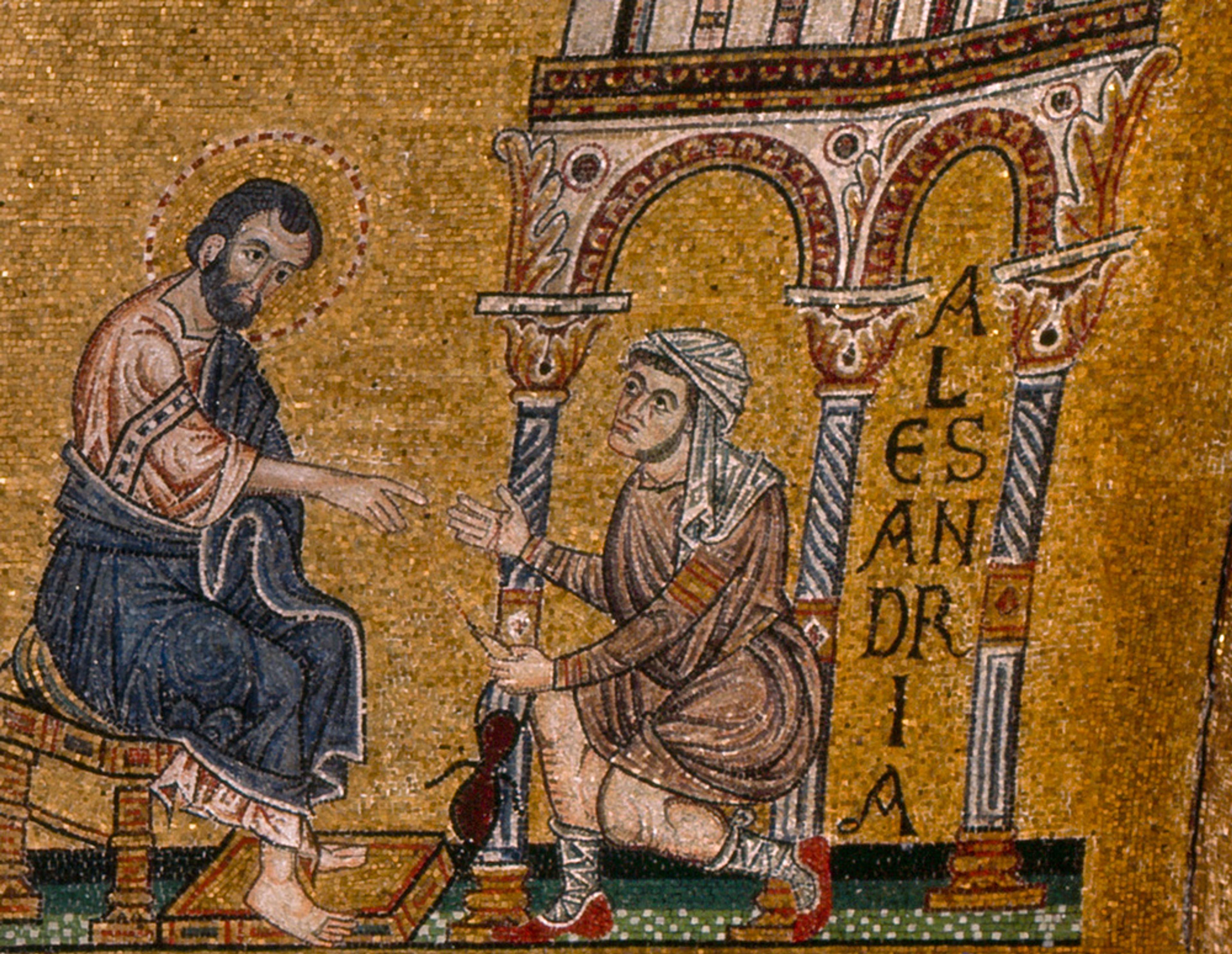
Medieval art didn’t simply show bodies—it reshaped them into instruments of belief, authority, and control. From emaciated saints to regal crucifixions, the human form in this era was rarely naturalistic. Instead, it was recalibrated to serve higher agendas: theological doctrine and political dominance. The body became a contested space—simultaneously a vessel of divine grace and a tool of earthly power.
This wasn’t accidental. In a world where literacy was limited and spiritual salvation was paramount, images did the work of sermons, laws, and propaganda. The way a saint bled, how a king stood, or whether a sinner writhed in hell—all of it carried meaning. The body, in medieval visual culture, was never just flesh. It was theology made visible and politics made permanent.
The Theological Body: Flesh as Divine Language
In Christian theology, the Incarnation—the idea that God became man in Jesus—elevated the human body from mortal shell to sacred vessel. Medieval art seized this idea and ran with it. The body of Christ wasn’t just represented; it was dissected, idealized, and dramatized to teach doctrine.
Consider the Christus Patiens (Suffering Christ) versus the Christus Triumphans (Triumphant Christ). Early medieval crucifixions often showed a serene, unblemished Jesus—eyes open, posture upright—emphasizing his divinity and victory over death. This wasn’t about realism. It was about theology: Christ was not truly defeated.
By the 12th and 13th centuries, this shifted. The Man of Sorrows image emerged—pale, swollen, bearing wounds, often isolated and staring directly at the viewer. This wasn’t just emotional manipulation; it was an invitation to affective piety, a movement urging believers to feel Christ’s pain personally. The body here becomes a mirror: your sins caused this. Your redemption depends on it.
Saints’ bodies followed similar patterns. Take Saint Lawrence, often shown on a grill, smiling as he’s roasted—a depiction not of torture, but of spiritual transcendence. His body doesn't react to pain because his soul has already conquered it. The physical form is secondary to the theological message: true power lies in faith, not flesh.
Political Bodies: Kingship, Power, and Divine Right
While the Church used bodies to teach salvation, rulers used them to assert dominance—often blurring the line between sacred and sovereign. In medieval art, a king’s body wasn’t just human. It was a reflection of divine order.
Coronation imagery is a prime example. In the Coronation of Charlemagne (often depicted in later manuscripts), the emperor receives his crown not from a pope, but from an angel or even Christ himself. This wasn’t historical accuracy—it was political messaging. The king’s body, now crowned, becomes an extension of God’s will on Earth. His authority is not granted by men, but by heaven.
Portraiture reinforced this. Look at the Effigy of King Henry VII in Westminster Abbey. The king lies in eternal repose, hands clasped, wearing full regalia. But notice the details: his face is idealized, smooth, ageless. This isn’t a corpse—it’s a symbol. The body is made eternal to suggest that kingship itself is eternal. Death doesn’t end power; it sanctifies it.
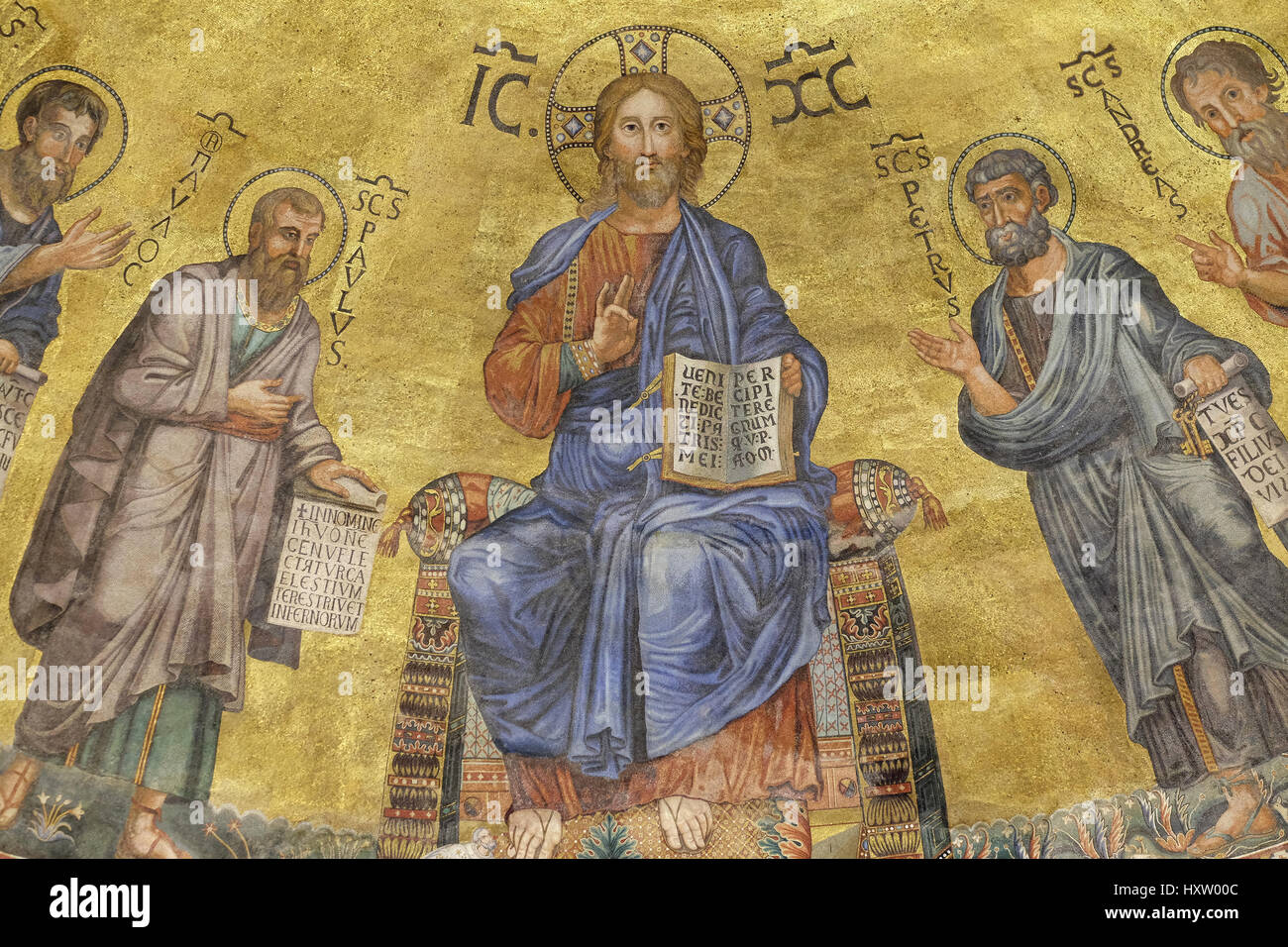
Even in life, rulers were depicted with exaggerated proportions—larger heads, longer limbs—signifying their superior spiritual and political status. The body becomes a site not of individuality, but of office. The king doesn’t just have power; his very form is power.
The Female Body: Sanctity, Sin, and Control
Women’s bodies in medieval art occupy a unique and often contradictory space. They are either hyper-sanctified or dangerously carnal—rarely neutral.
The Virgin Mary is the ultimate example of the sanctified female body. In Byzantine icons, she’s shown in rigid, frontal poses, her body clothed and contained. Her hands are often folded or cradling Christ, but her face is calm, distant. She’s not a mother in the emotional sense—she’s the Theotokos, God-bearer, a pure vessel. Her body is not her own; it’s a temple.
Contrast this with depictions of Eve or Mary Magdalene. Eve is often shown naked, smaller than Adam, sometimes even with animal traits, emphasizing her role in the Fall. Mary Magdalene, though later redeemed, is frequently portrayed as a penitent sinner—long hair covering her naked body, tears streaming, body contorted in grief. Her sanctity is earned through suffering, not granted by birth.
These depictions weren’t just religious—they were social control. They taught women that their bodies were either vessels of purity or sources of sin. There was no middle ground. Art reinforced the Church’s teaching that female flesh needed to be regulated, covered, and redeemed.
Monstrous Bodies: The Other as Warning
Not all bodies in medieval art were human—even when they looked like it. Grotesques, demons, and hybrid creatures populated cathedrals and manuscripts, serving as visual theology.
Gargoyles on Notre-Dame aren’t just decorative. They’re apotropaic—meant to ward off evil. But they also represent the fate of the damned: twisted, bestial, eternally suffering. Their bodies are distorted not because artists lacked skill, but because deformity symbolized moral corruption.
Hell scenes in frescoes—like those in the Last Judgment at Torcello—show bodies being eaten, stretched, inverted. These aren’t random horrors. They reflect the medieval belief in contrapasso: punishment mirrors sin. A greedy man might have snakes crawling from his mouth; a liar might have his tongue torn out. The body becomes a ledger of sin, publicly accounted for.
Even lepers were depicted this way—segregated, often shown with rotting flesh. Their bodies were read as divine punishment, a visible sign of spiritual decay. Art didn’t just reflect fear of disease—it weaponized the body to enforce social and religious norms.
Artistic Techniques That Reinforced Ideology
Medieval artists didn’t work in a vacuum. The materials, styles, and compositions they used were all chosen to amplify theological and political messages.
- Hierarchical Scale: Important figures—Christ, Mary, kings—were drawn larger than others. Size didn’t reflect reality; it reflected status. A tiny donor kneeling at the feet of a giant Virgin Mary sends a clear message: your body is small before divine power.
- Gold Backgrounds: Especially in Byzantine icons, gold didn’t represent a sky or a room. It represented the divine realm—eternal, unchanging, beyond time. Figures stand not in space, but in sacred presence. Their bodies exist outside the physical world.

- Frontality and Rigidity: Many figures face directly forward, eyes locked with the viewer. This creates a sense of confrontation—no escape. You are being seen by the divine. Your body, in turn, must respond.
These weren’t stylistic choices born of limitation. They were tools of ideological control. Every brushstroke, every chisel mark, reinforced the idea that the body served a higher purpose.
The Legacy of the Medieval Body
We don’t crucify people in art anymore, but we still politicize and spiritualize bodies. Think of WWII propaganda posters, civil rights photography, or even modern celebrity culture. The human form still carries meaning far beyond anatomy.
Medieval art reminds us that bodies are never neutral. They are always interpreted through power. Whether it’s a saint bleeding on a cross or a king crowned by angels, the message is the same: what you see is not just a person—it’s a doctrine, a claim, a warning.
Today, we might object to such manipulation. But we also replicate it. Social media, advertising, and political campaigns all turn bodies into symbols. The difference? Medieval artists were honest about it. They didn’t pretend their images were “real.” They knew they were shaping perception—deliberately, powerfully, and with purpose.
Conclusion: See the Body, Read the Message
To study medieval art is to learn a visual language where every limb, wound, and garment tells a story. The body was not a subject—it was a battlefield of meaning.
Next time you see a crucifix, a royal portrait, or even a political cartoon, ask: what is this body doing? Is it suffering? Ruling? Tempting? Saving? The answer will reveal more about the artist’s agenda than about the person depicted.
Don’t just look at the body. Decipher it. That’s where the real power lies.
FAQ
Why were medieval bodies often unrealistic in art? Medieval artists prioritized symbolism over realism. Proportions, poses, and features were altered to convey theological or political messages, not physical accuracy.
How did the crucifixion image change over the Middle Ages? Early depictions showed Christ triumphant and unharmed. Later, especially after the 12th century, images emphasized suffering, wounds, and emotional agony to inspire personal devotion.
What role did the Church play in shaping body imagery? The Church commissioned most art and dictated its themes. Bodies were used to teach doctrine, reinforce hierarchy, and control behavior through visual instruction.
Why were women either saints or sinners in medieval art? Female bodies were framed through the lens of purity or temptation. This dichotomy reinforced patriarchal religious structures and moral teachings about female virtue.
Were all non-human bodies in medieval art evil? Not all—but most were. Demons, monsters, and hybrids symbolized sin, heresy, or divine punishment. Exceptions include symbolic creatures like the lamb (Christ) or dove (Holy Spirit).
How did royal imagery borrow from religious art? Kings were depicted with halos, divine light, or angelic crowning to suggest their rule was God-ordained, merging political authority with sacred legitimacy.
Can we still see medieval body symbolism today? Yes. Political leaders are framed as heroic; activists use their bodies in protest; advertising sexualizes or idealizes forms—all echoing medieval strategies of meaning-making through the body.
FAQ
What should you look for in How Medieval Art Turned the Body into Sacred Power? Focus on relevance, practical value, and how well the solution matches real user intent.
Is How Medieval Art Turned the Body into Sacred Power suitable for beginners? That depends on the workflow, but a clear step-by-step approach usually makes it easier to start.
How do you compare options around How Medieval Art Turned the Body into Sacred Power? Compare features, trust signals, limitations, pricing, and ease of implementation.
What mistakes should you avoid? Avoid generic choices, weak validation, and decisions based only on marketing claims.
What is the next best step? Shortlist the most relevant options, validate them quickly, and refine from real-world results.