In medieval Europe, the human body was never just flesh and bone. It was a vessel of divine truth, a battleground of sin and salvation, and a stage for asserting authority. Artists didn't depict bodies for realism or beauty alone—they weaponized anatomy to preach theology, legitimize rulers, and remind viewers of their place in a divinely ordered hierarchy. From emaciated saints to enthroned kings with halos, the body in medieval art was never neutral. It was a site where spiritual doctrine and political control converged.
This fusion wasn't accidental. In an era when most people were illiterate, visual art became the primary language of belief and power. Every gesture, posture, wound, and garment carried coded messages. To understand medieval art is to decode how bodies were sculpted, painted, and venerated not as individuals, but as symbols.
The Sacred Body: Theology Embodied in Saints and Suffering
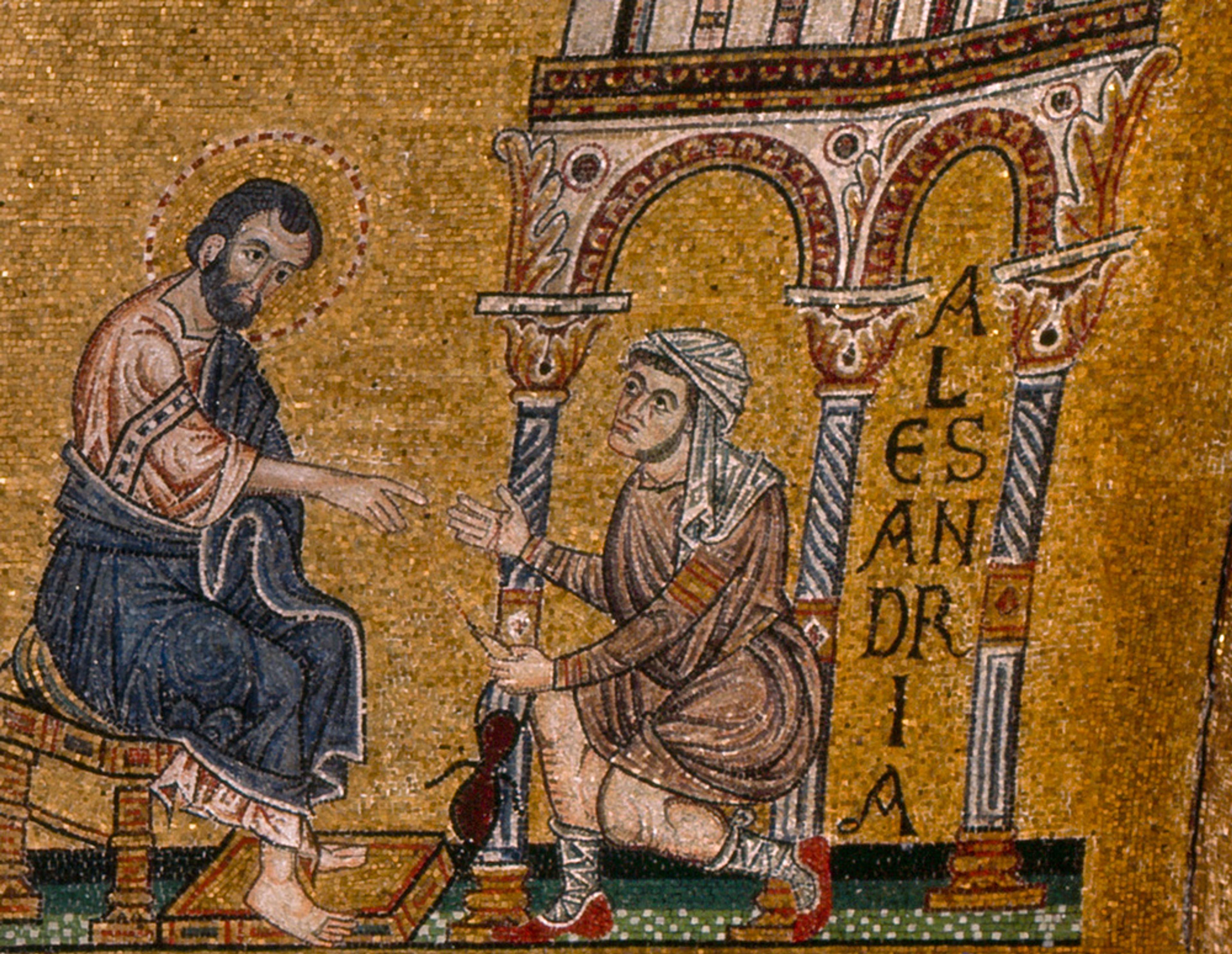
Medieval theology centered on the Incarnation—the idea that God became human in Christ. This belief elevated the physical body from profane matter to sacred medium. Jesus’ body—bleeding, crucified, resurrected—was the ultimate theological statement. Artists amplified this through graphic depictions of the Passion, where every wound served as a sermon.
Take the Man of Sorrows motif, widespread from the 13th century onward. Christ is shown half-naked, eyes open, staring directly at the viewer, wounds on display. This wasn’t just about suffering—it was an invitation to empathetic participation. Viewers were meant to meditate on Christ’s pain, internalize his sacrifice, and confront their own sin.
Saints followed suit. Their bodies became catalogs of endurance. Saint Lawrence is roasted on a gridiron; Saint Agatha has her breasts removed; Saint Sebastian is riddled with arrows. These images weren’t meant to shock for shock’s sake. They visualized the triumph of spirit over flesh, proving that faith could endure earthly torture. The more the body suffered, the more it testified to divine truth.
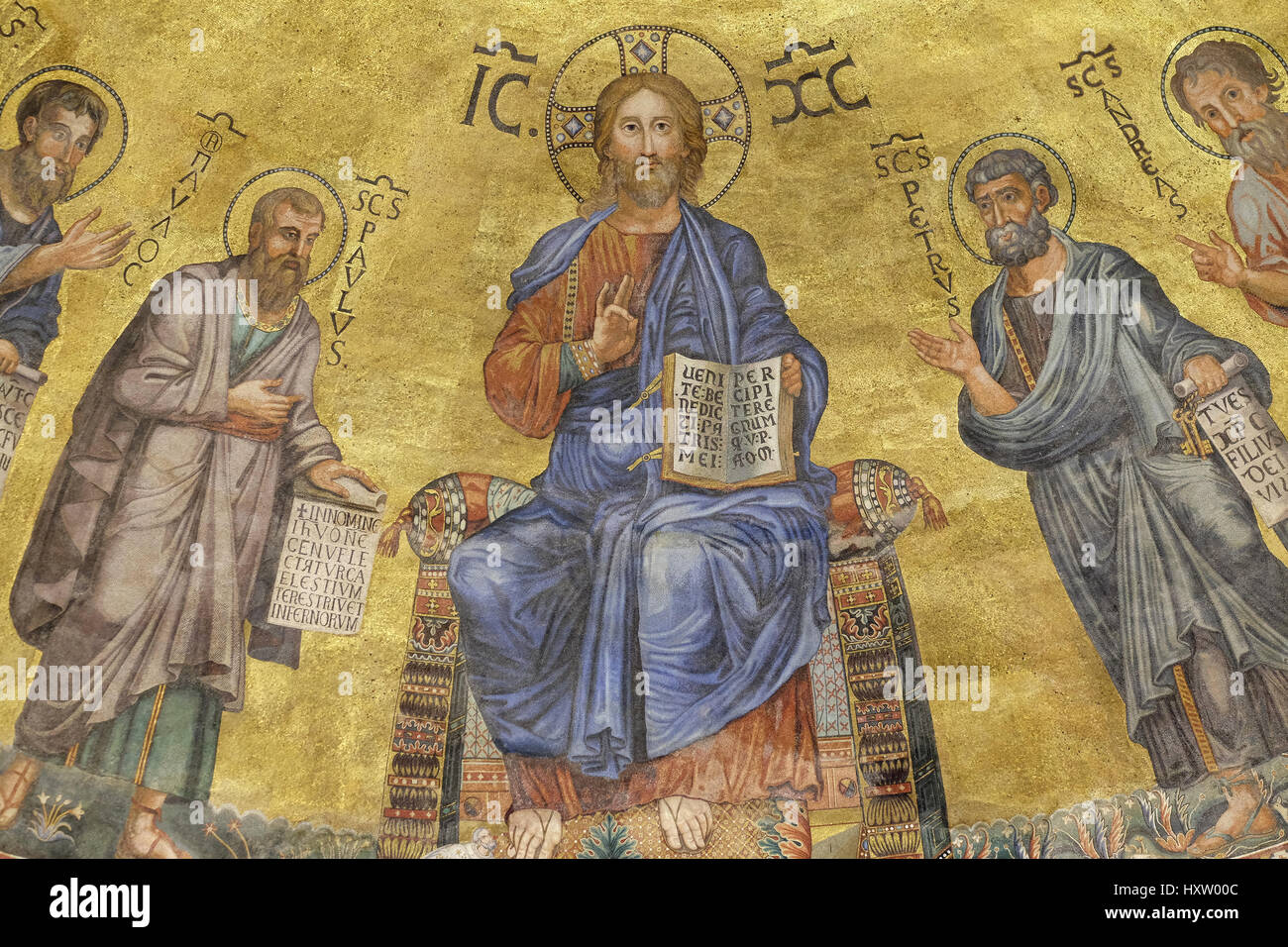
But not all sacred bodies were broken. The Christ in Majesty—enthroned, serene, displaying stigmata—projected divine authority. His body, though human, radiated cosmic order. In Byzantine mosaics, such as those in Ravenna’s Basilica of San Vitale, Christ sits not as a mortal teacher, but as ruler of the universe, his body aligned with celestial geometry.
The Political Body: Rulers, Rituals, and Divine Right
If the sacred body pointed to heaven, the political body claimed power on earth—by divine mandate. Medieval rulers understood that their legitimacy depended on appearing not just powerful, but chosen. Art made this connection explicit.
Emperor Justinian in the San Vitale mosaic doesn’t stand among his court—he’s front and center, flanked by clergy and soldiers. His body is stiff, symmetrical, almost otherworldly. He holds a golden paten, linking his rule to the Eucharist. The message? His authority flows directly from Christ. He is not just a king—he is God’s deputy.
This concept, rex et sacerdos (king and priest), blurred the lines between sacred and secular. Coronation imagery reinforced this. In the Coronation of Charlemagne manuscripts, the act of crowning isn’t just political—it’s liturgical. The king’s body, once anointed, becomes a kind of sacrament.
Even in death, rulers used their bodies to project power. Tombs of kings and bishops often showed two figures: the decaying corpse below (the transi), and the resurrected soul above in royal vestments. This duality reminded viewers that earthly rule was temporary, but divine authority eternal—and the ruler, even in decay, remained tied to that higher order.
Gender, the Flesh, and the Fear of Desire
While male bodies were often idealized as vessels of power or endurance, female bodies in medieval art were more fraught. They were simultaneously symbols of purity and danger.
The Virgin Mary exemplifies the idealized female form—modestly draped, downcast eyes, hands clasped in prayer. Her body is not sexualized; it’s sanctified. As the Theotokos (God-bearer), she carries divine life, yet remains untouched by desire. In Gothic sculptures, her elongated form and serene face make her less a woman, more a conduit of grace.
Contrast this with Eve—often depicted in scenes of the Fall, naked, reaching for the apple. Her body is curved, active, tempting. She embodies luxuria, the deadly sin of lust. In many frescoes, Eve’s body is nearly identical to Mary’s—but her posture and context invert her meaning. One brings salvation, the other brings ruin.
This duality shaped how women were portrayed in religious art. Female saints like Agnes or Cecilia are shown young, pale, and virginal—bodies that reject earthly passion. Their martyrdoms often involve attacks on their sexuality (forced nudity, threats of rape), reinforcing the idea that female holiness required the denial of the flesh.
But even this control could backfire. Mystics like Hildegard of Bingen or Catherine of Siena used visions of their own bodies—wounds, ecstasies, unions with Christ—to claim spiritual authority. In doing so, they turned the very tool of patriarchal control—the body—into a means of empowerment.
The Grotesque and the Marginal: Bodies That Resist Order
Not all bodies in medieval art fit neatly into sacred or royal categories. In the margins of illuminated manuscripts, along cathedral capitals, and in fresco borders, we find bodies that defy control: hybrids, monsters, the disabled, and the absurd.
Gargoyles leer from church roofs. Sheela-na-gigs—crude carvings of women spreading their vulvas—appear on Irish and French churches. Marginal drawings in the Luttrell Psalter show peasants dancing with pigs or defecating openly.
These images are often dismissed as comic relief. But they served deeper functions. They acknowledged the chaos that theology tried to suppress—the unruly, bodily realities of hunger, sex, waste, and decay. By placing them at the edges, artists contained them, but also admitted their existence.
Some scholars argue these grotesques acted as theological correctives. While the nave preached order, the margins whispered: You are flesh. You are flawed. They reminded worshippers that salvation wasn’t about denying the body entirely, but mastering it.
Art as Social Discipline: Shaping Behavior Through Imagery
Medieval art didn’t just reflect belief—it enforced it. Churches were visual classrooms, and the body was their central lesson.
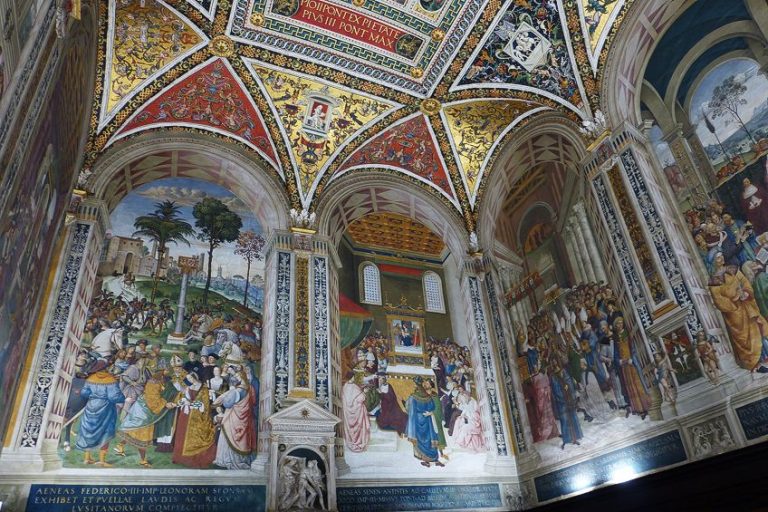
Consider the Last Judgment frescoes that dominated church apses. At the center, Christ judges humanity. To his right, the blessed rise naked but radiant, ascending to heaven. To his left, the damned are dragged screaming into hell, their bodies twisted, bitten, violated. The contrast is stark: purity leads to glory; sin corrupts the flesh.
These images weren’t just warnings—they were tools of social control. They taught peasants that obedience, chastity, and piety would be rewarded with bodily perfection in the afterlife. Dissent, lust, or pride meant eternal bodily torment.
Even everyday religious objects reinforced this. Pilgrimage badges showed saints’ relics or martyrdoms. Wearing them was both devotion and declaration: My body is under sacred protection. Reliquaries, often shaped like arms, heads, or hearts, made the saint’s body present, tangible, and powerful.
The Legacy of the Medieval Body in Modern Imagery
The medieval fusion of body, theology, and politics didn’t vanish with the Renaissance. It evolved.
Modern political leaders still use bodily imagery—photos in military uniforms, staged moments of resilience, carefully managed appearances of vigor. The cult of the leader’s body echoes the medieval king’s sacred stature.
Religious art continues to use the body symbolically. Think of crucifixes in Catholic churches, or images of Mary weeping blood in apparition sites. These aren’t just art—they’re calls to belief, rooted in the same logic as the Man of Sorrows.
Even in secular spaces, the idea that bodies carry meaning persists. Protesters use their bodies to block highways. Athletes bare tattoos with religious symbols. Celebrities’ bodies are scrutinized for moral failings. The body, as medieval art knew, is never just biological—it’s ideological.
Conclusion: Seeing the Body as a Site of Power
Medieval art didn’t depict bodies—it deployed them. Every figure, pose, and wound was a statement about who had authority, who was saved, and what it meant to be human in a world ordered by God and king.
To study this art is to see how belief and power sculpt reality—literally. The body was not just represented; it was rewritten as a text of faith and control.
For modern viewers, the lesson is clear: when you look at a medieval saint, a crowned ruler, or a damned soul, you’re not just seeing art. You’re seeing theology in muscle and bone, politics in posture and gesture. And if we pay attention, we might recognize the same forces at work today—where the body still speaks louder than words.
FAQ
Why were bodies in medieval art so stylized, not realistic? Medieval artists prioritized symbolic meaning over anatomical accuracy. Proportions, poses, and features were altered to convey spiritual truths—like elongated figures for holiness or exaggerated wounds for martyrdom.
How did political rulers use religious art to gain power? Kings and emperors commissioned art that showed them near saints or Christ, implying divine favor. Coronation scenes, donor portraits in churches, and sacred regalia all linked their rule to God’s will.
What’s the difference between the sacred and profane body in medieval art? Sacred bodies (Christ, saints) are controlled, suffering, or glorified—symbols of spiritual triumph. Profane bodies (the damned, sinners, monsters) are chaotic, excessive, or grotesque, representing moral failure.
Were disabled bodies depicted in medieval art? Yes—often as objects of charity or miracle. Healing scenes showed Christ or saints restoring sight, mobility, or speech, reinforcing divine power and the Church’s role as mediator.
Why are there so many naked bodies in Last Judgment scenes? Nudity symbolized vulnerability before God. The resurrected body would be judged in its pure, unadorned state—free from status, wealth, or deception.
Did women have agency in how their bodies were portrayed? Rarely in official art, but female mystics and saints used visions of their bodies (stigmata, ecstasies) to claim spiritual authority, sometimes influencing how they were later depicted.
How did relics turn the body into a political tool? Saints’ remains were housed in churches to attract pilgrims, wealth, and prestige. Possessing a relic proved divine favor and elevated a town or ruler’s status—blending faith and power.
FAQ
What should you look for in How Medieval Art Turned the Body Into Sacred Symbol? Focus on relevance, practical value, and how well the solution matches real user intent.
Is How Medieval Art Turned the Body Into Sacred Symbol suitable for beginners? That depends on the workflow, but a clear step-by-step approach usually makes it easier to start.
How do you compare options around How Medieval Art Turned the Body Into Sacred Symbol? Compare features, trust signals, limitations, pricing, and ease of implementation.
What mistakes should you avoid? Avoid generic choices, weak validation, and decisions based only on marketing claims.
What is the next best step? Shortlist the most relevant options, validate them quickly, and refine from real-world results.