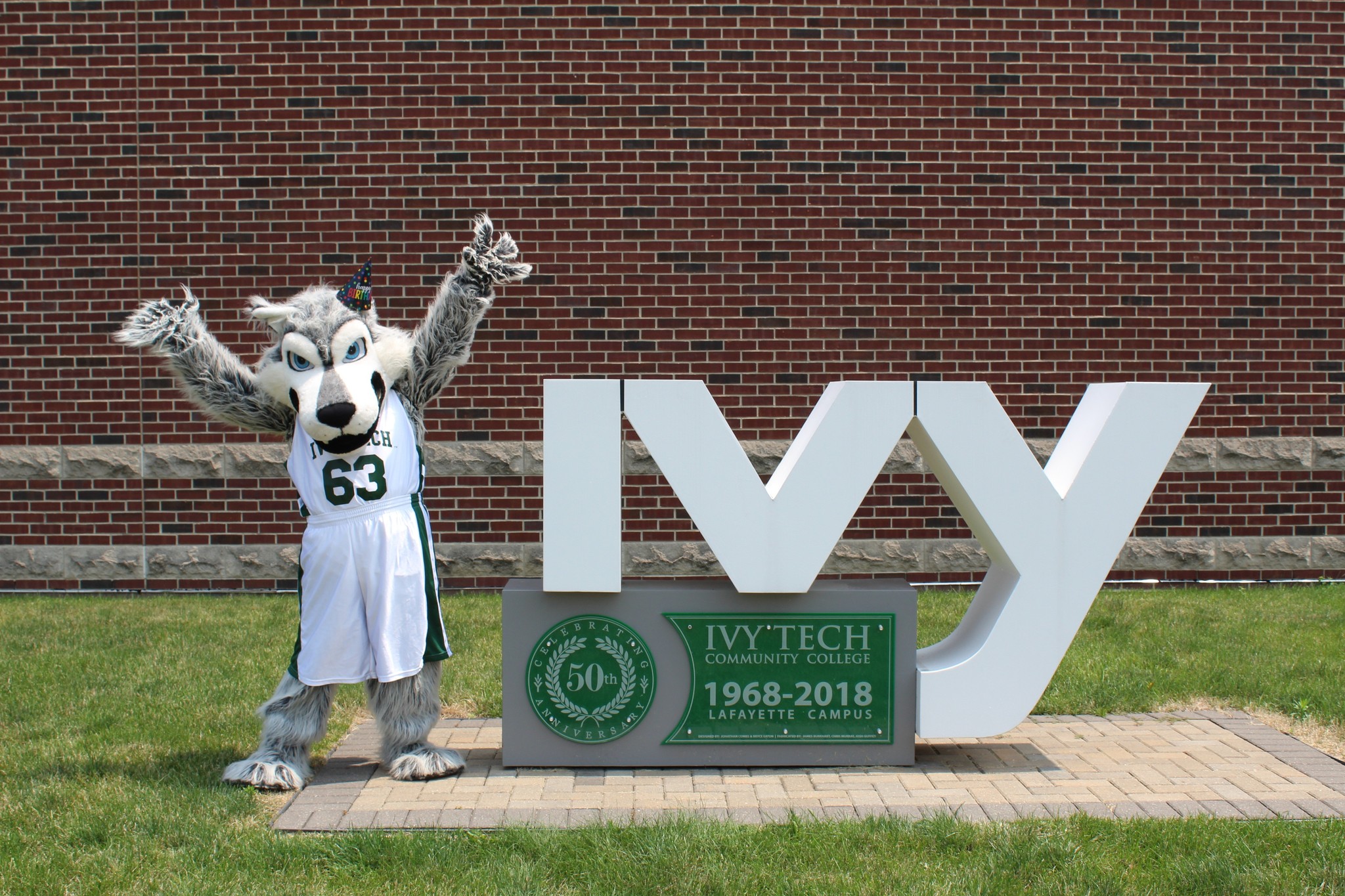
For many in central Indiana, higher education isn’t about prestige—it’s about access, affordability, and relevance. Ivy Tech Community College in Lafayette delivers precisely that: a practical, career-focused path forward without the burden of excessive debt or unrealistic entry barriers. With deep roots in the local community and strong ties to regional employers, it’s not just a college—it’s a launchpad.
Situated in Tippecanoe County, the Lafayette campus serves students from recent high school graduates to adult learners returning to education. Whether you're pursuing an associate degree, a technical certification, or transferring to a four-year university, Ivy Tech Lafayette provides a structured yet flexible environment tailored to real-world success.
Academic Programs Built for Real Careers
At Ivy Tech Lafayette, education is designed with the job market in mind. Programs span high-demand industries, ensuring graduates enter fields where employers are actively hiring.
High-Demand Fields and Degree Options
The academic catalog is organized into career clusters, making it easier for students to align interests with opportunities. Key areas include:
- Health Sciences: Nursing (ADN), Medical Assisting, Pharmacy Technician, and Radiography. These programs often include clinical rotations at local hospitals like IU Health Arnett.
- Advanced Manufacturing & Engineering Technology: Degrees in Automation & Control, CNC Machining, and Welding Technology. Many students land internships with local manufacturers such as Subaru of Indiana Automotive (SIA) or Caterpillar.
- Information Technology: Cybersecurity, Computer Networking, and Software Development. Courses emphasize hands-on labs and industry certifications (e.g., CompTIA, Cisco).
- Business & Public Services: Associate degrees in Accounting, Management, Criminal Justice, and Early Childhood Education.
- General Education Transfer: Designed for students planning to move to Purdue University, Indiana State, or other four-year institutions.
Students often combine classroom learning with employer partnerships through co-ops or apprenticeships—especially in trades and tech fields.
Real-World Example: From Classroom to Career
Take the story of Maria, a single mother from Lafayette who enrolled in the Medical Coding program. In less than 18 months, she completed her diploma, secured an externship at a local clinic, and now works full-time with benefits—earning more than double her previous income. Her experience reflects what Ivy Tech emphasizes: speed, support, and employability.
Campus Life: More Than Just Classes
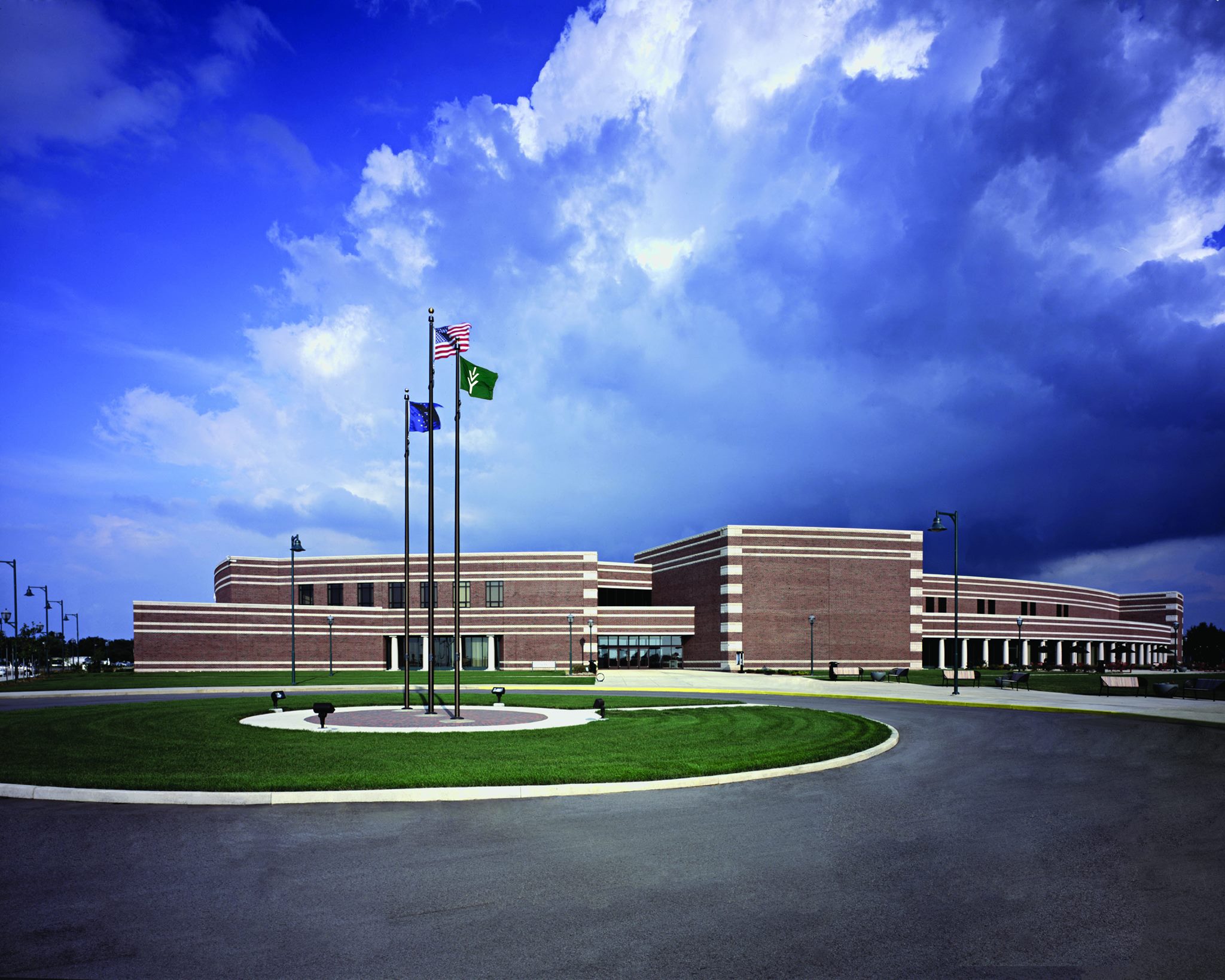
While community colleges are often seen as commuter schools, Ivy Tech Lafayette fosters engagement beyond academics. The campus hosts student clubs, tutoring centers, career workshops, and wellness services—all designed to support persistence and completion.
Support Services That Make a Difference
Many students juggle work, family, and school. Ivy Tech responds with integrated support:
- Academic Advising: Advisors help students choose programs, navigate financial aid, and create degree plans.
- Tutoring & Learning Labs: Free peer tutoring in math, writing, and science is available both in-person and online.
- Child Care Assistance: Through partnerships with local providers, students can access subsidized day care.
- Food Pantry: The campus pantry serves students facing food insecurity—a common but often overlooked barrier.
One common mistake students make? Waiting until they’re struggling to seek help. Proactive use of support systems correlates strongly with graduation rates.
Admissions: Simple, Fast, and Inclusive
Ivy Tech Lafayette welcomes nearly all applicants who meet basic criteria. There are no SAT requirements, and the application is free.
Step-by-Step Enrollment Process
- Apply Online: Submit a free application at ivytech.edu.
- Request Transcripts: Send high school or prior college records.
- Take the Accuplacer (if needed): This placement test determines readiness for college-level math and English. Students can prepare with free online resources.
- Meet with an Advisor: Before registering for classes, students complete an orientation and academic planning session.
- Enroll in Classes: Register online or with advisor assistance.
Adult learners without a high school diploma can enter through the High School Equivalency (HSE) program, which prepares students for the GED® test—all at no cost.
Affordability and Financial Aid
One of Ivy Tech’s strongest advantages is cost. For Indiana residents, tuition averages $107 per credit hour, making a full associate degree cost roughly $6,500 in tuition alone—far below state universities.
Financial Aid Options
- Pell Grants: Federal aid for eligible low-income students—does not need to be repaid.
- Indiana’s Frank O’Bannon Grant: Covers tuition for qualifying Indiana residents pursuing associate degrees.
- Workforce Ready Grant: Covers tuition for high-demand fields like IT, healthcare, and advanced manufacturing—no income cap.
- Scholarships: Ivy Tech Lafayette offers institutional and donor-funded scholarships, including those for single parents and veterans.
Students who complete the FAFSA (Free Application for Federal Student Aid) by the state deadline increase their chances of receiving aid. A frequent oversight? Missing the FAFSA deadline—June 30 before the fall term—costing students thousands in forgone aid.
Online and Hybrid Learning Flexibility

Not all students can attend daytime classes. Ivy Tech Lafayette meets this need with robust online and hybrid options.
Virtual Learning That Works
Over 70% of programs offer online pathways. Whether you're in rural Benton County or working night shifts in West Lafayette, you can access coursework 24/7.
- Asynchronous Courses: Learn on your schedule with recorded lectures and flexible assignments.
- Proctored Exams: Available remotely via online proctoring or at regional testing centers.
- Hybrid Formats: Combine online learning with on-campus labs—common in nursing and tech programs.
Students report higher success rates when they treat online classes like in-person commitments—setting fixed study hours and minimizing distractions.
Career Outcomes and Employer Partnerships
Ivy Tech doesn’t just teach skills—it connects students to jobs. The college maintains strong relationships with regional employers.
Local Industry Collaborations
- Purdue University: Articulation agreements allow seamless transfer to bachelor’s programs in engineering, business, and IT.
- Subaru of Indiana Automotive (SIA): Partners with Ivy Tech for technician training and apprenticeships.
- IU Health and CHI Health: Hire nursing and healthcare graduates directly from clinical placements.
- Small Businesses & Startups: The Small Business Development Center (SBDC) on campus helps entrepreneurs launch ventures, creating new job opportunities.
Graduates in high-demand fields see job placement rates above 80%. Median starting salaries range from $35,000 (IT support) to $60,000 (radiology tech).
Why Choose Ivy Tech Lafayette Over Other Options?
Some students consider four-year universities first. Others contemplate for-profit trade schools. Ivy Tech strikes a balance: public, accredited, affordable, and career-aligned.
| Factor | Ivy Tech Lafayette | For-Profit Trade School | Public University |
|---|---|---|---|
| Tuition (annual) | ~$4,000 | $10,000–$20,000 | $10,000+ |
| Program Length | 1–2 years | 6–18 months | 4+ years |
| Transfer Options | Yes, to Purdue, ISU, others | Rarely | Built-in |
| Job Placement Support | Strong local network | Variable | Moderate |
| Accreditation | Regionally accredited (HLC) | Often national | Regional |
For many, Ivy Tech offers the most strategic path: earn a degree quickly, enter the workforce with minimal debt, and upskill later if needed.
How to Get Started Today
Enrollment happens year-round, with fall, spring, and summer start dates. The strongest move you can make is to take action—no matter how small.
- Start here:
- Visit ivytech.edu/lafayette for campus-specific details.
- Attend a virtual info session or campus tour.
- Submit your free application.
- Complete the FAFSA—use school code 007169.
- Meet with an advisor to build your plan.
Whether you’re changing careers at 45 or starting college at 18, Ivy Tech Lafayette meets you where you are—and helps you get where you want to go.
Frequently Asked Questions
What programs are most popular at Ivy Tech Lafayette? Nursing, Advanced Manufacturing, IT, and Business Administration are among the top-enrolled programs due to strong job placement and employer demand.
Can I transfer from Ivy Tech Lafayette to Purdue? Yes—articulation agreements guarantee credit transfer for many associate degrees into Purdue’s bachelor’s programs, especially in engineering and technology.
Is housing available on campus? No, Ivy Tech Lafayette is a commuter campus. However, off-campus housing resources and roommate matching tools are available through student services.
Are there evening and weekend classes? Yes, many programs offer evening, weekend, and hybrid schedules to accommodate working adults.
How long does it take to complete a degree? Most associate degrees take two years full-time. Fast-track diplomas (e.g., Medical Coding, Welding) can be completed in 12–18 months.
Does Ivy Tech Lafayette offer job placement help? Yes—the Career Services team provides resume reviews, interview prep, job fairs, and direct employer connections.
Can I take classes online from outside Indiana? Yes, but out-of-state students should confirm eligibility for online programs due to varying regulations. In-state tuition applies only to Indiana residents.
FAQ
What should you look for in Ivy Tech Community College Lafayette Indiana Guide? Focus on relevance, practical value, and how well the solution matches real user intent.
Is Ivy Tech Community College Lafayette Indiana Guide suitable for beginners? That depends on the workflow, but a clear step-by-step approach usually makes it easier to start.
How do you compare options around Ivy Tech Community College Lafayette Indiana Guide? Compare features, trust signals, limitations, pricing, and ease of implementation.
What mistakes should you avoid? Avoid generic choices, weak validation, and decisions based only on marketing claims.
What is the next best step? Shortlist the most relevant options, validate them quickly, and refine from real-world results.